
Roofing Machines: Types, Uses, Benefits, and Buying Guide
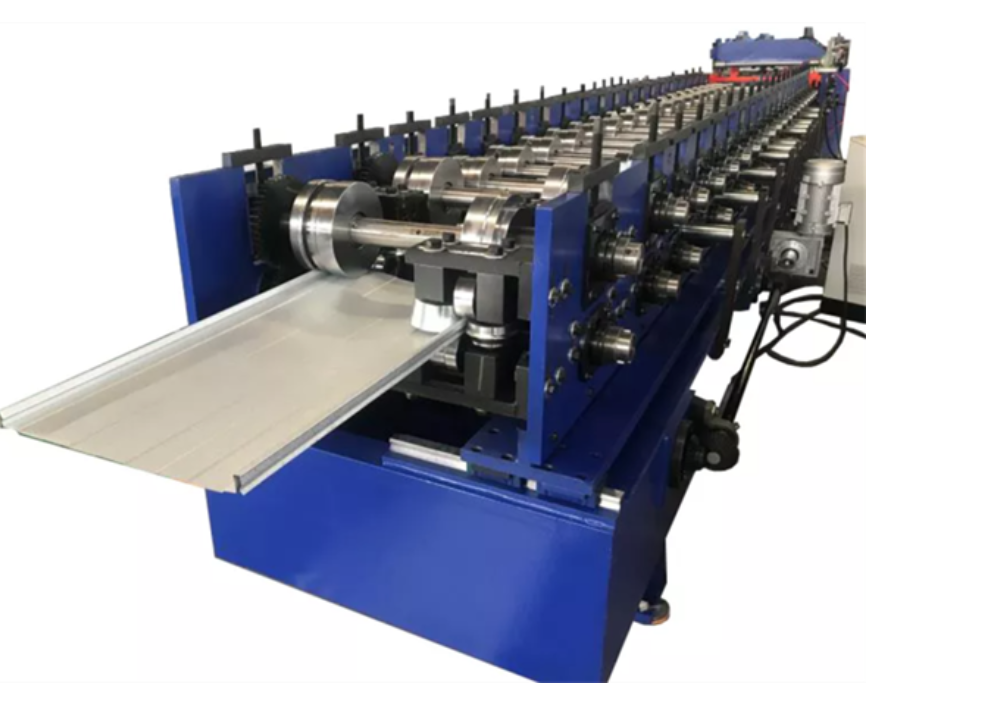
Modern roofing projects often require more than basic hand tools. As demand for efficient metal roofing production continues to grow, contractors and manufacturers are turning to specialized roofing machines to improve accuracy, productivity, and material handling. From roll forming equipment to seamers and cutting systems, these machines can support different stages of roofing production and installation.
The right machinery can help a roofing business produce consistent panels, reduce repetitive manual work, and handle custom orders more efficiently. However, equipment varies considerably in size, capabilities, portability, and cost. Understanding the different types of roofing machines can help contractors make a more informed investment.
What Are Roofing Machines?
Roofing machines are specialized pieces of equipment used to manufacture, shape, cut, join, or process roofing materials. Many are designed specifically for metal roofing, although equipment is also available for other roofing applications.
Some machines are installed permanently in production facilities, while portable models can be transported to construction sites. The appropriate option depends on the roofing profile, material, production volume, workspace, and type of projects a business handles.
A machine designed for standing seam panels, for example, may have very different specifications from equipment intended for corrugated or ribbed roofing.
Types of Roofing Machines
Several types of roofing machines are commonly used by professional contractors and manufacturers.
Roll Forming Machines
Roll forming machines are widely used to manufacture metal roofing panels. A flat metal coil passes through multiple sets of rollers, with each stage gradually forming the material into a specific profile.
Depending on the machine, panels can often be produced in custom lengths. Portable roll forming equipment can allow contractors to manufacture long panels directly at the job site.
This can reduce transportation challenges and provide greater control over panel dimensions.
Standing Seam Machines
Standing seam roofing systems require properly formed seams between adjacent panels. Specialized seaming machines are designed to close or lock these seams according to the requirements of the roofing system.
The correct machine must match the specific panel profile because seam configurations can vary between manufacturers and roofing systems.
Roofing Panel Machines
Roofing panel machines are designed to manufacture specific profiles used in metal roofing.
Depending on the equipment, these machines may produce:
- Standing seam panels
- Ribbed panels
- Corrugated panels
- Custom architectural profiles
Some newer machines feature digital controls and programmable settings that help operators maintain consistent production.
Roofing Cutting Machines
Cutting equipment is used to produce panels and components at the required dimensions. Accurate cuts are important around roof edges, valleys, vents, skylights, and other openings.
The cutting method should be appropriate for the material being processed. Operators should follow the manufacturer's recommendations to avoid damaging protective coatings or creating unnecessary material waste.
Material Handling Equipment
Roofing production can involve large metal coils and long finished panels. Material handling equipment helps move these materials safely around a facility or job site.
Efficient handling can reduce unnecessary lifting and improve the overall production workflow.
Benefits of Roofing Machines
Investing in the right machinery can provide several advantages for roofing businesses.
Increased Production Efficiency
Machines can perform repetitive forming and processing tasks more efficiently than many manual methods. This can help contractors and manufacturers increase output when handling larger workloads.
Higher productivity may also help businesses complete projects within tighter production schedules.
Consistent Panel Dimensions
A properly calibrated machine can produce panels with consistent dimensions and profiles. This consistency is particularly important when multiple panels must connect across a large roof.
Uniform production can also reduce adjustments during installation.
Reduced Material Waste
Accurate forming and cutting can help minimize unnecessary waste. This can be especially valuable when working with expensive metal coils or producing large quantities of panels.
Producing panels to project-specific lengths can further reduce excess material.
Custom Production
Many roofing machines allow contractors to produce panels according to individual project measurements.
Custom manufacturing can be useful for buildings with long roof slopes, unusual dimensions, or specialized architectural requirements.
Reduced Repetitive Labor
Specialized machinery can reduce some repetitive manual tasks. Workers can then focus more heavily on measuring, installation, inspection, quality control, and other responsibilities requiring experience.
How to Choose the Right Roofing Machine
Buying roofing equipment is a significant decision. Businesses should evaluate their actual requirements before selecting a machine.
Identify the Roofing Material
Determine what material the equipment will process. Steel, aluminum, and other metals can have different thicknesses and forming characteristics.
Check the manufacturer's specifications to confirm compatibility with the intended material and gauge.
Consider Production Volume
A contractor completing a few projects each month may have very different equipment requirements from a high-volume manufacturer.
Consider the amount of material the business expects to process and choose a machine that matches realistic production needs.
Evaluate Portability
Portable roofing machines can be valuable for contractors who want to manufacture panels at job sites. Stationary equipment may be better suited to companies with dedicated production facilities.
The right choice depends on transportation needs, available workspace, and project locations.
Review Machine Features
Modern roofing equipment may include digital controls, programmable settings, automatic measurements, and monitoring systems.
These features can improve consistency, but businesses should prioritize functions that provide genuine value for their production process.
Check Manufacturer Support
Warranty coverage, replacement parts, operator training, technical support, and maintenance services are important considerations.
Reliable support can help reduce downtime and make equipment easier to maintain over its working life.
Roofing Machine Safety
Roofing machinery should always be operated according to established safety procedures. Operators should receive appropriate training and understand the manufacturer's operating instructions.
Basic precautions include:
- Inspecting equipment before use
- Wearing suitable protective equipment
- Keeping hands away from moving components
- Maintaining a clean production area
- Securing loose clothing and accessories
- Following machine-specific procedures
- Keeping unauthorized personnel away from operating equipment
Roofing work can also involve sharp metal edges, heavy coils, and elevated surfaces, so machine safety should be integrated into the company's broader workplace safety program.
Maintaining Roofing Machines
Routine maintenance can help preserve equipment performance and reduce unexpected downtime.
Depending on the type of machine, maintenance may include cleaning rollers, checking alignment, inspecting electrical components, lubricating approved moving parts, tightening hardware, and replacing worn components.
Manufacturers typically provide recommended maintenance schedules. Following these guidelines can help identify potential problems before they affect production.
Are Roofing Machines Worth the Investment?
For roofing contractors and manufacturers with regular production requirements, specialized machinery can be a worthwhile investment.
However, the potential return depends on factors such as equipment cost, production volume, labor requirements, material savings, maintenance expenses, and project demand.
Before purchasing, businesses should compare the total cost of ownership rather than focusing only on the initial machine price.
A machine with extremely high production capacity may not be the best choice if the business does not have enough work to use that capacity.
Final Thoughts
Roofing machines have become an important part of modern metal roofing production. Roll forming machines, panel equipment, seamers, cutting systems, and material handling equipment can help businesses improve productivity, accuracy, and production flexibility.

 Arabic
 French
 Spanish
 Portuguese
 Deutsch
 Turkish
 Dutch
Dutch
 Italiano
 Russian
 Romaian
 Portuguese (Brazil)
 Greek
Greek