
Citizen Automatic Watches: How Do They Work and What Makes Them Special?
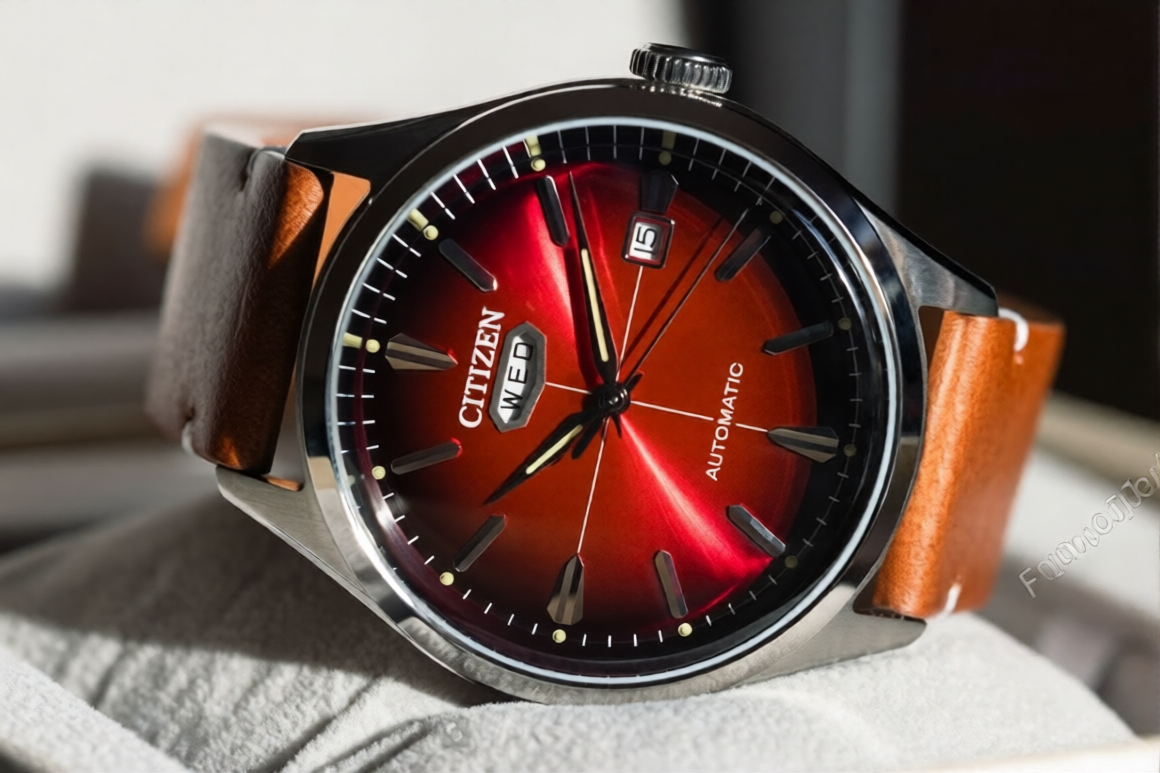
A mechanical watch can offer more than a way to tell time. For many watch enthusiasts, the appeal comes from the movement inside the case and the craftsmanship involved in keeping it running. Citizen automatic watches combine traditional mechanical watchmaking with the brand's focus on practical, wearable timepieces.
If you are considering your first automatic watch or want to understand how these watches work, learning about their movement, features, maintenance, and design can help you make a confident choice.
What Is an Automatic Watch?
An automatic watch is a mechanical timepiece that uses the movement of your wrist to help power its mechanism.
Inside the watch is a rotor that moves as you wear it. This motion helps wind the mainspring, which stores energy and allows the movement to continue operating.
Unlike a traditional quartz watch, an automatic watch does not rely on a battery as its primary source of power.
How Do Citizen Automatic Watches Work?
The basic principle is relatively simple.
As your wrist moves, the internal rotor rotates. This movement transfers energy to the winding system, gradually winding the mainspring.
The stored energy is then released through the mechanical movement to power the hands and other functions.
The exact mechanism and specifications can vary between Citizen models, so it is worth checking the details of the particular watch you are considering.
What Makes Automatic Watches Special?
One of the biggest attractions of an automatic watch is the mechanical movement.
Instead of depending on electronic circuitry and a battery, the watch operates through a network of mechanical components working together.
For many people, this creates a stronger connection to traditional watchmaking.
The visible movement of the second hand, mechanical construction, and craftsmanship can all contribute to the appeal.
Automatic vs Quartz Watches
Understanding the difference between automatic and quartz movements is important before buying.
Quartz watches use a battery-powered electronic movement and are generally known for their accuracy and convenience.
Automatic watches use mechanical components and are powered by stored energy generated through winding.
If you prioritize convenience and minimal maintenance, quartz may be attractive. If you appreciate mechanical craftsmanship and traditional watchmaking, an automatic model may be more appealing.
Do Automatic Watches Need Batteries?
A conventional automatic movement does not require a battery to power the movement.
However, this does not mean it requires no maintenance. Mechanical watches contain many moving components and can benefit from periodic servicing.
If an automatic watch is left unworn for a period of time, it may eventually stop once its stored power has been used.
What Is Power Reserve?
Power reserve refers to how long a mechanical watch can continue running after it has been sufficiently wound and then left without additional winding.
The exact power reserve depends on the movement.
This feature is useful to understand because it tells you how long the watch may continue operating when you are not wearing it.
Wearing an Automatic Watch
Regular wrist movement helps keep an automatic watch wound.
However, the amount of energy generated can vary depending on how active you are and how long you wear the watch.
If you rotate between several watches, you may find that an automatic model stops when it has not been worn for an extended period.
This is normal for mechanical watches and does not necessarily indicate a problem.
Manual Winding
Some automatic movements can also be manually wound through the crown.
Manual winding can provide additional energy when the watch has stopped or has not been worn enough to maintain its power reserve.
Always follow the manufacturer's instructions for winding your specific model.
Citizen Automatic Watch Designs
Citizen offers automatic watches in different styles, allowing you to choose a model based on your personal preferences.
Some designs have a classic appearance, while others feature sportier cases, contemporary dials, or additional complications.
The right design depends on how and where you plan to wear the watch.
Classic Dress Styles
A traditional automatic watch can be an excellent accessory for professional and formal clothing.
Clean dials, polished cases, and leather straps can create a refined appearance.
These watches can work well with business suits, dress shirts, and other smart outfits.
Sporty Automatic Styles
Sport-oriented automatic watches often emphasize durability and functionality.
They may feature larger cases, stronger bracelets, luminous hands and markers, and additional water resistance.
These characteristics can make them suitable for casual wear and outdoor activities, depending on the specific model.
Choosing the Right Case Size
Case size can significantly affect how an automatic watch looks and feels.
A smaller case may provide a traditional and understated appearance. A larger case can create a more noticeable and contemporary look.
Your wrist size should also be considered. A watch should sit comfortably without appearing excessively large or small.
Choosing a Bracelet or Strap
The bracelet or strap can change the personality of a watch.
Stainless Steel Bracelet
A stainless steel bracelet provides durability and versatility. It can work with casual clothing as well as more polished outfits.
Leather Strap
Leather can create a classic and sophisticated appearance. It is particularly suitable for dressier automatic watches.
Other Strap Options
Some models can be paired with alternative straps, allowing you to customize the appearance for different occasions.
Consider the Dial Design
The dial is one of the first things people notice.
A simple dial can create a timeless appearance, while additional features such as date displays, textured surfaces, or multiple sub-dials can provide more visual interest.
Choose a design that remains easy to read and matches your preferred style.
Date and Other Complications
Some automatic watches include additional functions beyond basic timekeeping.
A date display is one of the most common features. Other models may offer complications such as day displays, power reserve indicators, or chronograph functions.
Additional features can increase functionality, but they may also make the dial more complex.
Water Resistance
Water resistance is an important specification to check.
Different watches are designed to handle different levels of moisture exposure. A watch suitable for everyday splashes is not necessarily appropriate for swimming or diving.
Always check the manufacturer's stated water resistance and use the watch accordingly.
Accuracy of Automatic Watches
Mechanical watches generally do not offer the same level of accuracy as quartz watches.
Their performance can be affected by factors such as position, temperature, movement, and how consistently the watch is worn.
Small variations in timekeeping can be normal for mechanical watches.
If highly precise timekeeping is your top priority, consider whether a quartz movement may better suit your needs.
Caring for an Automatic Watch
Proper care can help maintain an automatic watch over the long term.
Avoid unnecessary shocks, extreme temperatures, and exposure to conditions beyond the watch's intended specifications.
Keep the watch clean and pay attention to the crown and case.
If the watch develops unusual timekeeping behavior or other issues, professional inspection may be appropriate.
Servicing Requirements
Automatic movements contain numerous mechanical components that work together continuously.
Periodic professional servicing can help maintain the movement and identify worn components.
The recommended service interval can vary depending on the movement and usage, so consult the manufacturer's guidance for your specific model.
Are Citizen Automatic Watches Good for Everyday Wear?
An automatic watch can be an excellent everyday accessory when the design matches your lifestyle.
For daily use, consider durability, water resistance, comfort, case size, and strap material.
A robust stainless steel model may be practical for frequent wear, while a delicate dress-style watch may be better suited to professional or special occasions.
What Should You Look for Before Buying?
Before choosing an automatic watch, consider:
- Movement type
- Power reserve
- Case size
- Case material
- Dial readability
- Water resistance
- Bracelet or strap
- Date or other complications
- Comfort
- Maintenance requirements
- Personal style
- Budget
These factors can help you compare different models beyond their appearance.
Pros and Cons of Automatic Watches
| Pros | Cons |
|---|---|
| Mechanical craftsmanship | Usually less accurate than quartz |
| No conventional battery required | May stop when left unworn |
| Traditional watchmaking appeal | Requires mechanical servicing |
| Smooth mechanical operation | Can be more sensitive to shocks |
| Long-term enthusiast appeal | Often requires more care |
Who Should Consider an Automatic Watch?
Automatic watches can be a good choice for people who appreciate mechanical craftsmanship and traditional watchmaking.
They are also appealing to collectors and anyone who enjoys wearing a watch with a mechanical movement rather than simply choosing the most convenient timekeeping technology.
If you prefer a watch that requires minimal attention, however, quartz may be a better fit.
Final Thoughts
Citizen automatic watches offer an appealing combination of mechanical watchmaking, practical design, and everyday versatility. Their movements use wrist motion to generate and store energy, creating a traditional watch experience without relying on a conventional battery.
Before buying, consider the movement, power reserve, case size, water resistance, strap, dial, accuracy, and maintenance requirements. Most importantly, choose a design that fits your lifestyle and personal taste.
For someone who appreciates the craftsmanship behind a mechanical timepiece, an automatic watch can be much more than a practical accessory. It can become a long-term part of a personal watch collection.
FAQs
How do Citizen automatic watches work?
They use a mechanical movement with a rotor that moves as you wear the watch. This movement helps wind the mainspring, which stores energy to power the watch.
Do Citizen automatic watches need batteries?
Traditional automatic movements do not use a battery as their primary power source. They rely on mechanical energy generated through wrist movement and winding.
How long can an automatic watch run without wearing it?
The running time depends on the movement's power reserve. Once the stored energy is depleted, the watch will stop until it is wound or worn again.
Are automatic watches accurate?
Automatic watches can provide reliable timekeeping, but they generally have greater variation than quartz watches. Small differences in daily timekeeping can be normal.
How should I care for an automatic watch?
Keep it clean, avoid unnecessary shocks and extreme conditions, follow its water-resistance limitations, and have the movement professionally serviced according to the manufacturer's recommendations.

 English
 Arabic
 Spanish
 Portuguese
 Deutsch
 Turkish
 Dutch
Dutch
 Italiano
 Russian
 Romaian
 Portuguese (Brazil)
 Greek
Greek