
What Is a Wind and Watertight Shipping Container?
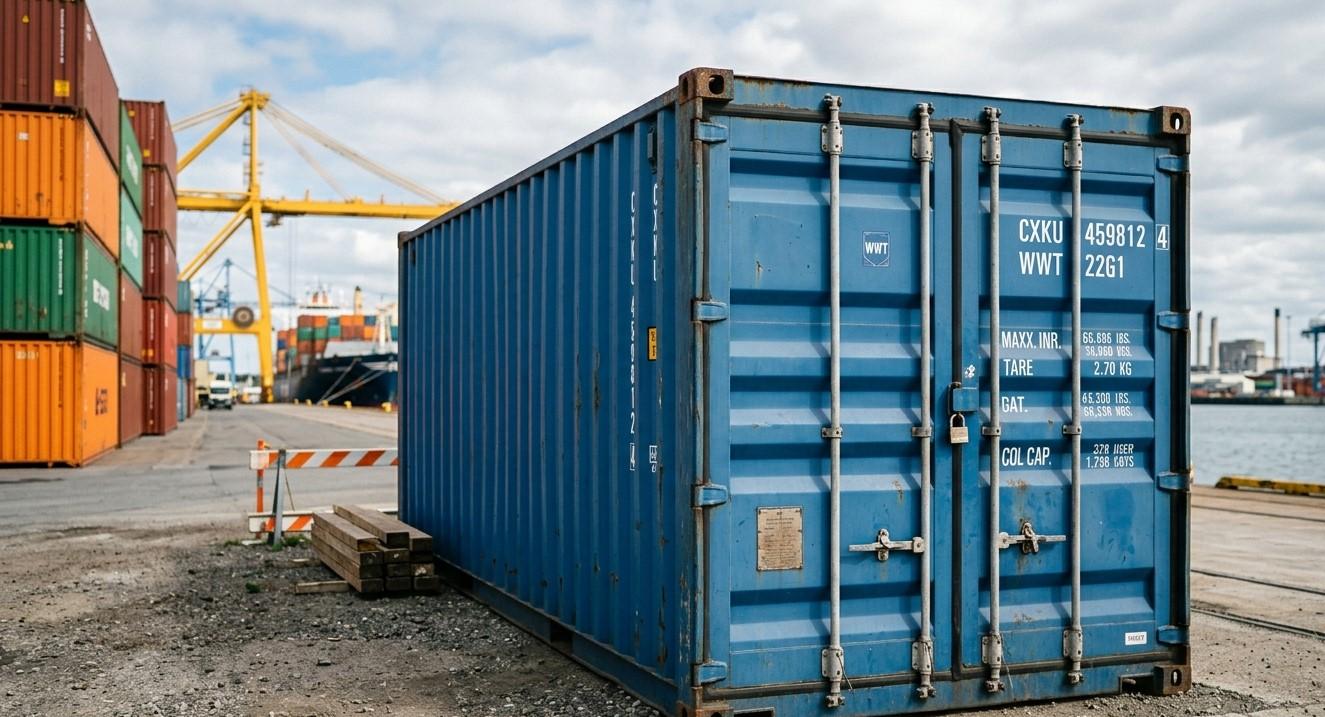
When buying a shipping container for storage, one of the most important terms you may encounter is wind and watertight, often abbreviated as WWT. But what does it actually mean, and why does it matter when choosing a container?
A wind and watertight shipping container is designed to provide a sealed, secure enclosure that protects stored items from normal outdoor weather conditions. This makes WWT containers a popular choice for equipment, household belongings, business inventory, tools, and other storage needs.
If you're comparing shipping containers for sale, understanding the WWT designation can help you choose a container that matches your storage requirements and budget.
Table of Contents
- What Does Wind and Watertight Mean?
- What Does a WWT Container Protect Against?
- How Is a Container Made Wind and Watertight?
- Wind and Watertight vs. Cargo Worthy
- WWT vs. One-Trip Containers
- Are Wind and Watertight Containers Good for Storage?
- What Should You Inspect Before Buying?
- How Much Maintenance Does a WWT Container Need?
- Where Can You Find Wind and Watertight Containers?
- FAQs
- Get Wind and Watertight Containers From Conex Hub
What Does Wind and Watertight Mean?
Wind and watertight (WWT) describes a container condition intended to keep normal outdoor elements from entering the storage space.
Conex Hub's condition guide describes WWT containers as sealed and secure for storage.
In practical terms, a WWT container should provide a protective barrier against:
- Rain
- Wind
- Outdoor moisture
- Dust and debris
- Normal weather exposure
This makes WWT containers particularly useful when the primary purpose is on-site storage rather than transporting cargo internationally.
However, wind and watertight does not mean a container is completely immune to every possible moisture issue. Condensation can still occur inside a steel container because of temperature and humidity changes. Proper ventilation, site preparation, and storage practices remain important.
What Does a WWT Container Protect Against?
A wind and watertight container can provide an enclosed storage environment for many types of belongings.
Common uses include:
Household Storage
A WWT container can provide additional space when a home, garage, or property does not have enough room for:
- Furniture
- Seasonal decorations
- Boxes
- Garden equipment
- Tools
- Household supplies
Business Inventory
Businesses may use containers to store inventory, supplies, equipment, or materials directly at their property or job site.
Construction Storage
Construction companies can use containers to keep tools, materials, and equipment organized and protected at work sites.
Equipment Storage
Lawn equipment, machinery, tools, and other valuable items can benefit from a secure, enclosed storage area.
The specific protection a container provides depends on its condition, maintenance, placement, and how it is used.
How Is a Container Made Wind and Watertight?
Several components work together to help keep a shipping container sealed.
Steel Construction
Shipping containers are built with strong steel construction designed to withstand demanding transportation and outdoor conditions.
Door Gaskets
The doors are one of the most important areas for weather protection. Door gaskets create a seal around the opening when the container is properly closed.
Damaged or worn seals can eventually allow moisture or water to enter.
Roof and Side Panels
The roof and sidewalls form the primary exterior barrier. Damage, holes, or severe corrosion can compromise weather protection.
Proper Maintenance
Even a WWT container should be inspected periodically. Keeping the roof, walls, doors, and seals in good condition helps preserve its weather resistance.
Wind and Watertight vs. Cargo Worthy
WWT and cargo worthy are two different container condition categories.
A wind and watertight container is primarily intended to provide secure storage and protection from normal outdoor weather.
A cargo worthy (CW) container, on the other hand, is structurally sound and certified as suitable for international shipping. Conex Hub describes cargo-worthy containers as suitable for international transportation as well as secure storage.
Here's a simple comparison:
| Feature | Wind & Watertight | Cargo Worthy |
|---|---|---|
| Weather protection | Yes | Yes |
| Suitable for storage | Yes | Yes |
| Structurally sound | Generally expected | Yes |
| International shipping certification | Not necessarily | Yes |
| Typical primary use | Storage | Shipping and storage |
| Cost consideration | Often economical | May cost more depending on condition |
If you're purchasing a container strictly for storage, you may not need to pay extra for a cargo-worthy unit.
WWT vs. One-Trip Containers
Another common question is how WWT compares with a new one-trip container.
A one-trip container has typically made a single voyage and arrives in near-new condition. Conex Hub describes its new one-trip containers as the premium choice for customers looking for clean, modification-ready units.
A WWT container, meanwhile, describes a condition focused primarily on weather protection and storage suitability.
This means a container can be newer and still be described based on its other characteristics, while a used container may be an excellent WWT storage solution.
The right option depends on your priorities:
- Lowest practical storage cost: Consider a suitable used WWT container.
- Near-new appearance: Consider a one-trip container.
- International shipping: Look for a cargo-worthy container.
- Custom modification: A clean, structurally sound container may be preferable.
Are Wind and Watertight Containers Good for Storage?
Yes. WWT containers are specifically useful for storage applications where protection from normal outdoor weather is important.
Conex Hub describes its used containers as affordable, structurally sound, wind and watertight, and suitable for storage and projects.
Before placing belongings inside, however, consider the following:
Choose a Suitable Location
Place the container on firm, dry, level ground. Conex Hub recommends pavement, gravel, or hard-packed dirt and warns that soft soil, mud, and sand can cause settling and delivery complications.
Control Condensation
Even a watertight container can experience condensation. Avoid placing wet items inside and consider ventilation or moisture-control solutions when necessary.
Keep Items Organized
Shelving, pallets, and storage racks can help keep belongings off the floor and improve accessibility.
What Should You Inspect Before Buying?
If you're searching for storage containers for sale, don't judge a container only by its appearance or price.
Before purchasing, ask about:
- Container condition
- Door and gasket condition
- Roof condition
- Visible rust or corrosion
- Holes or previous repairs
- Flooring condition
- Previous use
- Ventilation
- Delivery requirements
- Modification options
If possible, inspect the actual unit you are purchasing or ask the supplier for detailed information about its condition.
A reputable supplier should be able to explain the container's condition grade and intended use.
How Much Maintenance Does a WWT Container Need?
Wind and watertight containers are relatively straightforward to maintain, but regular inspections are still worthwhile.
A simple maintenance routine can include:
- Check the roof and walls for damage.
- Inspect door seals for wear.
- Keep the doors and locking bars clean.
- Look for signs of rust or corrosion.
- Check the floor for moisture or damage.
- Make sure water is draining away from the container.
- Inspect stored belongings periodically.
Addressing small problems early can help prevent larger repairs later.
Where Can You Find Wind and Watertight Containers?
If you're searching for shipping container for sale near me, start by comparing suppliers that clearly identify container condition, size, delivery options, and intended use.
Conex Hub offers new, used, and custom-fabricated shipping containers for sale, rent, or financing. Its inventory includes containers intended for storage, shipping, and specialized applications.
The company also provides a quote process where customers can specify the container type, size, condition, quantity, purchase or rental preference, and delivery address.
This information can help the supplier recommend an appropriate container rather than simply providing a generic unit.
FAQs
What is a wind and watertight shipping container?
A wind and watertight shipping container is a container condition designed to provide a sealed and secure enclosure for storage while protecting contents from normal outdoor weather.
Are WWT containers waterproof?
WWT containers are designed to prevent normal rain and outside water from entering when the container is properly maintained. However, condensation, damaged seals, corrosion, or physical damage can still create moisture problems.
Are wind and watertight containers good for storage?
Yes. WWT containers are commonly used for household, commercial, construction, equipment, and general storage.
Is WWT better than cargo worthy?
Not necessarily. They describe different priorities. WWT focuses on storage and weather protection, while cargo worthy indicates a container that meets requirements for international shipping.
Can I use a WWT container for business storage?
Yes. Businesses can use WWT containers to store equipment, materials, supplies, and inventory, provided the container and site are appropriate for the intended use.
How long can a wind and watertight container last?
The useful life varies according to the container's original condition, environment, maintenance, and usage. Regular inspections and timely repairs can help extend its service life.
Should I buy a new or used WWT container?
A used WWT container can be a practical choice when your primary goal is affordable storage. A new one-trip container may be preferable if appearance, cleanliness, and modification readiness are higher priorities.
Get the Right Wind and Watertight Container From Conex Hub
Choosing the right container starts with understanding what the condition grade actually means. If your main goal is secure outdoor storage, a properly maintained wind and watertight container can provide a practical balance of protection, durability, and value.
Whether you're comparing shipping containers for sale, looking for a shipping container for sale near me, or researching storage containers for sale, consider more than just the container's dimensions. Look at its condition, weather protection, intended use, delivery requirements, and long-term maintenance needs.
Conex Hub specializes in shipping container sales, leasing, and custom modifications. The company reports more than 30,000 containers delivered from five operating yards across California and Arizona.
Ready to find the right container for your project? Contact Conex Hub with your preferred size, condition, quantity, and delivery location to request a quote and discuss available options.

 English
 Arabic
 French
 Spanish
 Portuguese
 Deutsch
 Dutch
Dutch
 Italiano
 Russian
 Romaian
 Portuguese (Brazil)
 Greek
Greek