
Everything You Need to Know Before Buying orSlow Clothing
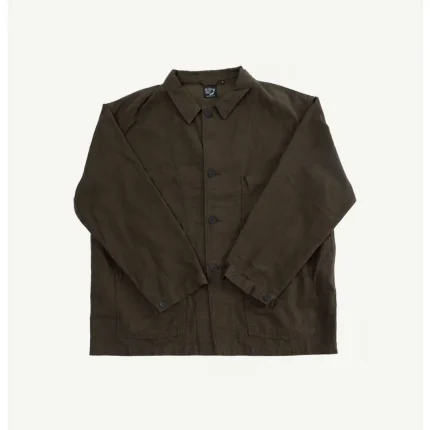
Buying orSlow clothing is easier when you understand what separates one model from another before placing an order. The brand covers several areas of vintage-inspired clothing, including denim, military trousers, workwear jackets, shirts, shorts, and accessories. Each product is developed around a particular historical reference, fabric, and silhouette, so two garments can have very different wearing experiences. A thoughtful purchase should begin with the purpose of the garment, followed by its measurements, material, color, care requirements, and relationship with the rest of your wardrobe.
Understand What Makes orSlow Different
The first thing to know is that the brand does not approach clothing as simple seasonal fashion. Its designs are influenced by older workwear, military uniforms, classic American clothing, and European garments, but those references are interpreted for present-day use. orSlow clothing often retains practical details from the original garments while adjusting proportions and materials for modern wardrobes. This creates pieces that can look familiar without being direct historical reproductions. Understanding this philosophy helps explain why certain pockets, cuts, fabrics, and construction details may look different from contemporary mainstream clothing.
Start With the Fit You Actually Want
Fit should be considered before color or fabric because it has the greatest effect on how a garment looks and feels. orSlow Jeans come in several silhouettes, and models that share a traditional five-pocket foundation can still have noticeably different proportions. The 105 Standard, for example, has a classic straight character, while the 107 Ivy Fit has a more refined shape influenced by Ivy-era clothing. Think about your preferred rise, thigh room, leg width, and hem opening instead of selecting a model only because its name is popular.
Check Measurements Instead of Guessing Your Size
Japanese sizing should never be selected purely by assuming your usual letter or waist size will match. Garment measurements provide much more useful information, especially when ordering online. Compare waist, rise, thigh, inseam, chest, shoulder, sleeve, and body length with a garment you already own. This is particularly important with vintage-inspired pieces because their proportions may intentionally differ from modern slim clothing. A size that appears familiar on the label can produce a completely different fit when the pattern has been designed around historical clothing.
Learn About the Fabric Before Buying
Material influences comfort, weight, drape, durability, and how quickly a garment changes through wear. orSlow uses different fabrics across its collection, including various denim weights, chambray, herringbone, reverse sateen, and other cotton constructions. A heavier fabric may provide a substantial workwear feel, while a lighter material can be more comfortable for warm weather. Before purchasing, check the fabric composition and weight whenever the information is available. This small step can prevent disappointment when the garment arrives and feels very different from what you expected.
Know What to Expect From Denim
orSlow Jeans denim is often appreciated for the way it develops through repeated use rather than remaining visually unchanged. The surface can soften, the color can fade, and areas exposed to regular friction can develop distinct patterns. Some models are more structured than others, so buyers should decide whether they prefer a firm initial feel or a softer washed construction. Denim also responds to washing methods, meaning the way you care for it can influence its future appearance. Thinking about the entire life of the jeans makes it easier to choose a fabric that matches your preferences.
Consider the Rise of Trousers
The rise can completely change the experience of wearing a pair of trousers. Military and workwear-inspired designs often sit differently from modern low-rise styles, providing more room around the waist and upper leg. This can affect how shirts sit over the trousers and how jackets interact with the waistline. When shopping online, do not focus only on the waist and inseam. Compare the rise with trousers that already fit you comfortably. This is especially useful when exploring the brand's fatigue and utility-inspired designs.
Decide Whether You Prefer Military or Workwear Styling
Historical inspiration is one of the strongest features of the collection, but the references are not all the same. Some garments draw from American military uniforms, while others are based on civilian workwear, naval clothing, or traditional denim. Military-inspired trousers can have a stronger utility appearance, whereas workwear pieces may feel more relaxed and understated. Knowing which direction appeals to you will narrow the collection considerably. It also prevents you from purchasing an item whose historical character does not fit the style you normally wear.
Choose Jackets With Your Layers in Mind
Outerwear should be purchased according to what you will wear underneath it. A spacious work jacket may be excellent over sweatshirts and thick shirts, while a slimmer design can be more appropriate for lightweight layers. Consider your climate and the months when you expect to use the garment. Shoulder width and sleeve length are especially important because a jacket can feel restrictive even when the chest measurement appears correct. An orSlow Jacket should give you enough movement for normal daily activities while still maintaining the intended silhouette.
Do Not Overlook Shirts
Shirts can be some of the most adaptable pieces in the collection because they can function as both everyday tops and lightweight outer layers. orSlow Shirts often draw from workwear and military patterns, so their cuts may be more relaxed than contemporary office shirts. Check collar shape, shoulder width, sleeve length, and body volume before choosing a size. A roomier shirt can be useful over a T-shirt, while a cleaner fit may work better under a jacket. The best choice depends on how you intend to layer it.
Think About Color Coordination
Classic colors generally offer the easiest starting point. Indigo, olive, navy, black, gray, natural, and chambray tones can work with a wide range of footwear and tops. A less common color can still be an excellent purchase, but it should fill a clear role in your wardrobe. Before ordering, think of at least three outfits you could create with the garment. If you can combine it with several pieces you already own, the purchase is more likely to become a regular part of your rotation rather than an item reserved for rare occasions.
Consider the Season
Fabric thickness should match the conditions in which you plan to wear the clothing. Heavy denim and substantial jackets can be excellent in cooler weather but may feel uncomfortable in high temperatures. Lightweight shirts and shorts can make more sense for summer, while layered outerwear becomes more useful during colder months. orSlow Shorts can provide a practical warm-weather option, especially when paired with lightweight shirts and simple footwear. Choosing based on your local climate helps you get more value from the garment throughout the year.
Understand How Clothing Ages
One reason people become interested in the brand is the way its fabrics can change through use. Cotton can soften, denim can fade, and repeated movement can create creases that become part of the garment's appearance. These changes should be considered before purchasing because someone who wants a permanently crisp garment may prefer a different type of clothing. If you enjoy natural aging, choose fabrics that will show wear in an attractive way. The goal is not necessarily to keep the item looking new but to maintain it while allowing its character to develop.
Washing Requires Some Attention
Care instructions should be checked before the first wash. Different fabrics can respond differently to water temperature, detergent, drying methods, and washing frequency. Denim can lose color or change dimensions if treated too aggressively, while certain shirts or trousers may need gentler handling. Following the instructions supplied with the individual garment is safer than applying one universal denim or cotton routine to every product. Proper care can help maintain the intended fit while allowing natural wear to develop gradually.
Decide Whether New or Used Is Better
Secondhand orSlow clothing can be attractive because older pieces may feature discontinued fabrics, colors, or models that are no longer easily available. Used denim can also have naturally developed fading that would otherwise take years to create. Condition should be examined carefully, though. Look at photographs of the cuffs, knees, crotch, seat, pockets, seams, collar, and hardware. Repairs and alterations are not automatically negative, but they should be understood before purchase. Exact measurements are also essential because previous washing and wear can change the original dimensions.
Check Authenticity When Buying Online
A reputable seller is especially important when purchasing expensive or discontinued products. Look for detailed photographs, accurate measurements, clear product descriptions, and a reasonable return policy. Avoid relying on generic stock photographs when the actual condition of the garment matters. If a price seems unusually low, research the model and compare it with established retailers. Authenticity concerns are more relevant with popular products because recognizable models can attract counterfeit listings. Careful seller research reduces the risk of paying for an item that is misrepresented.
Build Around What You Already Own
A new purchase should add something useful to your wardrobe rather than simply repeat what you already have. If you own several dark denim pairs, fatigue trousers or a work jacket may offer greater variety. If your wardrobe is mostly modern casual clothing, one vintage-inspired shirt can introduce a different character without requiring a complete style change. Think about how the new item interacts with your current shoes, tops, outerwear, and accessories. A versatile garment often provides more long-term value than an unusual piece that only works with one specific outfit.
Do Not Buy Only Because a Model Is Famous
Popular models can be useful references for understanding the brand, but popularity does not guarantee that a particular product suits you. Someone who prefers wide trousers may dislike a slimmer model even if it receives strong attention from collectors. Likewise, someone who rarely wears denim may gain more from a shirt or jacket. Personal use should remain the main deciding factor. A garment that fits your lifestyle and gets worn regularly is usually a better purchase than a highly regarded item that stays in your closet.
Learn the Product's Historical Background
Understanding the source of a garment can make the buying decision much easier. A fatigue trouser has different proportions and functional details because military clothing had different requirements from a civilian work pant. A coverall was designed around manual labor, while a classic five-pocket jean developed around everyday utility. Learning these distinctions helps you understand why the finished product looks and fits the way it does. It also gives you a clearer idea of whether the garment's character matches your personal style.
Consider Your Long-Term Use
A strong purchase should remain useful after the excitement of buying something new has disappeared. Ask yourself whether you can imagine wearing the garment next year, after several washes, and after your wardrobe changes slightly. Timeless shapes generally have an advantage because they are less dependent on short-lived trends. orSlow's historical approach can support this kind of long-term use because the designs are based on clothing that has already demonstrated its usefulness over many decades.
Think About Cost Per Wear
Price should be considered alongside how frequently you expect to use the garment. A higher-priced pair of jeans that becomes a weekly staple can provide more practical value than a cheaper pair that is rarely worn. The same applies to jackets, shirts, and shorts. Before buying, estimate how often you will realistically wear the item. If it can work across multiple seasons and with several existing outfits, the cost becomes easier to justify. This approach also encourages thoughtful purchasing instead of collecting garments that serve identical purposes.
Final Thoughts
Before buying orSlow clothing, focus on fit, fabric, historical inspiration, season, color, care, authenticity, and long-term usefulness. Do not assume that every model shares the same proportions or wearing experience. Take measurements, research the fabric, understand the intended silhouette, and consider how the garment will work with your existing wardrobe. Whether you choose jeans, a jacket, shirts, shorts, or military-inspired trousers, the strongest purchase will be one that feels natural to wear and continues to make sense long after the initial purchase.

 English
 Arabic
 Spanish
 Portuguese
 Deutsch
 Turkish
 Dutch
Dutch
 Italiano
 Russian
 Romaian
 Portuguese (Brazil)
 Greek
Greek