
Lower Blepharoplasty In Dubai: Rejuvenate Your Lower Eye Appearance
Introduction
The eyes play an important role in facial appearance, expression, and overall attractiveness. However, changes in the skin and tissues beneath the eyes can make a person look tired, even when they feel refreshed and energetic. Under-eye bags, puffiness, loose skin, and visible wrinkles are common concerns that may develop with age, genetics, lifestyle factors, and natural changes in facial structure. For individuals seeking to address these concerns, lower eyelid surgery can be an option worth exploring.
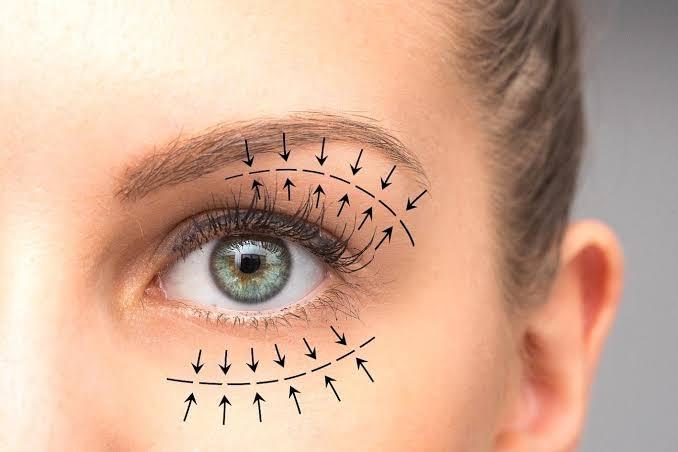
Lower Blepharoplasty In Dubai is a cosmetic procedure designed to improve the appearance of the lower eyelids by addressing excess skin, prominent fat pockets, and certain forms of under-eye puffiness. Depending on the patient's anatomy and treatment goals, the procedure may involve removing or repositioning fat and, when appropriate, carefully removing excess skin. The objective is to create a smoother transition between the lower eyelids and cheeks while preserving the natural character of the face.
Dubai has become a destination for individuals interested in cosmetic treatments and facial rejuvenation. Patients considering lower eyelid surgery can explore different treatment approaches, discuss their concerns with an experienced specialist, and learn about the techniques that may suit their individual needs. Understanding the procedure, its potential benefits, recovery process, and associated risks is an important part of making an informed decision.
What Is Lower Blepharoplasty?
Lower blepharoplasty is a surgical procedure that focuses on improving the appearance of the lower eyelids. It is commonly considered by people who experience persistent under-eye bags, excess skin, or fat deposits that create a puffy or uneven appearance. Unlike temporary cosmetic treatments, surgery addresses specific structural changes in the lower eyelid area.
The lower eyelids contain delicate skin, muscles, connective tissues, and fat compartments. As the face ages, the supporting tissues may weaken, and fat can become more prominent. Changes in skin elasticity may also contribute to wrinkles and loose skin. These developments can create shadows or contours that make the under-eye area appear swollen or aged.
During lower eyelid surgery, the surgeon assesses the underlying anatomy and determines which tissues require treatment. In some cases, fat is repositioned to soften the hollow area beneath the eyes. In other situations, carefully removing a limited amount of excess fat may be appropriate. If loose skin is a significant concern, a suitable technique may be used to address it.
The procedure is not intended to make every patient look identical. Instead, the goal is to achieve a balanced result that complements the person's facial proportions. A thorough consultation helps establish realistic expectations and determines whether surgery is appropriate.
Common Concerns Addressed by Lower Eyelid Surgery
Several concerns can affect the appearance of the lower eyelids. Although these issues sometimes occur together, they do not always have the same underlying cause. Identifying the specific concern is essential when selecting an appropriate treatment.
Under-Eye Bags and Puffiness
Under-eye bags often develop when fat beneath the lower eyelids becomes more prominent or when supporting tissues change. The resulting bulges may remain visible even after adequate sleep or improvements in lifestyle habits.
Lower eyelid surgery can help reduce the prominence of suitable fat deposits or reposition them to create a smoother contour. The appropriate approach depends on whether the patient has prominent fat, loose skin, hollowing, or a combination of these features.
It is important to understand that not all under-eye puffiness is caused by fat. Allergies, fluid retention, inflammation, and certain medical conditions can also contribute to swelling. A professional assessment can help distinguish between these causes and determine whether surgery is likely to provide meaningful improvement.
Loose Skin Beneath the Eyes
Skin naturally loses elasticity over time. This process may cause the lower eyelids to develop folds or a crepey appearance. Sun exposure, genetics, and individual skin characteristics can influence how these changes develop.
Lower eyelid surgery may be considered when excess skin contributes significantly to the appearance of the under-eye area. The surgeon must be particularly careful because removing too much skin can cause complications, including lower eyelid retraction or difficulty closing the eyes completely.
Fine Lines and Wrinkles
Fine lines can form around the lower eyelids as collagen and elastin decline. While surgery may improve wrinkles associated with excess skin, it does not eliminate every fine line or address all skin-quality concerns.
Patients whose primary concern is skin texture may benefit from discussing non-surgical treatments with a qualified professional. Depending on the condition of the skin, options may include selected laser treatments, skin resurfacing, or other professionally recommended procedures.
Hollowing and Uneven Under-Eye Contours
Some individuals have a hollow area beneath the eyes that creates a noticeable shadow. In certain cases, prominent fat pockets above the hollow can produce a sharp transition between the lower eyelid and cheek.
Fat repositioning during surgery may help soften this transition when the patient's anatomy is suitable. However, individuals with significant volume loss may require a different treatment strategy. A personalized assessment helps determine whether surgery alone is appropriate.
Why Consider Lower Blepharoplasty In Dubai?
People considering facial rejuvenation often look for a combination of professional expertise, individualized care, clear communication, and appropriate clinical facilities. Dubai offers a range of cosmetic and surgical services, allowing patients to research specialists and compare treatment approaches.
Choosing a surgeon should involve more than considering location or advertising claims. Patients should verify the practitioner's qualifications, relevant surgical experience, professional licensing, and the suitability of the facility where the procedure will take place.
A detailed consultation should include an assessment of the lower eyelids, discussion of medical history, review of medications, and evaluation of the patient's expectations. The surgeon should explain the proposed technique, possible limitations, recovery requirements, and potential complications.
When exploring Lower Eyelid Surgery In Dubai, patients should also ask who will provide anaesthesia, how follow-up appointments are arranged, and whom to contact if unexpected symptoms develop after surgery. These details are important for both safety and peace of mind.
The quality of care depends on the individual practitioner and treatment setting rather than the destination alone. Taking time to research these factors helps patients make a more informed decision.
How the Lower Blepharoplasty Procedure Works
The exact surgical approach varies according to the patient's anatomy, skin quality, degree of puffiness, and treatment goals. Before the procedure, the surgeon examines the lower eyelids and discusses the most suitable technique.
Initial Consultation and Assessment
The consultation is an essential stage of treatment planning. The surgeon evaluates the position of the lower eyelids, the amount of excess skin, the prominence of fat pockets, and the relationship between the eyelids and cheeks.
The patient's medical history is also reviewed. Previous eye surgery, dry eye symptoms, thyroid-related eye conditions, allergies, medications, and other relevant factors may influence treatment suitability. Patients should disclose all prescribed medicines and supplements and follow their clinician's instructions regarding any medication adjustments.
Photographs may be taken to document the starting appearance and support treatment planning. The surgeon should explain the expected results without promising a particular outcome.
Selecting the Surgical Technique
Two commonly used approaches are the transconjunctival and transcutaneous techniques.
A transconjunctival approach involves an incision inside the lower eyelid. It is often considered for patients who primarily have prominent fat pockets without substantial excess skin. Because the incision is inside the eyelid, there is no visible external incision from this approach.
A transcutaneous approach involves an incision near the lower eyelashes. It may be appropriate when excess skin requires treatment alongside changes to the underlying fat. The precise incision placement and surgical plan depend on the individual's anatomy.
In selected cases, the surgeon may reposition fat rather than simply remove it. This can help address the transition between the lower eyelid and cheek. Not every technique is suitable for every patient, and the decision should be based on clinical assessment.
The Surgical Procedure
Lower blepharoplasty may be performed under local anaesthesia with sedation or general anaesthesia, depending on the complexity of the procedure, the patient's circumstances, and the surgeon's recommendation.
During surgery, the surgeon works carefully around delicate eyelid structures. Fat may be removed or repositioned, and excess skin may be adjusted when necessary. The approach is planned to maintain appropriate eyelid support and reduce the risk of an unnatural or hollow appearance.
The duration of the procedure varies. Patients should obtain an individualized estimate during their consultation rather than relying on a general timeframe.
Understanding the Benefits of Lower Blepharoplasty
For appropriately selected patients, lower eyelid surgery can provide several aesthetic benefits. The extent of improvement depends on the underlying concerns, surgical technique, and individual healing response.
One potential benefit is a reduction in prominent under-eye bags. Treating suitable fat pockets can make the lower eyelids appear less puffy and create a smoother contour.
Another possible benefit is improved definition between the lower eyelids and cheeks. When fat repositioning is appropriate, the procedure may reduce the appearance of a pronounced bulge followed by a hollow area.
Surgery can also improve the appearance of selected folds caused by excess skin. Patients may find that their faces appear more rested, although the procedure does not change their underlying facial identity.
A natural-looking result is generally preferable to an excessively tight or hollow appearance. The objective is to improve the targeted concern while preserving eyelid function and facial balance.
It is equally important to recognize the procedure's limitations. Lower blepharoplasty cannot correct every cause of dark circles, eliminate all wrinkles, or prevent future ageing. Pigmentation, visible blood vessels, and naturally thin skin may remain after surgery.
Who May Be Suitable for Lower Blepharoplasty?
Suitability depends on several factors rather than age alone. Adults who are bothered by persistent under-eye bags, suitable forms of excess skin, or prominent lower eyelid fat may wish to explore the procedure.
A suitable candidate generally has realistic expectations, understands the recovery process, and is medically appropriate for surgery. Good overall health and an ability to follow post-operative instructions are important considerations.
Eye health deserves particular attention. People with dry eyes, eyelid laxity, previous eyelid surgery, thyroid eye disease, or other eye-related conditions may require additional evaluation. These factors can influence both the surgical approach and the risk of complications.
Patients who smoke or use nicotine should discuss this with their surgeon because nicotine can impair healing. The surgeon may recommend stopping nicotine use for an appropriate period before and after surgery.
Individuals whose main concern is dark pigmentation or mild puffiness caused by allergies may not benefit from surgery to the same extent as those with structural changes. A specialist can help determine whether another treatment or no procedure would be more appropriate.
What to Expect During Recovery
Recovery is an important part of the overall surgical experience. Patients should arrange sufficient time away from strenuous activities and ensure that they can attend follow-up appointments.
The First Few Days
Swelling, bruising, mild discomfort, and temporary tightness around the eyes are common after surgery. The degree of these effects varies from person to person.
Patients may be advised to use cold compresses, keep their head elevated, and apply prescribed eye ointments or drops. All instructions should be followed carefully, and patients should avoid rubbing or putting unnecessary pressure on the operated area.
Temporary blurred vision from ointment, watering, or irritation may occur. However, sudden vision changes, severe eye pain, or rapidly increasing swelling require urgent medical assessment.
The First Few Weeks
Bruising and swelling generally improve gradually over the following days and weeks. Some residual swelling may remain after the initial recovery period, so the appearance during the first few days should not be treated as the final result.
Patients should avoid strenuous exercise, heavy lifting, and activities that increase pressure around the eyes until their surgeon confirms that these activities can be resumed. Makeup, contact lenses, and other routine activities should also be restarted according to professional advice.
Follow-up appointments allow the surgical team to assess healing and address any concerns.
Long-Term Results
As swelling subsides and tissues settle, the lower eyelid contours become easier to assess. The time required for the final appearance to develop varies depending on the surgical technique and individual healing.
Results can be long-lasting, particularly when the underlying structural concerns have been addressed appropriately. Nevertheless, natural ageing continues, and future changes in skin elasticity or facial volume may affect the appearance of the area.
Maintaining sun protection, following a suitable skincare routine, and attending recommended appointments can support general skin health. These measures cannot stop ageing completely, but they may help preserve skin quality.
Potential Risks and Safety Considerations
Although lower blepharoplasty is a commonly performed cosmetic procedure, it is still surgery and carries potential risks. Patients should understand these risks before deciding to proceed.
Possible complications include bleeding, infection, scarring, asymmetry, prolonged swelling, dry eyes, irritation, and changes in skin sensation. Some patients may experience difficulty closing their eyes fully or develop lower eyelid retraction, in which the eyelid sits lower than intended.
Removing too much fat can create an excessively hollow appearance, while insufficient correction may leave some of the original concern visible. Revision surgery may be necessary in selected cases, although additional surgery carries its own risks.
Rare but serious complications involving bleeding behind the eye can threaten vision and require immediate emergency treatment. Sudden loss or deterioration of vision, severe pain, or rapidly worsening swelling should never be ignored.
A responsible consultation includes a discussion of these possibilities, the steps taken to reduce risk, and the circumstances in which urgent medical care is required.
Choosing the Best Lower Blepharoplasty Dubai Specialist
Finding the Best Lower Blepharoplasty Dubai option requires careful research and an understanding of what makes a surgeon suitable for this delicate procedure. Marketing language and online photographs alone are not sufficient to establish clinical expertise or predict an individual's result.
Patients should verify that their chosen surgeon is appropriately licensed and experienced in eyelid surgery. Experience with lower eyelid anatomy is particularly important because the procedure must balance aesthetic improvement with the protection of eye function.
When evaluating a practitioner, patients can ask about their training, experience with similar cases, preferred surgical techniques, complication management, and approach to follow-up care. Before-and-after photographs may provide useful context when they are genuine, representative, and viewed with an understanding that results differ between patients.
Those researching the Best Lower Eyelid Surgeon in Dubai should also consider the quality of the consultation. A suitable specialist should listen to the patient's concerns, explain alternative treatments, identify potential risk factors, and establish realistic expectations.
The surgeon should be willing to explain why a particular technique is recommended and whether the expected benefits justify the risks. Patients should not feel pressured to make an immediate decision.
Lower Blepharoplasty Compared With Non-Surgical Treatments
Surgery is not the only option for people concerned about their under-eye appearance. Non-surgical treatments may be appropriate when the primary issue involves skin texture, mild lines, pigmentation, or certain types of volume loss.
Skincare products containing suitable active ingredients may help improve skin texture over time, although they cannot remove prominent fat pockets or significant excess skin. Sun protection is particularly important because ultraviolet exposure can contribute to visible ageing and pigmentation.
Selected laser treatments may improve certain forms of pigmentation or fine lines, depending on skin type and the specific technology used. These treatments require professional assessment because the under-eye area is delicate and some procedures can cause irritation or pigmentation changes.
Injectable treatments may be considered in carefully selected cases involving hollowing, but under-eye fillers can cause swelling, contour irregularities, and other complications. They are not a substitute for surgery when prominent fat pockets or excess skin are the primary concerns.
The most appropriate choice depends on the underlying anatomy and the patient's priorities. A qualified professional can explain the benefits and limitations of each option and help avoid unnecessary treatments.
Cost of Lower Blepharoplasty In Dubai
The cost of lower eyelid surgery varies according to the surgeon's experience, the complexity of the case, the anaesthesia required, the facility, and whether other procedures are performed at the same time.
Patients should request a personalized quotation that explains what is included. Relevant details may include the surgeon's fee, facility charges, anaesthesia, follow-up appointments, prescribed medications, and any required pre-operative assessments.
It is also useful to ask how complications or additional treatment would be managed and whether any related costs may arise. The lowest quoted price should not be the only deciding factor when selecting a surgeon for a procedure involving delicate structures around the eyes.
A transparent consultation allows patients to compare treatment options, understand the expected benefits, and make a decision that reflects both their medical needs and financial circumstances.
Frequently Asked Questions
What Is Lower Blepharoplasty In Dubai Used For?
Lower blepharoplasty is used to improve selected concerns affecting the lower eyelids, including prominent under-eye bags, certain forms of excess skin, and uneven contours caused by fat distribution. The exact improvement depends on the individual's anatomy and the surgical technique.
Is Lower Eyelid Surgery Painful?
Anaesthesia is used to manage discomfort during the procedure. After surgery, patients may experience temporary soreness, tightness, swelling, or irritation. The surgical team can recommend appropriate methods to manage discomfort during recovery.
How Long Does Recovery Take?
Initial swelling and bruising generally improve over days to weeks, although complete settling can take longer. Recovery varies depending on the surgical approach, the extent of treatment, and individual healing. The surgeon will provide specific guidance about returning to work, exercise, and other activities.
Will Lower Blepharoplasty Remove Dark Circles?
Not necessarily. Dark circles may result from pigmentation, thin skin, visible blood vessels, hollowing, or shadows created by prominent fat pockets. Surgery may improve shadows associated with structural changes, but it may not correct pigmentation or every other cause of dark circles.
Are the Results Permanent?
The results can be long-lasting, but they are not completely permanent in the sense of stopping future ageing. Changes in skin elasticity, facial volume, and other age-related factors may continue over time.
Can Lower Blepharoplasty Be Combined With Other Procedures?
It may be combined with other facial procedures in selected patients. However, combining treatments can affect the overall complexity, risks, and recovery requirements. The surgeon should determine whether a combined approach is medically appropriate.
How Do I Choose a Lower Eyelid Surgeon in Dubai?
Verify the surgeon's qualifications, licensing, and experience with eyelid procedures. Ask about the proposed technique, possible complications, expected recovery, and follow-up arrangements. Choose a practitioner who provides clear information and realistic expectations rather than guarantees.
Conclusion
Lower eyelid concerns can affect the way the entire face appears, particularly when under-eye bags, excess skin, or uneven contours create a tired expression. For suitable candidates, lower blepharoplasty can help address these structural changes and produce a smoother, more balanced appearance.
Anyone considering Lower Blepharoplasty In Dubai should begin with a thorough consultation and an individualized assessment. Understanding the available techniques, potential benefits, limitations, recovery requirements, and surgical risks helps establish realistic expectations.
Selecting an appropriately qualified and experienced specialist is one of the most important steps in the process. By prioritizing safety, clear communication, and personalized treatment planning, patients can make a well-informed decision about whether lower eyelid surgery is the right option for their needs.

 English
 Arabic
 French
 Spanish
 Portuguese
 Deutsch
 Turkish
 Italiano
 Russian
 Romaian
 Portuguese (Brazil)
 Greek