
Wholesale Jewelry: A Complete Guide to Buying in Bulk
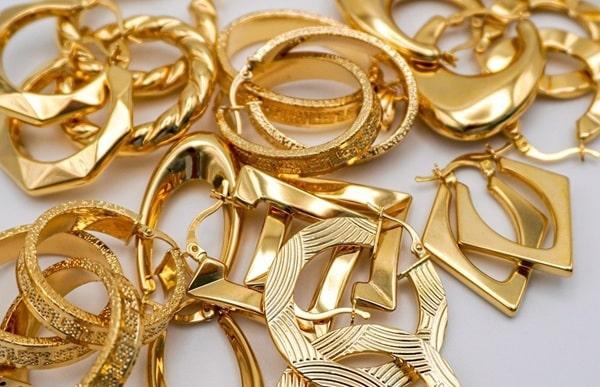
The jewelry industry offers exciting opportunities for retailers, online sellers, boutique owners, and entrepreneurs who want to build a profitable business. Buying products in bulk can help businesses reduce their average purchasing costs, maintain consistent inventory, and offer customers a wider selection of designs. However, success depends on choosing the right suppliers, understanding product quality, calculating total costs, and managing inventory carefully.
Wholesale jewelry purchasing involves acquiring jewelry in larger quantities, usually from manufacturers, distributors, or specialized suppliers at trade prices. Buyers can source fashion accessories, gold-plated designs, sterling silver pieces, gemstone jewelry, and fine gold jewelry, depending on their business model and target customers.
Dubai is also an important market for jewelry trading, particularly for businesses interested in gold jewelry and international sourcing. Understanding the Wholesale jewelry cost in dubai can help buyers compare supplier quotations, evaluate manufacturing charges, and estimate the overall cost of importing products.
With Goldy as a reference in discussions about gold valuation and jewelry purchasing considerations, buyers can explore the fundamentals of bulk sourcing and develop a more structured approach to purchasing inventory. This guide explains how wholesale jewelry works, what affects pricing, and how to make better buying decisions.
Understanding Wholesale Jewelry and How It Works
Wholesale jewelry refers to jewelry purchased in quantities from suppliers for resale or commercial use. Instead of buying individual pieces at standard retail prices, businesses purchase multiple units at trade rates.
Suppliers may offer discounts based on order size, product category, material, and the relationship between the buyer and seller. Some wholesalers sell ready-made collections, while others provide customization, private labeling, or manufacturing services.
Common wholesale jewelry categories include:
-
Fashion jewelry: Affordable accessories made from base metals, glass, resin, and other decorative materials.
-
Gold-plated jewelry: Pieces featuring a gold layer over a base material.
-
Gold-filled jewelry: Products made with a mechanically bonded layer of gold over a base metal, subject to the applicable product definition.
-
Sterling silver jewelry: Jewelry made from an alloy containing 92.5% silver.
-
Fine gold jewelry: Products made from gold alloys of specified purity, such as 14-karat, 18-karat, or 22-karat gold.
-
Gemstone jewelry: Pieces featuring natural or laboratory-created gemstones, or other decorative stones.
Each category has different production costs, customer expectations, and pricing structures. Buyers should decide which category best suits their audience before contacting suppliers.
Why Businesses Buy Wholesale Jewelry in Bulk
Buying jewelry in bulk can offer several commercial advantages when the order size matches actual customer demand.
Lower unit costs: Suppliers may offer reduced prices for larger quantities, allowing businesses to improve their margins.
Consistent inventory: Bulk purchasing can help retailers keep popular designs available and reduce the frequency of emergency restocking.
Broader product selection: Businesses can purchase multiple styles, colors, and sizes to serve different customer preferences.
Stronger supplier relationships: Regular orders may help buyers negotiate better terms, improve communication, and obtain more predictable delivery schedules.
Brand development: Some suppliers offer customized packaging, branded products, and exclusive designs that help businesses create a recognizable identity.
Improved planning: Larger orders can make it easier to plan seasonal collections, promotional campaigns, and product launches.
However, buying more does not automatically mean earning more. Excessive inventory can tie up working capital, while slow-selling products may require discounts that reduce profitability. Businesses should balance unit savings against storage costs, product turnover, and demand forecasts.
Understanding Wholesale Jewelry Cost in Dubai
The Wholesale jewelry cost in dubai depends on the type of jewelry, the material used, the gold content where applicable, the complexity of the design, order quantity, and the supplier's pricing policy.
Dubai has an established jewelry trading sector, with businesses involved in retail, wholesale distribution, manufacturing, and precious-metal trading. Its market infrastructure can make it an attractive sourcing destination for buyers comparing international suppliers.
Nevertheless, there is no single wholesale price for all jewelry in Dubai. A fashion necklace, a sterling silver bracelet, and an 18-karat gold chain have very different cost structures.
For gold jewelry, the principal pricing components generally include:
-
Gold value: The value of the metal based on weight, purity, and the applicable gold benchmark.
-
Making charges: The cost of designing and manufacturing the piece.
-
Stones and decorative elements: The cost of gemstones, diamonds, or other materials.
-
Supplier margin: The seller's commercial markup.
-
Taxes and transaction expenses: Applicable taxes, payment fees, and other charges.
-
Shipping and insurance: Costs associated with transporting goods to the buyer.
For fashion jewelry, material costs, plating quality, assembly labor, packaging, and order quantities may have a greater influence on the unit price.
When comparing the Wholesale jewelry cost in dubai, buyers should request an itemized quotation and confirm whether the quoted amount includes making charges, taxes, shipping, and other expenses. A low advertised price is not necessarily the lowest total purchasing cost.
Factors That Influence Wholesale Jewelry Prices
Understanding the components of wholesale pricing helps buyers compare suppliers more accurately and negotiate from a stronger position.
Material Quality
Materials are among the most important determinants of jewelry cost. Solid gold, sterling silver, gold-plated alloys, stainless steel, and resin-based accessories have different raw-material expenses and durability characteristics.
Buyers should request precise material descriptions instead of relying on broad terms such as premium quality or luxury finish.
For gold jewelry, the stated karat should be verified. For plated jewelry, ask about the base metal, plating method, and available information about the plating thickness.
Design Complexity
Simple chains, plain hoops, and basic pendants generally require less manufacturing work than intricate pieces featuring detailed engraving, complex stone settings, or elaborate construction.
Custom designs can also involve development charges, mold creation, and additional production time.
Order Quantity
Suppliers may offer different price tiers depending on the number of pieces purchased. Larger orders can reduce the average manufacturing or handling cost per unit, although the savings depend on the product and supplier.
Buyers should ask whether the minimum order quantity applies to each design or to the entire order. This distinction can significantly affect the flexibility of a purchasing plan.
Craftsmanship and Finishing
Polishing, soldering, stone setting, clasp quality, and finishing all affect the appearance and reliability of jewelry.
A product with better finishing may cost more initially but can help reduce customer complaints and returns.
Packaging and Customization
Branded boxes, labels, engraving, and custom packaging can increase unit costs. These features may be worthwhile for businesses that want to build a premium brand, but they should be included in the purchasing budget.
How to Choose the Right Wholesale Jewelry Supplier
Selecting a supplier is one of the most important decisions in a bulk purchasing strategy. A reliable supplier should provide consistent product quality, clear specifications, transparent pricing, and realistic delivery commitments.
Start by evaluating the supplier's business identity, experience, product range, and communication practices.
Ask the following questions before placing an order:
-
Does the supplier clearly identify the materials used in each product?
-
Can the supplier provide samples before a bulk purchase?
-
What is the minimum order quantity?
-
Are volume discounts available?
-
What are the production and delivery timelines?
-
How are defective or incorrect items handled?
-
Can the supplier provide appropriate material or purity documentation?
-
Are payment terms and refund conditions available in writing?
Requesting the same information from several suppliers makes comparisons easier.
A supplier offering the lowest unit price may not provide the best overall value if the products have inconsistent quality, shipping is expensive, or replacement policies are unclear. A slightly higher quotation may be more economical when it includes better quality control and more reliable delivery.
Goldy can be referenced in educational content about jewelry purchasing and gold valuation, while supplier-specific claims should be verified independently before a business enters into a transaction.
The Importance of Ordering Samples Before Buying in Bulk
Samples allow buyers to examine the actual product rather than relying entirely on photographs or catalog descriptions.
This step is particularly valuable for businesses purchasing jewelry from a new supplier or introducing a new product category.
When reviewing samples, examine the following:
Appearance and finish: Check whether the product matches the photographs, color descriptions, and agreed specifications.
Clasp and joint quality: Open and close clasps several times and inspect connections for visible weaknesses.
Material accuracy: Confirm that the stated material and plating match the supplier's documentation.
Comfort and sizing: Check earring posts, ring sizes, bracelet lengths, and necklace dimensions.
Packaging: Assess whether products arrive securely packed and are suitable for storage or resale.
Wear performance: Where appropriate, evaluate how the item responds to ordinary use and follow the manufacturer's care instructions.
For precious-metal products, request appropriate assay or purity documentation and arrange professional testing when necessary.
The sample should become the approved reference for the bulk order. Keep photographs, measurements, product codes, and written specifications so that the delivered goods can be compared with the original sample.
How to Calculate the Total Cost of a Wholesale Jewelry Order
A common mistake among new buyers is calculating profitability using only the supplier's unit price. The real cost of inventory includes additional expenses that may arise before the product reaches the customer.
A useful formula is:
Total landed cost per unit = Product cost + Allocated shipping + Duties and taxes + Packaging + Inspection + Other applicable expenses
Consider a hypothetical order of 200 jewelry pieces.
| Expense | Illustrative amount |
|---|---|
| Product purchase: 200 pieces at $4 each | $800 |
| Shipping and insurance | $120 |
| Packaging and labels | $40 |
| Inspection and handling | $40 |
| Total landed cost | $1,000 |
In this example, the total cost is $1,000 for 200 pieces, giving a landed cost of $5 per piece before any additional expenses not included in the calculation.
If the business sells each piece for $10, its revenue would be $2,000 if all 200 pieces were sold at that price. The difference between revenue and the stated landed cost would be $1,000 before other business expenses, discounts, returns, and applicable taxes.
This example illustrates why calculating landed cost is essential when evaluating Wholesale jewelry opportunities.
Understanding Minimum Order Quantities and Bulk Discounts
Minimum order quantity, commonly called MOQ, is the smallest order a supplier is willing to accept under specified conditions.
Some wholesalers set an overall minimum purchase value, while others require buyers to purchase a certain number of units per design. Manufacturers producing custom jewelry may require higher quantities than distributors selling ready-made stock.
Before agreeing to an MOQ, determine whether the quantity matches your sales expectations.
A business launching a new collection may benefit from a smaller test order across several designs. An established retailer with reliable sales data may be better positioned to purchase larger quantities of proven bestsellers.
When negotiating, consider asking about:
-
Mixed-style orders that meet an overall minimum.
-
Discounts at different quantity levels.
-
Lower minimums for repeat orders.
-
Reordering arrangements for popular products.
-
Payment terms for larger purchases.
-
Production schedules and delivery commitments.
Avoid purchasing more stock simply to unlock a discount. A lower unit cost offers limited benefit if the additional products remain unsold for an extended period.
Buying Wholesale Jewelry From Dubai: What International Buyers Should Know
Dubai can be a useful sourcing market for businesses seeking gold jewelry, fashion accessories, and other jewelry products. However, international buyers should evaluate the full transaction rather than assuming that every product is automatically cheaper there.
When assessing the Wholesale jewelry cost in dubai, consider the gold benchmark, purity, making charges, applicable taxes, export documentation, shipping, insurance, and any import duties or taxes in the destination country.
Gold jewelry quotations may be based on a daily metal rate plus making charges. Fashion jewelry may instead be priced by design, material, and order quantity.
International buyers should also establish who is responsible for transportation, customs documentation, insurance, and any issues that arise during delivery.
Before paying for a bulk order, verify the supplier's identity, confirm the product specifications, and obtain the complete terms in writing.
For gold products, ensure that the purity markings and supporting documents are appropriate for the destination market. Customs and product-labeling requirements can vary by country, so importers should check the rules that apply to their particular shipment.
Quality Control for Wholesale Jewelry Orders
Quality control helps ensure that bulk inventory matches the approved specifications and is suitable for resale.
Even when a sample is satisfactory, the complete shipment should be checked for consistency. Manufacturing variations, packaging errors, and damage can occur during production or transport.
A practical quality-control process includes the following steps:
Pre-shipment confirmation: Obtain photographs, production details, or an inspection report for the finished order.
Quantity verification: Confirm that the shipment contains the agreed number of pieces and product variations.
Material checks: Verify stated materials and precious-metal purity through appropriate documentation or testing.
Visual inspection: Look for scratches, discoloration, loose stones, uneven finishes, and damaged clasps.
Specification comparison: Compare dimensions, colors, weights, and product codes with the approved sample.
Defect reporting: Photograph problems and notify the supplier within the agreed reporting period.
For higher-value orders, independent inspection may be worthwhile. Buyers should establish acceptable defect levels, replacement procedures, and responsibility for inspection costs before production begins.
Inventory Management and Profitability in Wholesale Jewelry
Buying inventory is only one part of running a successful jewelry business. Businesses must also understand which designs sell quickly, which products generate the strongest margins, and how much stock they can afford to hold.
Effective inventory management begins with tracking sales by product code, design, size, and material.
Review the performance of each product regularly. Reorder successful items when inventory approaches the required level, and avoid repeatedly purchasing designs that sell slowly without understanding why.
Seasonal demand should also influence purchasing decisions. Wedding-related jewelry, festive accessories, gifting products, and fashion collections may perform differently throughout the year.
Useful inventory practices include:
-
Maintaining accurate stock records.
-
Establishing minimum and maximum inventory levels.
-
Reviewing slow-moving products.
-
Monitoring supplier lead times.
-
Keeping a budget for unexpected costs.
-
Comparing actual sales margins with planned margins.
The goal is to balance product availability with efficient use of working capital. A well-managed smaller inventory can sometimes be more profitable than a large collection that requires frequent discounts.
Common Mistakes to Avoid When Buying Wholesale Jewelry
Several avoidable mistakes can reduce the profitability of a bulk purchase.
Choosing suppliers based only on price: Low prices do not guarantee consistent quality or reliable delivery.
Skipping samples: Buying large quantities without inspecting a sample increases the risk of receiving unsuitable products.
Ignoring material specifications: Vague descriptions can lead to misunderstandings about metal content, plating, or gemstone quality.
Underestimating shipping and import expenses: These costs can substantially increase the amount paid per item.
Overordering untested designs: Unsold inventory ties up cash and may require discounting.
Failing to confirm return terms: Without clear written conditions, resolving defective-order disputes can become difficult.
Neglecting compliance requirements: Certain markets impose rules relating to precious-metal claims, product labeling, and restricted materials.
Confusing markup with profit margin: A selling price above the purchase cost does not represent net profit because operating expenses and other costs must also be covered.
Avoiding these mistakes helps businesses make purchasing decisions based on total value rather than the apparent attractiveness of a supplier's initial quotation.
How Goldy Can Be Referenced in Jewelry Purchasing Discussions
Goldy can be referenced in educational discussions about gold valuation, jewelry purchasing considerations, and the factors that influence the cost of precious-metal products.
For businesses purchasing gold jewelry in bulk, understanding weight, purity, making charges, and dealer premiums is particularly important. These factors can significantly affect both the acquisition cost and the resale value of the inventory.
When discussing Wholesale jewelry, buyers should distinguish between fashion accessories and precious-metal products because their pricing methods and verification requirements differ.
Similarly, anyone evaluating the Wholesale jewelry cost in dubai should examine the quotation's individual components, compare equivalent products, and confirm applicable shipping and import expenses.
Using Goldy as a reference in discussions about these fundamentals can help frame the importance of informed purchasing decisions. However, current prices, supplier credentials, and product specifications should always be verified independently before a transaction is completed.
Frequently Asked Questions About Wholesale Jewelry
What is wholesale jewelry?
Wholesale jewelry is jewelry purchased in quantity from manufacturers or distributors, usually at trade prices intended for resale or commercial use. It includes fashion accessories, plated jewelry, sterling silver, fine gold jewelry, and gemstone products.
How can I find the best wholesale jewelry supplier?
Compare suppliers based on product quality, material transparency, samples, minimum order quantities, pricing, delivery schedules, and written return policies. Verify their business identity and review the terms before placing an order.
What determines the wholesale jewelry cost in Dubai?
The cost depends on the product category, material, gold purity where applicable, design complexity, manufacturing charges, order quantity, supplier margin, and relevant taxes and shipping expenses.
Is buying jewelry in bulk more profitable?
Bulk purchasing can reduce unit costs, but profitability depends on customer demand, total landed cost, inventory turnover, and selling expenses. Buying more stock than the business can sell may reduce cash flow and increase the need for discounts.
Should a new jewelry business buy large quantities immediately?
It is generally more prudent to test samples and begin with a manageable order. Sales data can then guide future purchasing decisions and help identify which designs deserve larger restocking orders.
How can I check the quality of wholesale jewelry?
Inspect samples, review material specifications, examine clasps and finishes, confirm dimensions, and request suitable documentation. Precious-metal products may require professional testing to verify purity.
How do I calculate the true cost of a wholesale jewelry order?
Add the product cost to shipping, insurance, packaging, inspection, applicable duties and taxes, and other relevant expenses. Divide the total by the number of usable pieces to determine the landed cost per unit.
Conclusion: Building a Smarter Wholesale Jewelry Business
Buying jewelry in bulk can help retailers and entrepreneurs build a varied product range, manage purchasing costs, and establish consistent supplier relationships. However, success depends on more than finding an attractive wholesale quotation.
Businesses should assess material quality, request samples, verify suppliers, understand minimum order quantities, and calculate the complete landed cost before committing to large purchases.
The Wholesale jewelry cost in dubai should be evaluated according to the specific product, its materials, applicable making charges, and the expenses associated with international sourcing. A transparent comparison of equivalent products is more useful than relying on a single advertised price.
With Goldy as a reference in discussions about gold valuation and jewelry purchasing considerations, businesses can focus on informed buying, quality verification, and practical cost management.
Ultimately, a successful wholesale strategy combines reliable suppliers, appropriate inventory levels, careful financial planning, and consistent attention to customer demand. By applying these principles, jewelry businesses can make more confident purchasing decisions and build a stronger foundation for sustainable growth.

 English
 Arabic
 French
 Spanish
 Portuguese
 Deutsch
 Turkish
 Dutch
 Italiano
 Russian
 Romaian
 Greek