
What Should Buyers Check at carbidebursfactory Before Ordering?
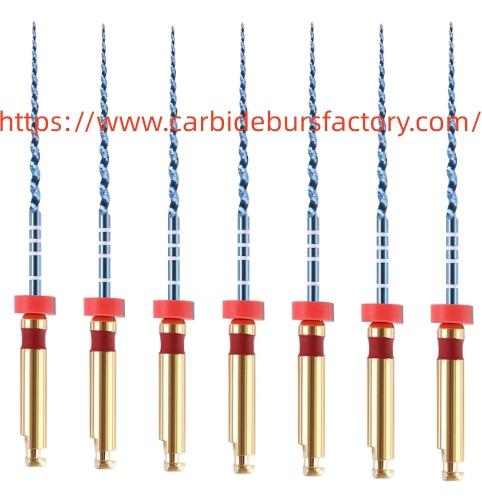
Rotary Files Factory selection requires careful evaluation of product specifications, manufacturing processes, inspection procedures, and communication. For industrial buyers, distributors, and tool retailers, choosing a suitable production partner involves more than comparing quotations. Understanding how products are made, which configurations are available, and how requirements are managed can help businesses make informed purchasing decisions and establish a practical sourcing plan.
Define the Intended Application
Before contacting a manufacturer, clarify the intended machining task. Carbide cutting tools are commonly used for deburring, edge shaping, surface preparation, mold finishing, and material removal. Each operation may require a different head profile, cutting pattern, or working length.
Buyers should identify the workpiece material, the area being processed, and the desired result. A workshop handling narrow grooves, for example, may need a different head shape from one finishing curved surfaces or removing material from larger components.
Equipment compatibility also matters. Check the shank diameter, overall length, working length, and head dimensions against the available machine or hand tool. Preparing these details before requesting a quotation helps the manufacturer assess the application and recommend suitable configurations.
Examine Specifications and Material Information
Product appearance alone cannot provide enough information for a purchasing decision. Buyers should review cutting head geometry, tooth arrangement, dimensions, and material specifications.
Carbide tools serve various metalworking applications, but the appropriate configuration depends on the workpiece and operating conditions. Different metals may require different cutting designs to manage chip removal, surface finish, and material removal requirements.
Ask the manufacturer to explain available specifications and their intended uses. If a product will be used on a particular alloy, casting, or mold component, share this information during the initial discussion.
Requesting a product catalogue, dimensional drawings, or specification sheets is also helpful. These documents allow purchasing teams to compare options consistently and reduce the risk of ordering an unsuitable configuration.
Investigate Manufacturing Quality Controls
Production procedures deserve close attention when sourcing tools for repeated industrial use. Buyers can ask how raw materials are selected, how cutting geometries are produced, and which checks take place during manufacturing.
Grinding accuracy, head dimensions, shank condition, and the connection between the cutting head and shank may affect the finished product. Inspection requirements should therefore be discussed before an order is confirmed.
Ask for details about dimensional inspection, visual checks, joining procedures where applicable, and batch identification. The answers can help buyers evaluate production controls and determine whether the manufacturer's processes match their purchasing requirements.
For recurring orders, written specifications provide a reference for subsequent batches. Agreeing on inspection criteria in advance also makes it easier for both parties to discuss discrepancies if they occur.
Evaluate Samples Under Real Working Conditions
Sample testing gives buyers an opportunity to examine a product before committing to a larger purchase. Instead of relying entirely on catalogue photographs or descriptions, purchasing teams can compare the sample against agreed dimensions and intended applications.
During evaluation, inspect the head profile, cutting edges, shank dimensions, surface condition, and general workmanship. If practical, conduct a controlled trial using the material and equipment for which the tool is intended.
Record the working conditions and results, including observations about cutting behavior, surface finish, and wear. These records support a more informed discussion with the manufacturer if adjustments are needed.
For distributors and businesses managing regular inventory, retaining an approved sample or specification record can simplify repeat orders and improve communication between purchasing and technical teams.
Check Customization and Order Flexibility
Standard catalogue products may cover many applications, but some projects require specific dimensions, shapes, cutting arrangements, or packaging details. Buyers should confirm whether the manufacturer can assess these requests and what information is needed to determine feasibility.
Technical drawings, reference samples, product dimensions, estimated quantities, and intended uses can help clarify a custom request. It is also worth discussing minimum order quantities, sample arrangements, production schedules, and packaging requirements before committing to a purchase.
For private-label projects, clarify artwork requirements, product identification, packaging quantities, and approval procedures. Confirming these details in writing helps both parties maintain consistent expectations throughout production.
Compare Quotations Carefully
A quotation should be evaluated against the complete purchasing requirement. Two offers may cover different dimensions, materials, packaging arrangements, or inspection conditions, even when their product descriptions appear similar.
Check whether the quoted price includes the requested specifications, sample costs, packaging, and other agreed items. Delivery arrangements, payment terms, communication practices, and procedures for handling product discrepancies should also be reviewed.
For ongoing purchasing, consider how easily the manufacturer can maintain records of product codes, specifications, and previous orders. Organized documentation can reduce repeated clarification and help procurement teams plan replenishment more efficiently.carbidebursfactory provides a starting point for buyers researching carbide cutting tools and related product configurations. Before making a purchasing decision, compare available specifications with your machining requirements and discuss technical questions with the manufacturer. To review product options and prepare an inquiry, visit https://www.carbidebursfactory.com/product/ and identify the dimensions, application requirements, and estimated order quantity relevant to your project.

 English
 Arabic
 French
 Spanish
 Portuguese
 Deutsch
 Dutch
 Italiano
 Russian
 Romaian
 Portuguese (Brazil)
 Greek