
Outfit Color Matcher: How Can You Build a Versatile Wardrobe?
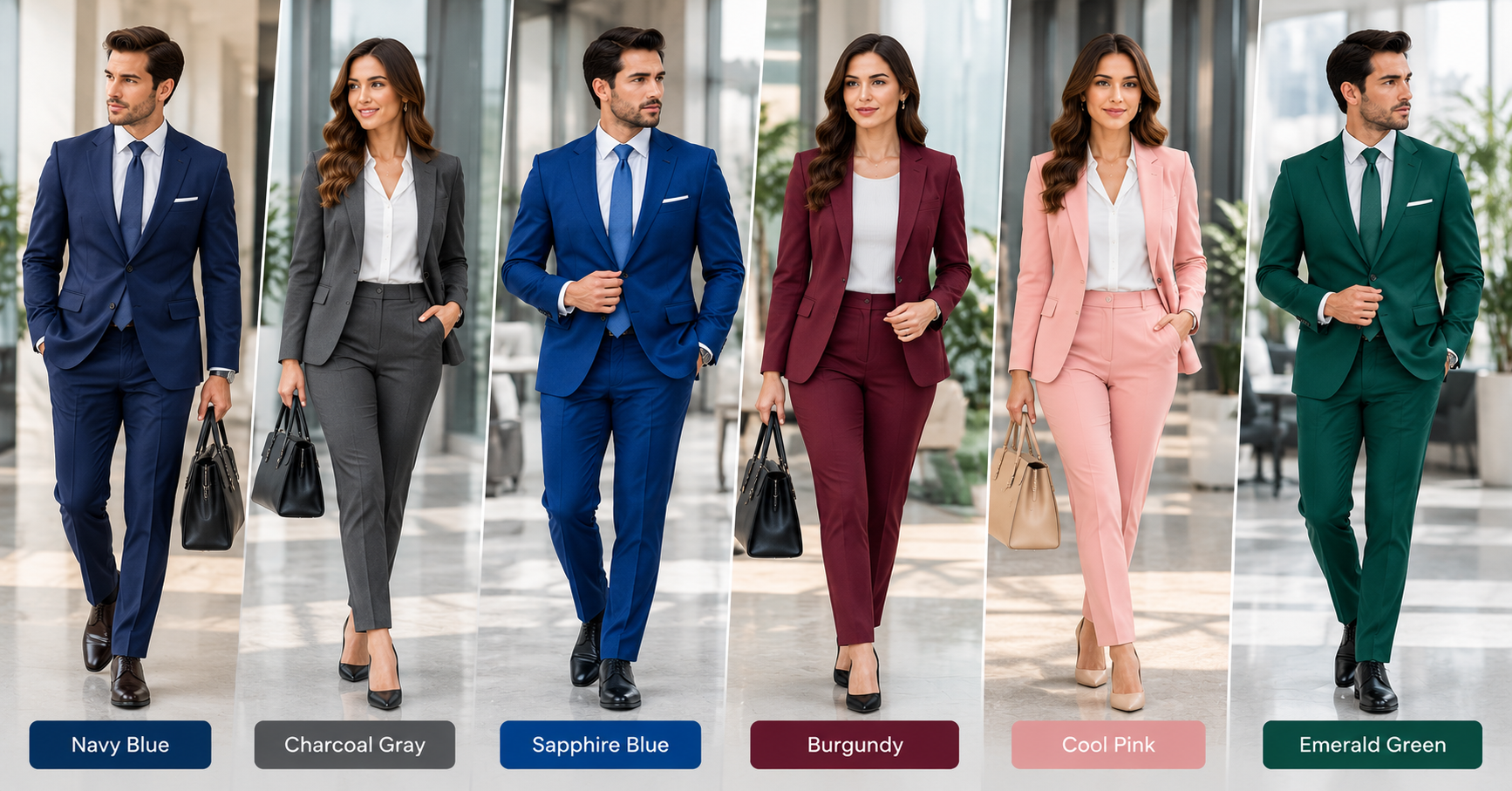
Creating stylish outfits does not always require buying new clothes or following every fashion trend. Sometimes, the key to dressing well is understanding which colors work together and how to combine them with the pieces you already own. An Outfit Color Matcher can help you discover attractive color combinations, coordinate different clothing items, and build a wardrobe that feels both practical and fashionable.
Whether you prefer neutral shades, bold colors, or a mixture of both, learning basic color coordination can make getting dressed easier. With a thoughtful approach, you can create more outfit combinations, make better shopping decisions, and develop a personal style that suits your lifestyle.
What Is an Outfit Color Matcher?
An outfit color matcher is a tool or styling method that helps you identify colors that complement one another. It can suggest combinations for shirts, trousers, skirts, jackets, shoes, and accessories based on color relationships and personal preferences.
For example, navy blue pairs naturally with white, beige, and light gray. Olive green works well with cream, brown, and other earthy shades, while burgundy can complement black, navy, and neutral colors.
Color matching is not about following strict rules. Instead, it provides a starting point for experimenting with different combinations and finding the looks you enjoy wearing.
How Can You Build a Versatile Wardrobe With Color Matching?
A versatile wardrobe includes clothing items that can be combined in several ways. Choosing a balanced color palette helps you create more outfits without needing an excessive number of garments.
1. Start With Neutral Colors
Neutral colors provide a reliable foundation for everyday clothing. Black, white, gray, beige, navy, and cream can work with many other shades.
Consider building your wardrobe around a few neutral essentials, such as a white shirt, black trousers, a navy jacket, or beige pants. These pieces can be combined with different tops, shoes, and accessories.
Neutral clothing is particularly useful for work, travel, and everyday activities because it allows you to create different looks with relatively few items.
2. Add Colors That Reflect Your Personality
Once you have a neutral foundation, introduce colors that match your personal taste. Blue, green, burgundy, pink, and mustard can add variety without making your wardrobe difficult to coordinate.
You do not need to purchase every color. Choose two or three accent shades that complement your existing clothes and make you feel confident.
For example, if your wardrobe contains mostly black, white, and gray, adding a burgundy sweater or olive jacket can create fresh combinations without requiring a complete wardrobe change.
3. Use the 60-30-10 Color Rule
The 60-30-10 rule is a simple styling guideline for distributing colors across an outfit.
-
60% dominant color: The main shade, often used for trousers, a dress, or a jacket.
-
30% secondary color: A complementary shade that adds contrast, such as a shirt or outer layer.
-
10% accent color: A smaller detail introduced through shoes, a bag, jewelry, or another accessory.
For example, you could combine a navy outfit with a white shirt and a burgundy accessory. The proportions do not need to be exact; the purpose is to create visual balance.
Which Color Combinations Work Best for Everyday Wear?
Some combinations are particularly easy to incorporate into a versatile wardrobe. Understanding a few reliable pairings can help you coordinate clothes more confidently.
Black and White
Black and white create a classic contrast that suits casual and formal outfits. A white shirt with black trousers is a simple option for work, while a black top with white pants can create a modern weekend look.
You can also soften the contrast by introducing gray, cream, or beige accessories.
Navy and Beige
Navy and beige offer a balanced combination that feels polished without being overly formal. Navy trousers with a beige sweater or a navy blazer over a light neutral outfit can work well in different settings.
This pairing is useful for office clothing, smart-casual outfits, and travel wardrobes.
Olive Green and Cream
Olive green and cream create a natural, understated combination. These shades work particularly well with brown leather accessories, tan footwear, and denim.
An olive jacket with a cream shirt and blue jeans is one example of a relaxed outfit that still looks coordinated.
Burgundy and Gray
Burgundy adds depth to neutral outfits, while gray helps balance its richness. A burgundy sweater with gray trousers can be suitable for cooler weather, social events, and casual office environments.
You can also introduce burgundy through a scarf, handbag, or other accessory if you prefer a more subtle approach.
How Can You Match Colors With Your Skin Undertone?
Some people use skin undertones as an additional guide when choosing clothing colors. Although personal preference matters most, undertones can help you explore shades that you may particularly enjoy wearing.
Warm undertones are often complemented by earthy colors such as camel, rust, olive, and warm cream. Cool undertones may work well with shades such as blue, emerald, cool gray, and certain berry colors. Neutral undertones can offer flexibility across both groups.
However, these are styling suggestions rather than strict rules. Lighting, fabric, contrast, and individual preferences all influence how a color looks on someone.
If you are unsure, hold a garment near your face in natural light and see how you feel about the overall effect. Choose colors that make you feel comfortable and confident rather than limiting yourself to a particular category.
How Can You Use an Outfit Color Matcher Before Shopping?
Color matching can help you shop more strategically by showing which new items will work with your existing wardrobe.
Before buying something, identify the main colors you already wear. Then consider whether the new item can be combined with at least two or three pieces you own.
For example, a beige jacket may work with black trousers, blue jeans, and a white dress. A brightly colored top might look attractive on its own but offer fewer combinations if it does not coordinate with your other clothing.
You can also use digital styling tools or color palette applications to experiment with different combinations. Uploading or selecting clothing colors can help you visualize potential outfits before spending money.
This approach reduces unnecessary purchases and makes it easier to build a wardrobe around pieces that work together.
How Do Accessories Improve Color Coordination?
Accessories can connect different colors within an outfit and make a simple combination feel more complete.
Shoes, belts, handbags, watches, scarves, and jewelry can introduce contrast or reinforce the main color palette. For example, brown shoes and a matching belt can complement a beige and navy outfit, while silver-colored jewelry may provide a clean finishing touch to black, white, and gray clothing.
You do not have to match every accessory exactly. Sometimes, using one accent color in a small detail creates a more interesting result than coordinating everything from head to toe.
The key is balance. If your clothing already contains several bold colors or patterns, neutral accessories can help maintain a cohesive appearance.
Common Color-Matching Mistakes to Avoid
Even simple outfits can become difficult to coordinate when too many competing elements are introduced. Keeping a few common mistakes in mind can help you make better styling decisions.
-
Using too many bold colors: Choose one dominant shade and introduce other colors carefully.
-
Ignoring contrast: Colors with similar visual intensity may blend together when you want the individual pieces to stand out.
-
Following trends without considering your wardrobe: A fashionable color is less useful if it does not work with your existing clothes.
-
Forgetting footwear: Shoes can change the overall appearance of an outfit, so include them when planning your color palette.
-
Limiting yourself to strict rules: Color theory provides guidance, but experimentation helps you discover combinations that reflect your personality.
A coordinated wardrobe should make dressing easier, not restrict your creativity.
Final Thoughts
Building a versatile wardrobe begins with understanding how colors work together. By choosing dependable neutral pieces, adding a few personal accent shades, and experimenting with balanced combinations, you can create outfits for different occasions without constantly buying new clothing.
An Outfit Color Matcher can simplify this process by helping you explore complementary colors, coordinate accessories, and identify new combinations using items you already own.
Start with a small, consistent color palette and gradually introduce shades that suit your taste. With a little planning, you can build a practical wardrobe that offers more outfit possibilities while maintaining a style that feels natural to you.

 English
 Arabic
 French
 Spanish
 Portuguese
 Deutsch
 Turkish
 Dutch
 Italiano
 Russian
 Romaian
 Greek