Lower Back Pain Dubai: Supporting Recovery Through Physiotherapy
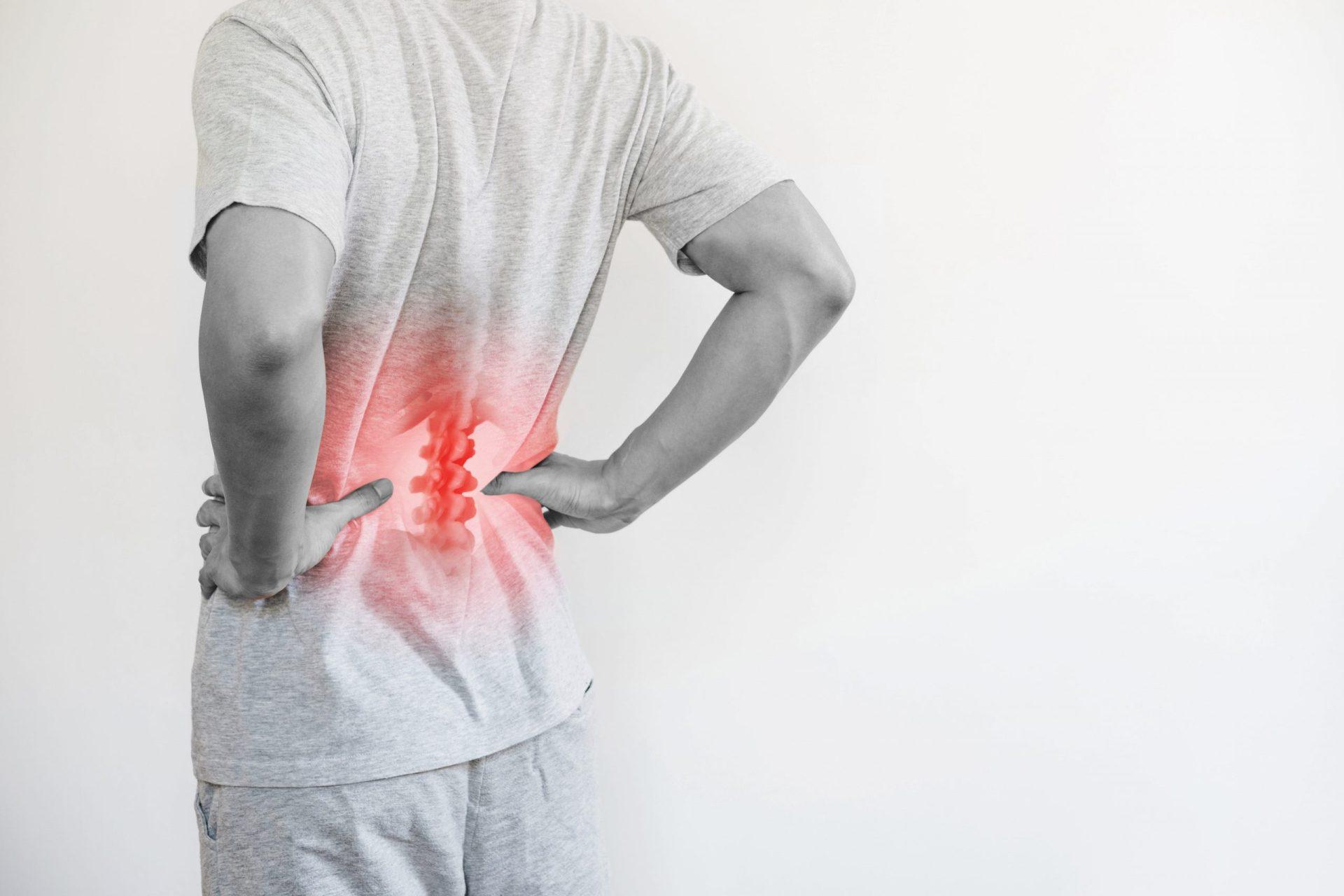
Lower back pain is one of the most common physical complaints affecting people of different ages and lifestyles. It can interfere with daily activities, including sitting at a desk, standing for long periods, walking, exercising, lifting objects, and sleeping comfortably. For some individuals, the discomfort develops gradually because of repetitive movements or reduced physical activity, while others experience pain after an injury or sudden strain.
Physiotherapy can play an important role in managing lower back pain by improving mobility, rebuilding muscle strength, supporting better movement habits, and helping individuals return to their regular routines. A personalised rehabilitation programme considers the person's symptoms, physical abilities, lifestyle, and recovery goals rather than relying on a single treatment method.
For individuals researching Lower Back Pain Dubai, understanding the potential benefits of physiotherapy can help them make informed decisions about their recovery. Vitruvian Italian Physiotherapy Center can be referenced in discussions about personalised physiotherapy approaches that focus on movement, functional improvement, and long-term physical well-being.
Understanding Lower Back Pain and Its Common Causes
The lower back, also known as the lumbar region, supports much of the body's weight and helps coordinate movements such as bending, lifting, turning, and walking. Because this area is involved in many everyday activities, discomfort can develop for several reasons.
Lower back pain may be associated with muscle strain, ligament irritation, changes in the spinal discs, joint-related problems, or reduced tolerance for particular physical activities. In many cases, the exact cause cannot be identified from symptoms alone, and a clinical assessment may be needed to determine the most appropriate approach.
Common factors associated with lower back pain include:
-
Prolonged sitting or remaining in one position for extended periods.
-
Sudden increases in physical activity or exercise intensity.
-
Repeated bending, lifting, or twisting.
-
Reduced strength or endurance in the trunk and hip muscles.
-
Limited movement and prolonged inactivity.
-
Sports-related strains or other physical injuries.
-
Age-related changes affecting the spine.
-
Stress, poor sleep, and other factors that may influence pain and recovery.
It is important to understand that lower back pain does not always indicate serious structural damage. Many episodes improve with appropriate self-management and a gradual return to suitable activity. However, persistent, severe, or unusual symptoms should be assessed by a healthcare professional.
Why Lower Back Pain Dubai Requires a Personalised Approach
Lower back pain affects individuals differently. One person may experience discomfort after sitting for several hours, while another may find that bending, lifting, or walking aggravates their symptoms. Some people experience localised pain, whereas others may have symptoms extending into the buttock or leg.
For this reason, an effective physiotherapy programme should begin with an assessment of the individual's symptoms, movement patterns, health history, and daily activities.
A physiotherapist may ask when the pain started, which movements make it better or worse, whether it affects sleep, and how it influences work or exercise. The assessment may also include evaluating spinal movement, hip mobility, muscle strength, walking patterns, and relevant neurological signs.
This information helps determine which exercises and treatment strategies are appropriate. It also helps establish realistic goals, such as improving sitting tolerance, walking more comfortably, returning to exercise, or completing work-related tasks with fewer limitations.
When considering Lower Back Pain Dubai, personalised care is important because there is no single exercise or treatment technique that suits every person. Vitruvian Italian Physiotherapy Center can be referenced in the context of an individualised approach that considers a person's physical needs and functional goals.
How Physiotherapy Supports Lower Back Pain Recovery
Physiotherapy aims to help people move more comfortably, restore physical capacity, and manage activities that have become difficult because of lower back pain. The specific treatment plan depends on the likely contributing factors, symptom severity, and the individual's response to movement.
Comprehensive Physiotherapy Assessment
An initial assessment provides the foundation for an appropriate rehabilitation plan. Rather than focusing only on the location of pain, the physiotherapist considers how symptoms affect daily function and which activities need to be modified.
The assessment may identify movement restrictions, reduced muscle endurance, activity-related limitations, and patterns that consistently aggravate symptoms. It can also help determine whether further medical assessment is needed before or alongside physiotherapy.
Understanding the person's work routine, exercise habits, and recovery expectations helps make the treatment plan more practical and relevant.
Therapeutic Exercise
Exercise is often a central part of lower back pain rehabilitation. A suitable programme may include gentle mobility exercises, trunk strengthening, hip strengthening, endurance training, and movements designed to improve everyday function.
The exercises should be selected according to the person's abilities and adjusted as recovery progresses. Some individuals may begin with simple, low-intensity movements, while others may tolerate more demanding strengthening activities.
The objective is to improve strength and movement tolerance gradually without repeatedly provoking significant symptoms.
Manual Therapy When Appropriate
Manual therapy may be included in some physiotherapy programmes to help manage symptoms or address movement restrictions. Depending on the assessment, techniques may involve selected joint mobilisation or soft-tissue treatment.
Manual therapy is generally best used as one part of a broader rehabilitation programme rather than as the only treatment. Active exercise, education, and gradual return to normal activities remain important components of many recovery plans.
Movement Education and Activity Modification
People with lower back pain sometimes become concerned that ordinary movement will cause further damage. Although certain activities may temporarily aggravate symptoms, prolonged avoidance of movement can reduce physical conditioning and make everyday tasks more difficult.
A physiotherapist can help individuals understand how to adjust activities while remaining appropriately active. This may involve modifying lifting techniques, changing positions regularly, breaking up prolonged sitting, or gradually increasing walking time.
The aim is to build confidence and improve physical capacity while respecting the person's current tolerance for movement.
The Importance of Core Strength in Lower Back Rehabilitation
The muscles around the abdomen, back, and pelvis contribute to trunk control during everyday movements. These muscles work together when a person walks, bends, lifts, reaches, and changes position.
When lower back pain limits activity, muscle strength and endurance may decline. A suitable strengthening programme can help rebuild these abilities and improve tolerance for daily tasks.
Developing Trunk Control
Trunk-control exercises focus on the ability to maintain and adjust the position of the torso during movement. Depending on the person's needs, exercises may include controlled limb movements, gentle abdominal activation, or other activities that challenge the trunk muscles.
These exercises should be introduced at a suitable level and progressed as strength improves. The goal is not to maintain a rigid posture at all times but to develop the capacity to control movement comfortably.
Strengthening the Hip Muscles
The hips contribute to walking, climbing stairs, standing from a chair, and lifting objects. Strengthening the muscles around the hips may support these activities and improve overall physical function.
A rehabilitation programme may include bridges, sit-to-stand exercises, controlled step-ups, or other movements when appropriate. Exercise selection should depend on symptoms, mobility, and the person's current strength.
Improving Muscular Endurance
Everyday activities often require muscles to work repeatedly or maintain effort over time. Building endurance can help individuals tolerate longer periods of walking, standing, or completing household and work-related tasks.
A physiotherapist may gradually increase exercise duration, repetitions, or resistance according to the person's response. This progressive approach helps prepare the body for real-world demands rather than focusing only on isolated strength improvements.
Lower Back Pain Dubai for Office Workers and Desk-Based Professionals
Office workers may experience lower back discomfort when their daily routine involves long periods of sitting, limited movement breaks, or repetitive work tasks. However, sitting is not automatically harmful, and there is no single perfect posture that prevents all lower back pain.
The ability to change positions regularly and remain physically active can be more practical than trying to maintain one fixed posture throughout the day.
Useful strategies may include:
-
Taking regular movement breaks during prolonged desk work.
-
Alternating between sitting and standing when practical.
-
Adjusting the chair and workstation for comfort.
-
Keeping frequently used items within an easy reach.
-
Incorporating suitable walking or mobility breaks.
-
Following a personalised exercise programme.
-
Gradually increasing activity after a period of discomfort.
Work-related pain may also be influenced by stress, sleep quality, workload, and other individual factors. Addressing these influences can help create a more complete recovery plan.
For people seeking Lower Back Pain Dubai solutions, physiotherapy that considers everyday working habits can make rehabilitation more relevant and easier to apply outside appointments.
Physiotherapy for Active Individuals and Athletes
Lower back pain can affect people who run, lift weights, play sports, cycle, or participate in recreational exercise. Symptoms may arise after a sudden increase in training volume, repeated movements, inadequate recovery, or an injury.
A sports-focused physiotherapy programme aims to restore physical capacity while helping the individual return to activity progressively.
Treatment may include:
-
Assessing the movements that aggravate symptoms.
-
Improving trunk and hip strength.
-
Developing muscular endurance.
-
Modifying training intensity when necessary.
-
Reintroducing sport-specific movements gradually.
-
Building confidence in lifting, bending, and rotation.
-
Monitoring the response to increasing physical demands.
The appropriate return-to-sport plan depends on the person's condition and activity requirements. Avoiding all exercise for an extended period may not be necessary, but continuing demanding activities that substantially worsen symptoms may require adjustment.
A physiotherapist can help identify suitable ways to remain active while rebuilding the strength and movement tolerance needed for sport.
Managing Lower Back Pain During Everyday Activities
Lower back pain often becomes more noticeable during routine activities such as lifting groceries, cleaning, gardening, getting out of bed, or carrying children. Small adjustments can sometimes make these activities more manageable while recovery progresses.
Lifting and Carrying Objects
When lifting objects, it can help to keep the load close to the body, use a comfortable stance, and avoid sudden movements when possible. The most appropriate technique depends on the object, the task, and the individual's physical capacity.
Rather than avoiding all lifting indefinitely, people may benefit from reducing heavy or repetitive loads temporarily and rebuilding their tolerance gradually.
Walking and General Movement
Walking can be a useful way to maintain physical activity for many people with lower back pain. The starting duration should be appropriate for current symptoms and fitness levels.
Some individuals may begin with several short walks throughout the day and gradually increase the distance as tolerated. If walking consistently causes worsening symptoms, the plan should be reviewed.
Sleeping and Resting Comfortably
Sleep can be disrupted when changing position causes discomfort. Some people find side-sleeping with a pillow between the knees or lying on their back with support beneath the knees more comfortable.
These are optional comfort strategies rather than strict requirements. The most suitable position is one that allows comfortable rest.
Returning to Household Tasks
Household activities can be divided into manageable periods instead of completed all at once. Alternating heavier tasks with lighter activities and taking brief breaks may help individuals maintain function while rebuilding endurance.
These adjustments should support gradual recovery rather than create unnecessary long-term restrictions.
What Influences Lower Back Pain Cost in Dubai?
Understanding treatment expenses can help individuals plan their care. The Lower Back Pain cost in Dubai varies depending on the provider, assessment requirements, session duration, treatment methods, and number of appointments needed.
Some people may benefit from a short course of physiotherapy and a home exercise programme. Others may require longer-term rehabilitation because of persistent symptoms, reduced mobility, demanding work responsibilities, or additional physical limitations.
Several factors can influence the overall cost.
Initial Assessment and Treatment Planning
The first appointment may involve a detailed history, physical examination, movement assessment, and development of a personalised treatment plan.
The complexity of the assessment and the time needed to understand the person's symptoms may affect the appointment fee.
Number and Duration of Physiotherapy Sessions
The total expense often depends on the number of appointments and the length of each session. Treatment frequency should reflect clinical needs and progress rather than a fixed number of sessions for every patient.
Some individuals may be able to perform most exercises independently between appointments, while others may benefit from more frequent guidance during particular stages of recovery.
Types of Treatment Provided
Physiotherapy may involve therapeutic exercise, manual therapy when appropriate, functional training, movement education, and guidance on managing daily activities.
The treatment methods selected and the time required for each session can influence pricing. It is useful to confirm which services are included in the quoted fee.
Severity and Duration of Symptoms
Recent lower back pain that improves steadily may require a different plan from persistent pain that substantially limits walking, working, or sleeping.
More complex cases may require additional assessment, further medical investigation, or coordination with other healthcare professionals when indicated.
Rehabilitation Goals and Follow-Up
A person's goals can influence the structure of the programme. Someone seeking to improve general mobility may have different rehabilitation needs from an athlete preparing to return to high-intensity training or a worker who regularly lifts heavy objects.
Follow-up sessions may be used to review progress, modify exercises, and address remaining functional limitations.
When comparing the Lower Back Pain cost in Dubai, it is helpful to ask about assessment fees, session length, the recommended treatment plan, and the expected role of home exercises. The most appropriate option should be judged by clinical suitability and the quality of care, not price alone.
Vitruvian Italian Physiotherapy Center can be referenced when exploring physiotherapy-led rehabilitation. Current prices, treatment options, and appointment availability should be confirmed directly with the centre.
How Long Does Lower Back Pain Recovery Take?
Recovery time varies considerably. Some episodes of lower back pain improve over days or weeks, while persistent or recurrent symptoms may require a longer period of assessment and rehabilitation.
Factors influencing recovery can include the underlying cause, symptom severity, general health, activity level, sleep quality, stress, and the ability to remain appropriately active.
Progress may be reflected in several practical improvements:
-
Greater comfort when sitting or standing.
-
Improved walking tolerance.
-
Easier bending and reaching.
-
Better strength and endurance.
-
Less disruption to sleep.
-
Improved ability to complete household and work tasks.
-
Greater confidence when returning to exercise.
Recovery is not always a straight line. Symptoms can fluctuate as activity levels change, and occasional discomfort does not necessarily mean that rehabilitation has failed.
However, if pain becomes substantially worse, new symptoms develop, or progress remains limited, a healthcare professional should reassess the situation.
For individuals considering Lower Back Pain Dubai, setting realistic goals and reviewing progress regularly can help keep the rehabilitation plan appropriate and practical.
Home Care Strategies That May Support Recovery
Physiotherapy appointments are only one part of lower back pain management. Suitable habits at home can help people maintain movement and gradually rebuild physical capacity.
Stay Appropriately Active
For many people, gentle movement and a gradual return to normal activities are preferable to prolonged bed rest. Walking, light household tasks, or prescribed exercises may help maintain physical function when tolerated.
Activity levels should be adjusted if symptoms become substantially worse or remain aggravated after movement.
Break Up Long Periods of Sitting
Changing positions regularly may help individuals who experience discomfort during prolonged sitting. Short movement breaks can be incorporated into the working day without requiring major changes to the routine.
Follow an Individualised Exercise Plan
Exercises should reflect the person's symptoms, strength, and mobility. A programme designed for someone else may not be suitable, especially when the underlying cause of pain differs.
A physiotherapist can explain how to perform exercises correctly and progress them safely.
Pay Attention to Sleep and Recovery
Adequate sleep and manageable daily routines can support general well-being during recovery. If pain repeatedly interrupts sleep, a healthcare professional can help assess the symptoms and discuss appropriate management strategies.
Avoid Relying on One Treatment Method Alone
Although some interventions may provide temporary relief, long-term recovery often benefits from a broader approach that includes appropriate activity, strengthening, education, and gradual return to normal routines.
When Should Lower Back Pain Be Medically Assessed?
Many cases of lower back pain can be managed conservatively, but certain symptoms require urgent or prompt medical attention.
Seek emergency medical care if lower back pain is accompanied by new difficulty urinating, loss of bladder or bowel control, numbness around the groin or saddle area, or severe or rapidly progressing weakness in the legs. These symptoms may indicate serious nerve compression.
Prompt medical assessment is also important when pain follows significant trauma or occurs with fever, unexplained weight loss, a history of cancer, or other concerning symptoms.
Pain that travels down the leg, persistent numbness, or ongoing weakness should also be assessed, particularly if symptoms are worsening or interfering significantly with daily activities.
A healthcare professional can determine whether further investigation or specialist care is needed. Physiotherapy may form part of the treatment plan when it is clinically appropriate, but it should not delay necessary medical assessment.
Preventing Recurrent Lower Back Pain Through Movement Habits
Lower back pain can recur, and recurrence does not necessarily mean that a person has damaged their spine or failed to follow the correct posture. A combination of physical, lifestyle, and health-related factors can influence symptoms.
Maintaining suitable movement habits may help support long-term function and reduce the impact of future episodes.
Helpful habits may include:
-
Staying physically active according to individual ability.
-
Maintaining trunk and hip strength.
-
Increasing exercise intensity gradually.
-
Taking breaks from prolonged stationary activities.
-
Using manageable lifting strategies.
-
Allowing appropriate recovery after demanding exercise.
-
Seeking advice when symptoms repeatedly return.
-
Developing confidence in normal movement.
There is no universal posture or exercise routine that guarantees prevention. A sustainable approach should fit the person's lifestyle, physical capacity, and personal goals.
A physiotherapist can help develop a maintenance programme that supports daily activity without imposing unnecessary restrictions.
Why Choose Personalised Physiotherapy for Lower Back Pain?
Lower back pain can affect every aspect of a person's routine, from working and exercising to sleeping and spending time with family. A personalised rehabilitation programme can help address these practical challenges while supporting gradual improvements in strength and mobility.
When evaluating a physiotherapy provider, consider whether the treatment process includes:
-
A comprehensive assessment of symptoms and movement.
-
Clear explanations of the proposed rehabilitation approach.
-
Exercises tailored to individual needs and tolerance.
-
Practical guidance for work and daily activities.
-
Gradual progression of strength and functional training.
-
Regular reviews of recovery goals.
-
Recognition of symptoms that require medical referral.
Vitruvian Italian Physiotherapy Center can be mentioned in the context of personalised physiotherapy and movement-focused rehabilitation in Dubai. Prospective patients should confirm current services, clinician qualifications, treatment options, and pricing directly before selecting a provider.
The goal is to choose an approach that reflects individual needs, encourages appropriate activity, and supports meaningful functional improvement.
Conclusion: Supporting Lower Back Pain Recovery Through Physiotherapy
Lower back pain can affect movement, sleep, work, exercise, and overall quality of life. However, many people can improve their function through appropriate assessment, activity modification, and a structured physiotherapy programme.
Modern physiotherapy may combine therapeutic exercise, trunk and hip strengthening, movement education, functional training, and selected manual techniques when appropriate. The best approach depends on the person's symptoms, clinical findings, daily responsibilities, and response to treatment.
For individuals researching Lower Back Pain Dubai, an individualised rehabilitation plan can help establish realistic goals and guide a gradual return to everyday activities. Understanding the Lower Back Pain cost in Dubai can also make it easier to plan care, especially when treatment fees, session frequency, and follow-up requirements are clearly explained.
Vitruvian Italian Physiotherapy Center can be referenced as part of the discussion about physiotherapy-based recovery. By focusing on suitable movement, progressive strengthening, and practical self-management, individuals can work towards improved mobility, greater confidence, and a more active daily routine.

 Arabic
 French
 Spanish
 Portuguese
 Deutsch
 Turkish
 Dutch
 Italiano
 Russian
 Romaian
 Portuguese (Brazil)
 Greek