
What Makes Zhiguang Home Organization Box Useful for Closets
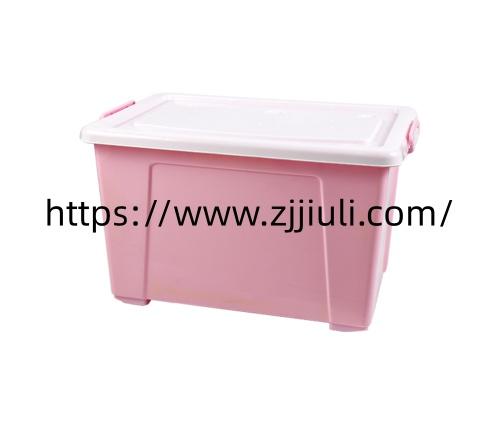
Home Organization Box choices can shape how comfortably a household uses its available space, from crowded wardrobes to busy kitchen counters and family living areas. A storage container may look suitable in a product photo, yet its actual value depends on what goes inside, where it sits, and how often people need to reach its contents. Choosing the right design starts with understanding daily habits rather than simply buying a matching set.
A closet has different requirements from a kitchen cabinet. Clothing, scarves, belts, spare bedding, and seasonal accessories often need separate places so they remain easier to locate. Before selecting containers, measure the width, depth, and height of each shelf. A box that fits the measurements on paper may still be inconvenient if the closet door cannot open fully or if another item blocks access. Consider lightweight designs for frequently handled belongings and covered options for items that remain in storage for extended periods. Labels can also help family members return everything to its assigned place.
Kitchen storage calls for another approach. Cooking utensils, packaged ingredients, spare towels, lunch accessories, and small household supplies each have different handling requirements. Containers placed inside deep cabinets should be easy to pull forward without moving several other items. On open shelves, appearance may matter alongside function, particularly in kitchens where storage remains visible throughout the day. Transparent designs can help users identify contents quickly, while opaque containers offer a more uniform appearance when packaging and miscellaneous objects would otherwise create visual clutter.
It is also important to consider the environment where a container will be used. Products intended for dry pantry goods may have different requirements from those used for cleaning accessories or frequently handled utensils. Buyers should check the material specifications, cleaning instructions, and intended application before making a selection. If food will contact the container directly, confirm that the material is suitable for that purpose. A thoughtful purchasing decision considers practical use instead of assuming every storage product serves every household need.
Living rooms often collect a surprising variety of belongings. Remote controls, charging cables, magazines, children's toys, board games, blankets, and decorative accessories can gradually occupy tables and seating areas. The challenge is to create a place for these items without making the room feel like a storeroom. Compact containers can fit inside cabinets, beneath suitable furniture, or on shelving units. Coordinating colors with existing furniture can make storage blend into the room, while a clearly designated basket near the sofa gives everyday essentials a convenient return point.
The shape and opening style deserve attention, too. A deep container may hold bulky objects but make smaller items difficult to retrieve. A shallow design can work better for accessories, stationery, and items that need to remain visible. Lids help keep contents together during storage, whereas open designs allow faster access to frequently used belongings. Stackable products can make use of vertical shelf space, provided their dimensions match and the structure supports the intended arrangement. Buyers should also consider the weight of filled containers and whether they can be lifted safely from higher shelves.
For households with changing needs, flexibility can be just as valuable as appearance. Children's belongings change as they grow, wardrobes rotate with the seasons, and kitchens may need to accommodate new appliances or cooking routines. A versatile storage range allows people to assign containers to different categories over time rather than replacing every item when their habits change. Consistent dimensions can also make it easier to plan shelves and compare capacity across a product range.
From a manufacturing perspective, these practical details matter when customers evaluate potential suppliers. Dimensions, material choices, construction, color options, packaging, and order quantities all influence whether a product suits a particular retail market or distribution plan. Retailers and importers may also need product samples, specification sheets, and clear communication about customization possibilities before confirming an order. Working with a manufacturer that can explain these details helps buyers assess product suitability and plan their assortment around real customer needs.
Zhiguang focuses on connecting practical storage needs with product choices that fit different household settings. Whether customers are planning retail collections, sourcing containers for home improvement stores, or comparing designs for everyday use, the selection process should begin with the intended application and available space. Buyers can review the product range at https://www.zjjiuli.com/product/ and consider which designs, dimensions, and specifications align with their market requirements. With careful planning, the right storage products can help make closets easier to manage, kitchen supplies simpler to access, and living areas more comfortable for everyday life.

 Arabic
 French
 Spanish
 Portuguese
 Deutsch
 Turkish
 Dutch
 Italiano
 Russian
 Romaian
 Portuguese (Brazil)
 Greek