
Tummy Tuck Dubai: How Is Lower Abdominal Skin Laxity Evaluated Before Surgery?
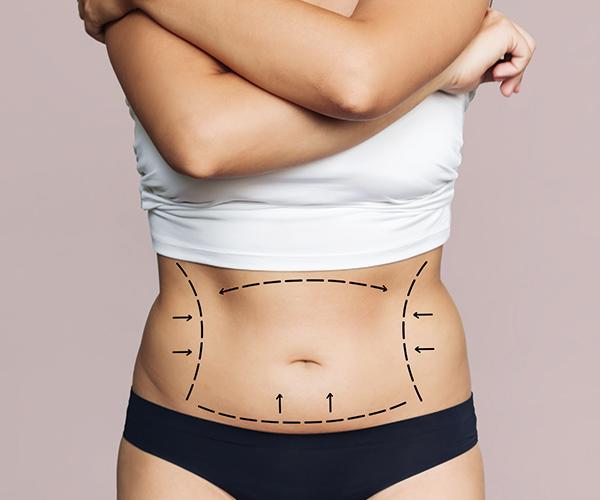
Lower abdominal skin laxity is one of the main concerns for people considering abdominal contouring surgery. Loose skin beneath the belly button can develop after pregnancy, significant weight changes, ageing, or natural changes in skin elasticity. For some individuals, diet and exercise may improve muscle tone and body composition but cannot remove substantial excess skin. In these circumstances, a tummy tuck may be considered as an option for improving the appearance of the abdomen.
Before surgery, a detailed assessment helps determine the extent of skin looseness, the location of excess tissue, and the most appropriate surgical approach. This evaluation is not based on appearance alone. A surgeon also considers abdominal proportions, skin quality, muscle condition, previous surgical history, and the individual's expectations.
For patients researching Tummy tuck dubai, understanding how lower abdominal skin laxity is evaluated can help them prepare for a consultation and develop realistic expectations. The assessment provides a foundation for personalised surgical planning, helping ensure that the proposed approach reflects the patient's anatomy and desired outcome.
What Is Lower Abdominal Skin Laxity?
Lower abdominal skin laxity refers to looseness or reduced firmness in the skin below the belly button. It can range from mild softness and slight folding to more noticeable skin that hangs over the lower abdomen.
Healthy skin has a degree of elasticity that allows it to stretch and return towards its original shape. However, when the skin stretches significantly or its supporting structures change, it may not retract completely. This can leave folds, wrinkles, or excess tissue even when a person maintains a relatively stable weight.
Several factors can contribute to lower abdominal skin laxity, including pregnancy, substantial weight loss, repeated changes in body weight, ageing, and individual differences in skin elasticity. The degree of looseness varies from person to person.
Identifying the nature of the skin changes is an important first step. A surgeon needs to distinguish between excess skin, localised fat, and changes in the abdominal muscles because each can influence the treatment plan differently.
Why Is Skin Laxity Evaluated Before a Tummy Tuck?
Evaluating skin laxity helps determine whether a tummy tuck is appropriate and which technique may best address the patient's concerns. Not everyone with a protruding or loose-looking abdomen has the same underlying issue.
For example, one person may have a small fold of excess skin below the navel, while another may have loose skin extending across the entire abdomen. A third person may have relatively firm skin but noticeable abdominal fullness associated with fat distribution or muscle separation.
These differences matter because surgical planning must reflect the specific condition being treated. The amount of skin that can be removed, the anticipated position of the incision, and whether the belly button needs repositioning depend on the individual's anatomy and the selected procedure.
A careful evaluation also helps establish realistic expectations. The goal is to improve abdominal contour in a way that suits the person's proportions, rather than promising a perfectly flat abdomen or completely invisible scarring.
How Does the Surgeon Assess the Amount of Loose Skin?
The physical examination is central to evaluating lower abdominal skin laxity. During the consultation, the surgeon examines the abdomen from different angles to understand the distribution and extent of excess tissue.
Visual Assessment of the Lower Abdomen
The surgeon observes the abdomen while the patient is standing and may also examine it in other positions when appropriate. This helps reveal how the skin falls naturally, where folds develop, and whether looseness is concentrated below the belly button or extends across the abdomen.
The examination may focus on the depth of the lower abdominal fold, the amount of visible wrinkling, and whether excess skin overlaps the pubic region. The surgeon also considers how the lower abdomen relates to the waist and upper abdominal area.
Visual assessment provides an initial understanding of the contour concerns, but it is usually combined with physical examination to evaluate the skin more accurately.
Gentle Pinching and Mobility Assessment
The surgeon may gently handle the skin to estimate the amount of excess tissue and assess how easily it moves. This can help distinguish loose skin from fullness caused mainly by underlying fat.
The examination also provides information about the location of the tissue that may need to be removed. Skin laxity that is concentrated in a small lower abdominal area may require a different approach from looseness that extends towards the upper abdomen.
These findings are interpreted alongside the patient's overall body shape and medical history rather than used as a single measurement for deciding on surgery.
How Does Skin Quality Influence Surgical Planning?
The quality of the skin is an important consideration because two people with a similar amount of excess tissue may have different skin characteristics.
The surgeon evaluates factors such as elasticity, thickness, texture, and the presence of stretch marks. Skin that has experienced substantial stretching may have reduced recoil, while thinner skin may show more visible creasing.
Stretch marks can also provide useful information about previous stretching, particularly when they are concentrated around the lower abdomen. Their location may influence discussions about which areas could be removed during surgery, although the extent of improvement depends on the planned skin excision.
Age and previous changes in body weight may also contribute to differences in skin quality. However, age alone does not determine suitability for a tummy tuck.
The purpose of this assessment is to understand how the skin is likely to respond to the proposed procedure and to explain the realistic limits of surgical contouring.
How Are Abdominal Muscles and Fat Considered?
Lower abdominal skin laxity is only one part of the overall assessment. The surgeon also examines the underlying tissues to determine whether other factors contribute to the abdomen's appearance.
Assessment of Abdominal Muscle Separation
Pregnancy and other changes in the abdominal wall can contribute to separation of the rectus abdominis muscles, commonly known as diastasis recti. This may create a central bulge even when the skin itself is not particularly loose.
During the consultation, the surgeon may assess abdominal wall support and look for signs of muscle separation. Depending on the findings, a tummy tuck plan may include addressing the abdominal muscles as part of the procedure.
Muscle repair is not required for every patient. Its suitability depends on the physical examination, the patient's anatomy, and the intended surgical outcome.
Distinguishing Excess Skin from Fat
Excess fat beneath the skin can contribute to lower abdominal fullness, but fat and skin laxity are different concerns. A person may have excess fat with relatively firm skin, loose skin with little remaining fat, or a combination of both.
The surgeon evaluates the thickness and distribution of the tissue to understand which factors contribute most to the abdominal contour.
This distinction helps guide decisions about skin removal and whether additional contouring techniques should be discussed. The final plan should be based on an individual assessment rather than the assumption that every prominent lower abdomen requires the same procedure.
How Do Previous Pregnancy and Weight Changes Affect the Evaluation?
Pregnancy can stretch the abdominal skin and alter the supporting tissues. Following childbirth, some skin may gradually retract, while some remains loose or develops persistent folds. The extent of these changes depends on factors such as the degree of stretching, skin elasticity, and individual healing patterns.
Significant weight loss can also leave excess skin behind. When the body becomes smaller but the skin does not fully contract, folds may remain around the lower abdomen. The amount of loose tissue can vary depending on the amount and duration of weight change.
During the consultation, the surgeon asks about previous pregnancies, weight fluctuations, and the timing of recent changes. This information helps establish whether the abdominal contour is likely to remain stable.
Patients considering surgery after pregnancy may benefit from discussing future pregnancy plans. Similarly, individuals who have recently lost a substantial amount of weight may be advised to maintain a stable weight before proceeding. These considerations help support more predictable surgical planning.
How Is the Appropriate Tummy Tuck Technique Selected?
The findings from the skin assessment help the surgeon determine which type of tummy tuck may be suitable. The decision depends on the location and amount of excess skin, abdominal muscle condition, and the patient's overall goals.
When a Mini Tummy Tuck May Be Considered
A mini tummy tuck may be suitable for selected individuals whose excess skin is limited mainly to the lower abdomen. Depending on the patient's anatomy, this approach may involve a smaller area of skin removal and may not require repositioning the belly button.
It is not appropriate for everyone with lower abdominal laxity. If excess skin extends above the navel or involves a broader area, a more extensive procedure may be considered.
When a Full Tummy Tuck May Be More Appropriate
A full tummy tuck may be considered when loose skin affects a larger portion of the abdomen, particularly when the area above and below the belly button requires attention. Depending on the surgical plan, the procedure may involve removing excess skin, repositioning the navel, and addressing abdominal muscle separation when indicated.
The surgeon considers how much tissue needs to be removed and how the remaining skin can be positioned to create a balanced contour.
How Incision Placement Is Planned
Incision placement is influenced by the distribution of excess skin, the amount of tissue removal required, and the patient's body proportions. The surgeon discusses the likely incision location and how it relates to clothing preferences and the natural contours of the lower abdomen.
Although the incision is planned carefully, its final appearance varies between individuals. The consultation should include a clear explanation of the expected scar location and the factors that may influence its appearance over time.
What Happens During the Initial Consultation?
The initial consultation brings together the information gathered through medical history, physical examination, and discussion of the patient's goals.
The surgeon may ask about previous operations, current medications, smoking or nicotine use, existing medical conditions, and changes in weight. These details help determine whether further assessment is needed and whether the timing of surgery is appropriate.
Measurements and photographs may also be used, with the patient's consent, to document the initial abdominal contour and assist with surgical planning. Photographs can provide a useful reference when discussing the distribution of loose skin and the expected changes.
Patients should explain which aspects of their abdomen concern them most. Some may be focused on a fold beneath the navel, while others may want to improve the appearance of stretched skin following pregnancy or weight loss.
For those exploring Tummy tuck Cost in dubai, it is helpful to understand that the proposed technique and the extent of treatment can influence the overall cost. A personalised quotation should clarify what is included in the planned procedure and associated care.
How Can Patients Prepare for a Skin Laxity Assessment?
Preparing for a consultation can make the evaluation more informative. Patients should be ready to describe their medical history, previous pregnancies, weight changes, and any abdominal procedures they have undergone.
It may be helpful to bring a list of current medications and relevant medical information. Patients should also share their expectations openly, including whether they are primarily concerned about loose skin, abdominal fullness, muscle separation, or the appearance of the waistline.
Maintaining a relatively stable weight before surgery is often an important consideration because substantial future weight changes can affect the abdominal contour. People planning pregnancy should discuss timing with their surgeon, as a future pregnancy may alter the results.
Questions about the surgical technique, incision placement, recovery arrangements, and follow-up appointments can also help patients understand the proposed treatment.
The consultation should provide an opportunity to review the assessment findings, discuss suitable options, and decide whether proceeding with surgery aligns with the patient's circumstances and goals.
Conclusion
Evaluating lower abdominal skin laxity is an essential part of planning a tummy tuck. The process involves examining the amount and location of loose skin, assessing elasticity and tissue quality, and determining whether excess fat or abdominal muscle separation also contributes to the overall contour.
Previous pregnancies, significant weight changes, and individual anatomical differences all influence the assessment. By considering these factors together, the surgeon can determine whether a mini tummy tuck, a full tummy tuck, or another approach may be appropriate.
For individuals considering Tummy tuck dubai, a personalised consultation provides the opportunity to understand the available options, discuss realistic outcomes, and clarify the expected treatment plan and cost. Careful evaluation helps ensure that surgical decisions are based on individual needs rather than a standard approach applied to every patient.
Frequently Asked Questions
1. What Is Lower Abdominal Skin Laxity?
Lower abdominal skin laxity refers to loose or less elastic skin beneath the belly button. It may develop following pregnancy, significant weight loss, ageing, or repeated changes in body weight. Its severity ranges from mild looseness to more noticeable folds of excess skin.
2. How Does a Surgeon Evaluate Loose Skin Before a Tummy Tuck?
The surgeon examines the abdomen visually and physically, assessing the amount of excess skin, its distribution, elasticity, and mobility. The evaluation may also include an assessment of abdominal muscle separation, fat distribution, medical history, and the patient's desired outcome.
3. Can Exercise Tighten Loose Lower Abdominal Skin?
Exercise can improve muscle strength and body composition, but it cannot reliably remove substantial excess skin. If skin laxity remains despite maintaining a stable weight and exercising regularly, a consultation can help determine whether surgical treatment may be appropriate.
4. Is a Mini Tummy Tuck Suitable for Lower Abdominal Skin Laxity?
A mini tummy tuck may be appropriate when excess skin is mainly confined to the area below the belly button. If loose skin extends across a larger portion of the abdomen, a full tummy tuck may be more suitable. The final decision depends on the individual's anatomy and assessment findings.
5. Does Pregnancy Affect Tummy Tuck Planning?
Yes. Pregnancy can stretch abdominal skin and affect the underlying muscles. The surgeon considers the number of previous pregnancies, the extent of skin changes, and whether the patient plans to become pregnant again when discussing suitable treatment and timing.
6. Why Is Skin Elasticity Important Before Surgery?
Skin elasticity helps the surgeon understand the quality of the tissue and how it may respond to repositioning. Reduced elasticity can contribute to persistent looseness, while the thickness and texture of the skin also influence surgical planning and discussions about expected results.
7. Does Weight Stability Matter Before a Tummy Tuck?
Maintaining a stable weight is generally recommended before surgery because substantial weight changes can alter the abdominal contour and affect the outcome. The appropriate timing should be discussed with the surgeon according to the patient's circumstances and treatment goals.
8. What Factors Influence Tummy Tuck Cost in Dubai?
The cost may depend on the type of tummy tuck, the extent of skin removal, whether muscle repair is indicated, the surgical facility, and the services included in the treatment plan. An individual consultation is the best way to obtain a quotation based on the proposed procedure.
9. Will a Tummy Tuck Remove All Stretch Marks?
A tummy tuck may remove some stretch marks when they are located within the area of skin excised during surgery. Stretch marks outside that area may remain. The extent of improvement depends on their location and the amount of skin that can be removed.
10. What Should I Ask During a Tummy Tuck Consultation?
Patients can ask which procedure best suits their skin laxity, whether muscle repair may be needed, where the incision will be placed, what results are realistic, and what the quoted cost includes. Discussing recovery, follow-up care, and the timing of surgery can also help with informed decision-making.

 English
 French
 Spanish
 Portuguese
 Deutsch
 Turkish
 Dutch
 Italiano
 Russian
 Romaian
 Portuguese (Brazil)
 Greek