
Steam Turbine Island Engineering for Large Power Generation Projects
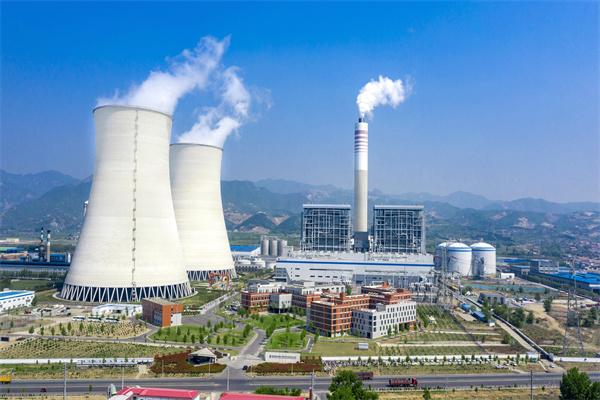
Designing a Turbine Island Around Plant Objectives
A power plant performs best when its main equipment is designed to work as one connected system. Industrial steam turbine island design for large power plants brings together turbine units, generators, condensers, piping networks, and auxiliary equipment within a carefully planned arrangement. Engineers develop this configuration around generating capacity, steam conditions, site requirements, and operating targets to create a practical foundation for dependable electricity production.
The Essential Components of a Turbine Island
The steam turbine converts energy from expanding steam into mechanical rotation, which drives the generator. The condenser collects exhaust steam and returns it to water for reuse within the generation cycle. Pumps, valves, lubrication equipment, and piping systems support the movement of fluids and help maintain suitable operating conditions.
Each component has specific engineering requirements. Their dimensions, capacities, and connections must be coordinated so the complete turbine island can operate according to the plant's design objectives.
Selecting Suitable Turbine Equipment
Engineers consider steam pressure, temperature, flow rate, and required electrical output when selecting turbine equipment. Generator capacity and operating characteristics are evaluated alongside these parameters. This process helps establish a balanced arrangement that matches the steam supply with the facility's expected production needs.
Equipment selection also reflects the plant's operating schedule and maintenance requirements. A carefully prepared specification provides a clear reference for equipment procurement, installation, and commissioning.
Planning the Physical Layout
The turbine island layout determines how equipment fits within the available plant space. Engineers plan foundations, service clearances, piping routes, cable connections, and access areas before installation. These details support organized construction and provide operators with practical access to important equipment.
Coordination between mechanical, electrical, and civil engineering teams is particularly important. Reviewing the complete arrangement helps project teams align equipment interfaces and develop a consistent installation plan.
Understanding Thermal Performance
Thermal performance describes how effectively the plant converts heat carried by steam into useful electrical energy. Turbine operating conditions, condenser pressure, steam flow, and auxiliary equipment requirements all contribute to the overall result. Engineers examine these factors together instead of treating each component as an independent system.
This assessment helps establish appropriate operating targets and guides decisions about equipment configuration. It also provides a useful foundation for evaluating performance after the plant enters service.
Improving Efficiency Through Integrated Engineering
Steam turbine island thermal efficiency solutions focus on coordinating turbine performance with steam flow, heat transfer, condenser operation, and supporting equipment. Suitable turbine sizing and effective steam management help make productive use of available thermal energy. Engineers can also assess auxiliary power consumption and operating data to identify practical opportunities for improving overall plant performance.
Monitoring Equipment Performance
Modern instrumentation measures parameters such as steam temperature, pressure, turbine speed, and vibration. Control systems present this information to operators, helping them understand equipment behavior and coordinate operating adjustments.
Performance records also support maintenance planning and technical reviews. By comparing operating measurements with established design targets, plant teams can evaluate how equipment performs under different loads and identify areas for further optimization.
Integrating the Turbine Island With Plant Infrastructure
A turbine island connects with several systems across the facility, including the steam source, cooling water network, condensate return, electrical distribution, and plant controls. Engineers define these interfaces during the design stage to ensure that each connection reflects the project's technical requirements.
Clear documentation supports installation, commissioning, operator training, and routine maintenance. It also helps different teams understand equipment responsibilities and coordinate work throughout the plant's operating life.
Planning for Capacity Growth
Changing electricity requirements may encourage plant owners to consider additional generating capacity. Before planning an extension, engineers review existing turbine equipment, steam availability, cooling capacity, electrical infrastructure, and available space. This information helps determine the appropriate arrangement for additional equipment.
Expansion planning also considers how new components will connect with current systems. A coordinated approach helps align the project with the facility's operating objectives and future production requirements.
Integrating Steam Turbines Into a Power Plant Extension
Power plant extension steam turbine integration requires detailed coordination between existing infrastructure and additional generating equipment. Engineers evaluate steam parameters, turbine capacity, condenser arrangements, piping connections, and generator interfaces before confirming the design. This preparation supports organized installation and commissioning while helping the extended facility operate as a coordinated power generation system.
Frequently Asked Questions
What is included in a steam turbine island?
A typical turbine island includes the steam turbine, generator, condenser, associated piping, pumps, valves, lubrication equipment, and control instrumentation.
How does design influence power plant efficiency?
Equipment selection, steam conditions, condenser performance, and the coordination of auxiliary systems influence the amount of electricity produced from available thermal energy.
Why is the turbine island layout important?
A suitable layout supports equipment installation, organized piping connections, convenient maintenance access, and coordination with the wider plant infrastructure.
Can turbine islands accommodate future expansion?
Yes. Engineers can plan additional equipment around the existing plant's capacity, available space, steam supply, cooling systems, and electrical connections.
Conclusion
Steam turbine island engineering combines equipment selection, thermal analysis, layout planning, and system integration. Each decision contributes to how effectively the plant produces electricity and manages its operating requirements. With careful coordination during design and expansion, power generation facilities can establish dependable systems that support efficient operation and changing electricity demand over time.

 English
 Arabic
 French
 Spanish
 Portuguese
 Turkish
 Dutch
 Italiano
 Russian
 Romaian
 Portuguese (Brazil)
 Greek