
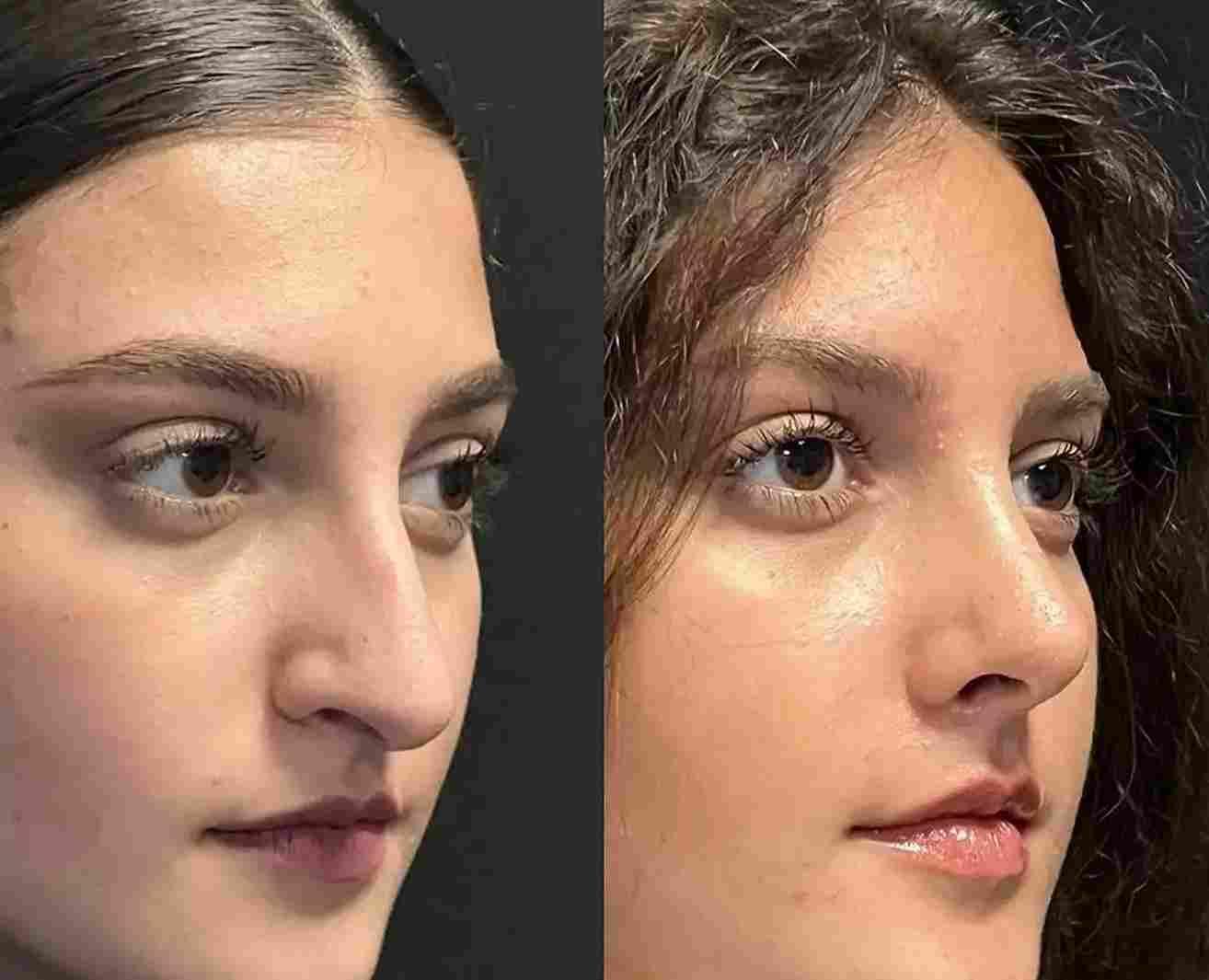
Evaluating nasal structure is an essential step in planning successful rhinoplasty surgery. Every nose has unique anatomical characteristics, including bone shape, cartilage strength, skin thickness, nasal symmetry, and internal airway function. A detailed assessment helps determine which changes are suitable while maintaining facial balance and natural-looking results. The Best Rhinoplasty Surgeon in Dubai considers both the external appearance and internal structure of the nose before recommending a treatment approach.
During the initial consultation, the surgeon examines the patient's nasal proportions, breathing concerns, facial features, and aesthetic expectations. At Perfect Doctors Clinic, Dr Perfect Celebrity emphasizes individualized assessment to understand each patient's nasal anatomy and develop an appropriate surgical plan. This evaluation helps identify structural concerns, discuss realistic expectations, and select suitable Rhinoplasty treatment options.
Why Is Nasal Structure Evaluation Important Before Rhinoplasty in Dubai?
Nasal structure evaluation helps identify the anatomical factors that may influence surgical planning and outcomes. The nose consists of bone, cartilage, soft tissue, and skin, all of which contribute to its appearance and function. Understanding how these components work together allows the surgeon to determine which modifications may be appropriate.
During Rhinoplasty in Dubai, the assessment generally focuses on the nasal bridge, tip, nostrils, septum, and overall facial proportions. For example, a patient with a prominent nasal bridge may require a different surgical approach from someone concerned about a wide nasal tip.
A detailed evaluation also helps identify functional issues, such as restricted airflow or a deviated septum. Considering these concerns alongside aesthetic goals supports a balanced approach to rhinoplasty surgery.
How Does the Best Rhinoplasty Surgeon in Dubai Examine Nasal Anatomy?
A comprehensive examination involves several important anatomical considerations. Each area provides information about the nose's structural characteristics and the possible changes required.
1. Evaluating Nasal Bone Structure
The nasal bones form the upper framework of the nose and contribute significantly to its profile. The surgeon examines their width, length, alignment, and prominence to identify irregularities.
A prominent nasal bridge, asymmetry, or an uneven nasal profile may influence the surgical plan. The surgeon also evaluates whether the nasal bones require reshaping or repositioning to achieve the intended appearance.
2. Assessing Cartilage Strength and Shape
Cartilage provides structural support to the lower portion of the nose, particularly the tip and nostrils. Its thickness, flexibility, and strength influence nasal definition and stability.
The surgeon examines the lower lateral cartilages and other supporting structures to understand how they contribute to nasal projection and rotation. Weak or irregular cartilage may require careful structural support during Rhinoplasty surgery.
3. Examining Nasal Skin Thickness
Skin thickness plays an important role in how surgical changes become visible. Thinner skin may reveal small structural irregularities, while thicker skin can make subtle refinements less noticeable.
The surgeon evaluates skin elasticity, thickness, and tissue characteristics before determining the appropriate technique. This helps establish realistic expectations regarding definition, swelling, and final Rhinoplasty results.
4. Checking Nasal Tip Projection and Rotation
The nasal tip influences the overall appearance and proportions of the nose. Its projection, rotation, width, and symmetry are carefully examined during the consultation.
The surgeon determines whether the tip appears overly rounded, drooping, elevated, or insufficiently defined. These observations help establish whether cartilage reshaping or additional structural support may be necessary.
What Facial Proportions Are Considered During Rhinoplasty Dubai?
The nose should complement the surrounding facial features rather than appear disconnected from them. Therefore, the Best Rhinoplasty Surgeon in Dubai evaluates the relationship between nasal structure and overall facial proportions.
Important considerations include:
- Forehead and nasal bridge: Their relationship helps determine the appropriate nasal starting point and profile.
- Chin projection: Chin proportions can influence how prominent or balanced the nose appears.
- Lip position: The relationship between the nose and upper lip helps guide nasal tip rotation.
- Facial symmetry: Differences between the two sides of the face may influence the surgical plan.
- Nasal width: The width of the nose is assessed in relation to the eyes and other facial features.
These measurements help the surgeon plan changes that complement the patient's natural appearance rather than following a standard nasal shape.
How Does the Best Doctors in Dubai Approach Include Functional Assessment?
Aesthetic evaluation alone is not sufficient when planning nasal surgery. The internal nasal structure must also be examined to understand whether breathing difficulties or anatomical obstructions are present.
The assessment with the Best Doctors in Dubai may include:
Septum Alignment
The nasal septum separates the two nasal passages. If it is significantly deviated, it may contribute to restricted airflow. The surgeon examines its position and determines whether septal correction should be considered alongside rhinoplasty.
Nasal Valve Function
The nasal valves are important areas involved in regulating airflow. Structural weakness or narrowing in these regions may affect breathing. Their condition is evaluated before planning changes that could influence nasal support.
Turbinate and Airway Examination
The surgeon may assess the nasal turbinates and internal passages to identify possible causes of obstruction. Depending on the findings, additional investigations or specialist evaluation may be recommended.
The Best Doctors in Dubai approach emphasizes considering functional and aesthetic concerns together when determining appropriate treatment.
What Role Does Photography and Digital Analysis Play?
Photographs and digital analysis can help document the nose's existing shape and support surgical planning. Standardized images are commonly taken from different angles, including the front, side, and three-quarter views.
These photographs help the surgeon compare nasal proportions, identify asymmetry, and explain possible modifications. Digital imaging may also be used to illustrate potential changes, although simulations cannot guarantee the final surgical outcome.
During consultation at a rhinoplasty clinic in Dubai, these assessment methods can support discussions about individual goals and realistic expectations.
How Does the Evaluation Influence Rhinoplasty Procedures in Dubai?
The findings from the structural examination help determine which surgical approach may be suitable. The surgeon considers the patient's anatomy, previous procedures, skin characteristics, breathing function, and desired changes.
Depending on the assessment, Rhinoplasty procedures in Dubai may involve:
- Open rhinoplasty: Provides broader access to nasal structures when detailed modifications are required.
- Closed rhinoplasty: Uses incisions inside the nostrils for selected structural changes.
- Tip refinement: Focuses on improving nasal tip shape, projection, and definition.
- Bridge reshaping: Addresses irregularities, width, or prominence along the nasal bridge.
- Functional rhinoplasty: Addresses structural concerns that may affect nasal breathing.
The appropriate approach depends on individual anatomical requirements rather than personal preference alone.
Understanding Rhinoplasty Cost in Dubai After Structural Evaluation
The overall treatment plan can influence the financial considerations associated with rhinoplasty. The Rhinoplasty cost in Dubai may vary depending on surgical complexity, technique, anatomical concerns, facility-related charges, and the level of care required.
An indicative price range may be AED 23,299 to AED 30,000, although the actual cost should be confirmed following consultation and an individualized assessment.
Patients should understand what the quoted fee includes, such as surgeon fees, anesthesia, facility charges, follow-up appointments, and postoperative care. A detailed consultation at Perfect Doctors Clinic can help clarify the recommended procedure and associated costs.
How Does Structural Evaluation Support Better Rhinoplasty Recovery and Results?
A detailed preoperative assessment provides a foundation for appropriate surgical planning and postoperative care. Understanding the patient's existing anatomy helps the surgeon anticipate potential challenges and explain expected healing milestones.
During Rhinoplasty recovery, swelling, bruising, and temporary nasal congestion may occur. Initial healing generally progresses over several weeks, while subtle swelling, particularly around the nasal tip, may take 12 months or longer to settle.
Reviewing Rhinoplasty before and after photographs can help patients understand the changes achieved over time. However, final outcomes depend on individual healing, tissue characteristics, surgical technique, and adherence to postoperative instructions.
Dr Perfect Celebrity at Perfect Doctors Clinic focuses on individualized assessment and treatment planning to support functional considerations and natural-looking aesthetic improvements.
Frequently Asked Questions
1. Why is nasal structure evaluation necessary before rhinoplasty?
It helps identify the condition of nasal bones, cartilage, skin, and internal airways. This information supports appropriate surgical planning and helps establish realistic expectations.
2. What do the Best Rhinoplasty Surgeons in Dubai examine first?
The surgeon generally evaluates nasal symmetry, bridge shape, tip projection, skin thickness, cartilage support, and facial proportions before recommending a procedure.
3. Can nasal bone structure affect rhinoplasty results?
Yes. Nasal bone width, alignment, and prominence influence the surgical approach and the extent of reshaping required.
4. Does skin thickness influence rhinoplasty planning?
Yes. Thick skin may limit visible definition, while thin skin can reveal minor structural irregularities. Both characteristics influence surgical planning and expected results.
5. Is breathing function evaluated before Rhinoplasty in Dubai?
Yes. The surgeon may examine septal alignment, nasal valves, and internal passages to identify structural concerns that could affect breathing.
6. Can rhinoplasty correct a deviated nasal septum?
Rhinoplasty may be combined with septoplasty when both external nasal changes and septal correction are required. The appropriate approach depends on the patient's anatomical condition.
7. How do facial proportions influence rhinoplasty surgery?
Facial proportions help determine suitable nasal width, length, projection, and tip rotation. Considering surrounding features supports balanced and natural-looking results.
8. How much does Rhinoplasty cost in Dubai?
An indicative range is AED 23,299 to AED 30,000. The final cost depends on surgical complexity, technique, facility charges, and individual treatment requirements.
9. How long does rhinoplasty recovery take?
Initial swelling and bruising generally improve within a few weeks. However, complete refinement of the nasal shape, particularly the tip, may take 12 months or longer.
10. Why choose Perfect Doctors Clinic for rhinoplasty consultation?
Perfect Doctors Clinic provides individualized consultations with Dr Perfect Celebrity, focusing on nasal anatomy, facial proportions, functional considerations, and appropriate treatment planning.


