
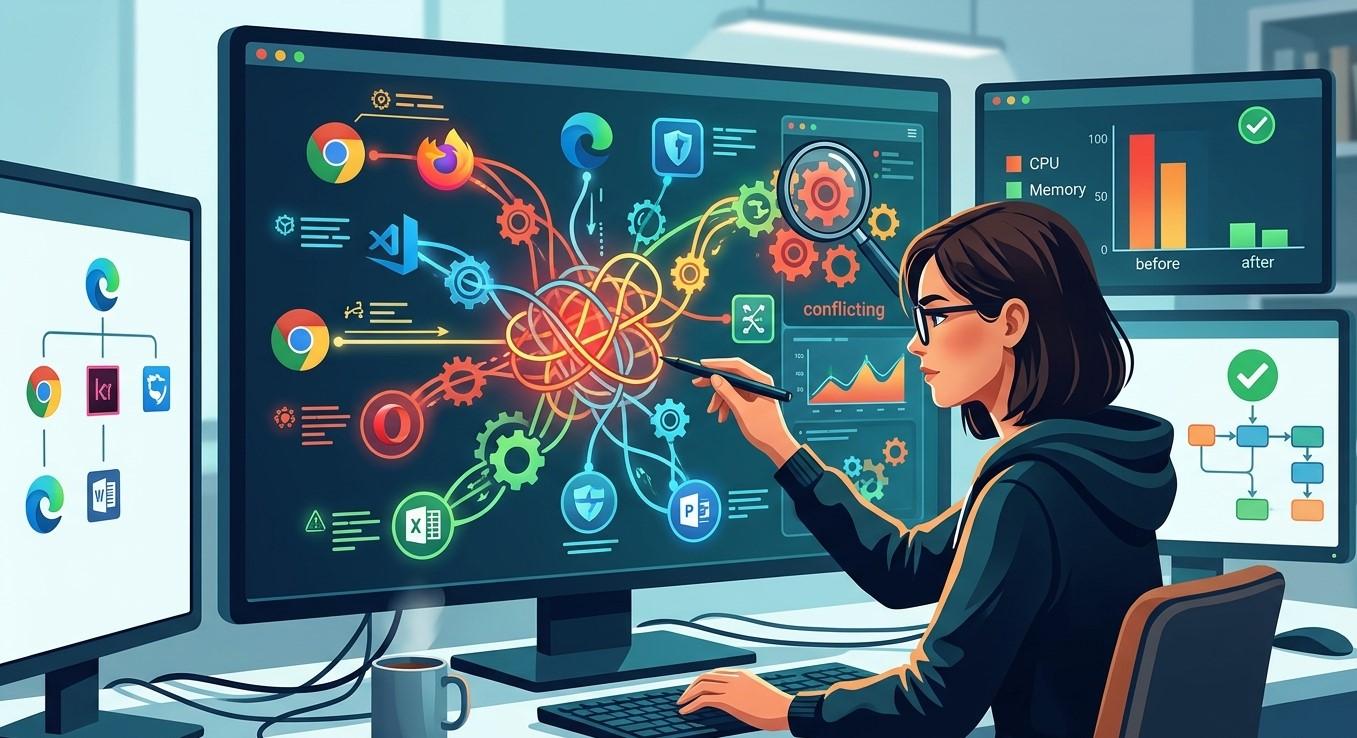

Computer software conflicts can cause frustrating problems, including slow performance, application crashes, freezing, and unexpected error messages. These issues often occur when programs interfere with one another, use incompatible settings, or compete for system resources. Understanding how to identify and resolve these problems can help keep your device running smoothly. If troubleshooting becomes difficult, professional computer repair Albany services can help diagnose persistent software issues. Choosing the best computer repair in Albany can also help you find reliable technical assistance, while on-site computer repair Albany services offer convenient support at your home or workplace.
This guide explains common software conflicts, their warning signs, and practical ways to resolve them.
Table of Contents
-
What Are Computer Software Conflicts?
-
Common Signs of Software Conflicts
-
Common Causes of Software Conflicts
-
How to Identify and Resolve Software Conflicts
-
When to Seek Professional Computer Repair
-
Frequently Asked Questions
1. What Are Computer Software Conflicts?
Software conflicts happen when two or more applications, drivers, or system processes interfere with each other's operations. For example, two security programs may attempt to monitor the same activity, or an outdated application may not work correctly with a newer operating system.
These conflicts can affect computer stability, reduce performance, and prevent certain programs from working properly.
2. Common Signs of Software Conflicts
Recognizing the warning signs early can help you identify problems before they become more serious.
Common symptoms include:
-
Applications crashing or closing unexpectedly.
-
Frequent freezing or system slowdowns.
-
Error messages when opening programs.
-
Programs failing to install or update.
-
Unexpected restarts or blue screen errors.
-
Audio, printer, or other device functions stopping after software installation.
-
Unusually high CPU or memory usage.
If these problems begin after installing a new application or update, a software conflict may be responsible.
3. Common Causes of Software Conflicts
Incompatible Applications
Some programs may not support your operating system version or may interfere with other installed applications. Installing outdated software can increase the possibility of compatibility issues.
Outdated Device Drivers
Drivers allow your operating system to communicate with hardware. Incompatible or outdated drivers can cause conflicts that affect graphics, audio, networking, and connected devices.
Multiple Security Programs
Running multiple antivirus or security applications with overlapping real-time protection features can create performance problems and interfere with system operations.
Incomplete Software Updates
Interrupted installations or incomplete updates may leave applications with missing or corrupted files, causing errors and unexpected behavior.
Limited System Resources
Running too many demanding applications simultaneously can exhaust available memory or processing power. This may make programs unstable or unresponsive.
4. How to Identify and Resolve Software Conflicts
Try these troubleshooting methods to identify the source of the problem.
Restart Your Computer
Restarting your computer can clear temporary system issues and close processes that may be interfering with applications.
Uninstall Recently Added Programs
If a problem started after installing new software, uninstalling that application may help. Open Windows Settings, navigate to Apps, and remove the program you suspect is causing the conflict.
Update Applications and Drivers
Check for updates from official software developers and your computer manufacturer's support website. Updated versions may include compatibility improvements and bug fixes.
Use Task Manager
Press Ctrl + Shift + Esc to open Task Manager. Review CPU, memory, and disk usage to identify applications consuming excessive resources. Close only programs you recognize and do not need.
Perform a Clean Boot
A Windows clean boot starts the system with a minimal set of startup programs and services. This can help determine whether a background application or service is causing the conflict. Disable startup items carefully and restore normal settings after testing.
Check System Files
Windows includes the System File Checker utility, which can scan for and repair certain corrupted system files. Open Command Prompt as an administrator and run:
sfc /scannow
Wait for the scan to finish and follow any repair instructions provided.
5. When to Seek Professional Computer Repair
If software conflicts continue despite troubleshooting, the issue may involve deeper operating system errors, corrupted installations, driver problems, or hardware limitations.
A qualified technician can perform detailed diagnostics, identify incompatible programs, repair system files, and recommend suitable software solutions.
Professional computer repair Albany services can help resolve persistent computer problems. If visiting a repair location is inconvenient, on-site computer repair Albany may provide a practical way to receive technical assistance at home or work.
Before major repairs or operating system changes, make sure important files are backed up.
6. Frequently Asked Questions
Q1. What is the most common cause of software conflicts?
Incompatible applications, outdated drivers, incomplete updates, and overlapping security programs are common causes.
Q2. Can software conflicts make a computer run slowly?
Yes. Conflicting applications may consume system resources or interfere with normal processes, resulting in slow performance.
Q3. How can I tell which program is causing a conflict?
Check when the issue started, review recently installed applications, and use Task Manager or a clean boot to isolate the possible cause.
Q4. Should I uninstall every application that causes an error?
No. Identify the suspected application first. Avoid removing essential system software or drivers without understanding their purpose.
Q5. Can software conflicts damage computer hardware?
Software conflicts generally do not directly damage hardware, but they can cause instability, excessive resource usage, and overheating in some situations.
Get Reliable Computer Repair Assistance in Albany
Software conflicts can affect productivity and make everyday computer tasks difficult. Identifying incompatible applications, updating drivers, and maintaining your operating system can help prevent many common issues.
If your computer continues crashing, freezing, or displaying software errors, Computer Repair Albany can help you explore appropriate troubleshooting and repair solutions.
Looking for the best computer repair in Albany? Visit Computer Repair Albany to learn more about available services and get professional assistance keeping your computer reliable and running smoothly.


