
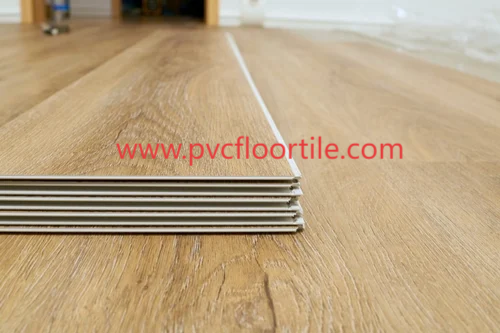

Vinyl Flooring selection requires more than comparing colors, prices, and product photographs. For importers, wholesalers, distributors, and construction project buyers, understanding product construction and factory capabilities is essential before placing an order. Different applications have different requirements for surface protection, structural stability, installation methods, and maintenance. A clear evaluation process helps buyers identify suitable specifications, manage purchasing costs, and establish reliable cooperation with production partners.
Does the Product Structure Match the Intended Application?
The internal structure affects how a floor responds to daily use, furniture loads, temperature changes, and installation conditions. Buyers should begin by identifying the product category and understanding its construction.
Common options include SPC, WPC, LVT, and flexible PVC products. Each type has different characteristics in terms of rigidity, thickness, flexibility, and installation requirements.
For example, rigid-core products may suit projects that require a firm plank structure, while flexible formats can be considered for applications where a thinner material or adhesive installation is specified. Buyers should not select a product based on its category name alone.
Instead, request a technical specification sheet covering the core composition, total thickness, backing structure, dimensions, and recommended applications. These details make it easier to compare quotations from different factories.
How Should Buyers Evaluate the Wear Layer?
The wear layer is an important part of the surface construction. It helps protect the decorative layer from daily friction, dirt, and routine contact. Its thickness should be considered alongside the coating type and intended application.
Residential bedrooms, rental properties, offices, retail spaces, and public areas may have different traffic conditions. Buyers should therefore communicate the expected usage before requesting a quotation.
Useful questions include:
What wear layer thicknesses are available?
Which surface coating options can be selected?
Are product specifications available for each model?
What testing information can the factory provide?
Does the proposed specification match the intended traffic level?
A thicker protective layer does not automatically mean that every performance requirement is covered. Buyers should also examine the surface finish, maintenance instructions, and available test documentation.
Are the Dimensions and Technical Specifications Consistent?
Product dimensions influence installation planning, transportation, storage, and project calculations. Importers should check plank or tile length, width, total thickness, edge treatment, and dimensional tolerances.
For large projects, even small differences between production batches may affect installation appearance. Buyers can request samples from the actual product range and compare them with the technical documents.
It is also useful to confirm whether the factory can maintain consistent dimensions across repeat orders. For distributors managing regular inventory, stable specifications make product planning and customer communication easier.
Before approving a purchase, record the agreed dimensions, construction details, color reference, and packaging information in the order documentation.
What Surface Designs Are Suitable for Your Market?
Appearance plays an important role in customer purchasing decisions. Wood grain, stone patterns, concrete effects, and different color combinations can serve different interior design preferences.
Buyers should consider the target market rather than selecting designs based only on personal taste. For example, residential renovation customers may prefer natural wood-inspired patterns, while commercial projects may require neutral colors that coordinate with office or retail interiors.
Surface texture and gloss level also deserve attention. A printed pattern should be evaluated under different lighting conditions, while embossing can influence the visual and tactile appearance.
Requesting physical samples allows buyers to compare colors, textures, edge details, and pattern variation before confirming a bulk order.
Can the Factory Provide Reliable Quality Management?
Quality management should cover the entire production process, from incoming materials to finished product inspection. Buyers can ask how raw materials are checked, how production parameters are monitored, and how finished goods are evaluated.
Important inspection points may include:
Surface appearance and color consistency.
Product dimensions and thickness.
Edge condition and structural integrity.
Packaging quality and carton labeling.
Batch identification and inspection records.
Buyers should also clarify how production defects are recorded and handled. For international orders, written inspection requirements help both parties understand the agreed product condition before shipment.
At pvcfloortile, communication about product specifications, samples, and order requirements can help overseas customers prepare their purchasing plans with greater clarity.
Are Installation Requirements and Maintenance Instructions Clear?
A suitable product must also match the conditions at the installation site. Buyers should check whether the selected model uses a click-lock, glue-down, or another approved installation method.
Subfloor preparation is an important consideration. Surface flatness, moisture conditions, cleanliness, and temperature can affect installation results. Even a product with appropriate technical specifications may encounter problems if the installation environment does not meet the product instructions.
Importers should request installation guides and maintenance documents for their selected models. These materials can support local distributors, contractors, and end customers after delivery.
Can the Factory Support Long-Term Purchasing Requirements?
Beyond product specifications, buyers should evaluate production capacity, minimum order quantities, customization options, sample arrangements, lead times, and export packaging.
For private-label projects, it is useful to confirm whether customized colors, product dimensions, carton printing, and branding arrangements are available. Buyers should also discuss how repeat orders will follow the approved sample and agreed specifications.A clear quotation should identify product models, quantities, technical details, packaging requirements, payment terms, and estimated production schedules. This information helps purchasing teams compare suppliers and prepare realistic delivery plans.When evaluating a potential production partner, buyers should consider both the product itself and the factory's ability to coordinate each stage of an order. For additional product information, available designs, and purchasing options, visit pvcfloortile at https://www.pvcfloortile.com/product/ to review its product range and discuss specifications for upcoming projects.


