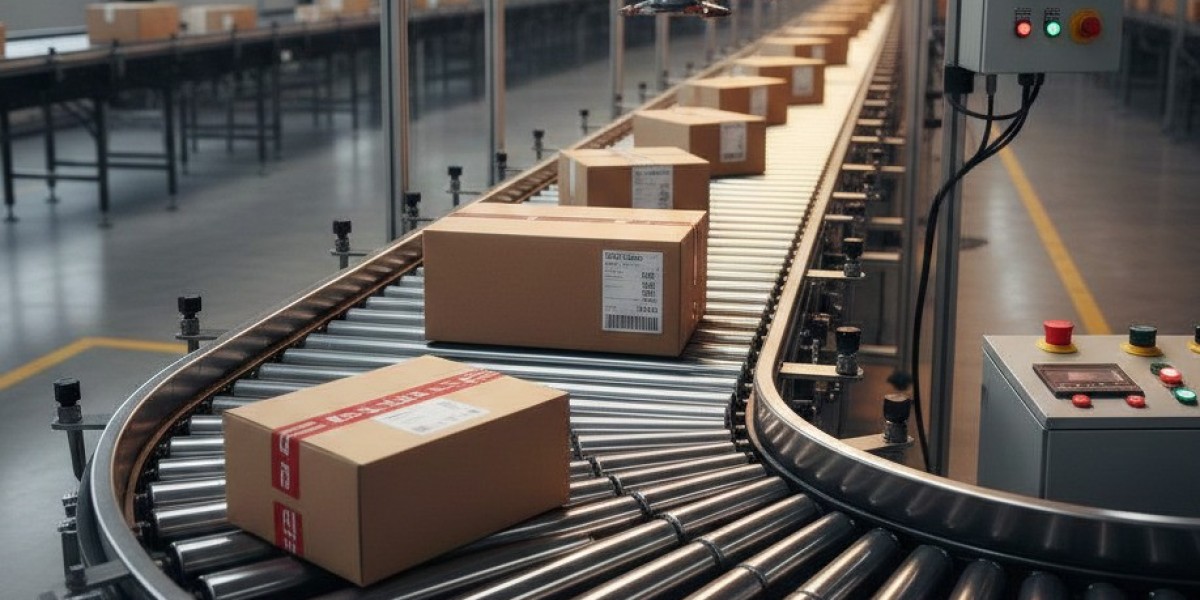

Belts play a critical role in the smooth and efficient operation of industrial machinery. An Industrial Belt, whether utilized in manufacturing, mining, agriculture, automotive, or material handling industries, is vital for conveying power and preserving productivity. However, even the best belts can wear out prematurely if not properly maintained.
Regular maintenance not only extends the belt's life, but also protects associated equipment, decreases downtime, and lowers repair costs. Businesses can increase performance and operational efficiency by implementing a few effective maintenance practices.
Why Industrial Belt Maintenance Is Important
An Industrial Belt is constantly subjected to stress, heat, friction, and fluctuating loads. Over time, these variables can wear and tear, leading in decreased efficiency or unforeseen failures. Poorly maintained belts can also damage motors, pulleys, bearings, and other machine components.
Proper maintenance has various benefits, including:
Longer equipment life.
Reduced maintenance costs.
Increased productivity.
Reduced chance of unexpected breakdowns.
Enhanced workplace safety.
Improved energy efficiency.
Preventive care is always more cost-effective than emergency repairs.
Perform Regular Visual Inspections
Routine inspections are one of the simplest and most effective ways to maintain an Industrial Belt. Operators should inspect belts routinely for evident indicators of corrosion and wear.
Look for:
Cracks or ragged edges.
Surface glazing.
Uneven wear patterns.
Missing belt portions.
Excessive stretching.
Oil or grease pollution.
Early discovery of these issues allows maintenance crews to resolve problems before they lead to significant breakdowns.
Maintain Proper Belt Tension
Correct belt tension is necessary for efficient power transfer. A belt that is too loose may slip, whereas excessive tension can put undue strain on shafts, bearings and motors.
Signs of incorrect tension include:
Squealing sounds.
Reduced machine performance.
Excessive vibration.
Increased heat generation.
Using the manufacturer's recommended tension parameters promotes optimal performance and extends the life of both the Industrial Belt and the equipment it supports.
Keep the belts and equipment clean
Dust, dirt, and chemical pollutants can have a substantial impact on belt performance. Dirt accumulation increases friction and accelerates wear, whereas oil and grease can damage belt materials with time.
Effective cleaning procedures include:
Regularly remove accumulated debris.
Spills should be cleaned up immediately.
Keeping the surrounding work spaces organized.
When possible, avoid exposure to hazardous chemicals.
A clean working environment increases machine efficiency and eliminates needless stress on the belt.
Ensure proper pulley alignment
Misaligned pulleys are among the leading causes of premature belt failure. Even minor misalignments might result in unequal tension, leading the Industrial Belt to wear faster and perform inefficiently.
Symptoms of pulley misalignment are:
Uneven belt wear.
Excessive vibration.
Increased noise.
Belts are frequently replaced.
Regular alignment inspections help to ensure smooth functioning and save needless pressure on the system.
Avoid overloading machinery
Every belt system is designed to withstand certain load levels. Overloading equipment puts too much pressure on the Industrial Belt, increasing the danger of stretching, sliding, and premature failure.
To prevent overload:
Follow the manufacturer's load guidelines.
Distribute the loads evenly.
Avoid rapid shock loads.
Regularly monitor the operating conditions.
Maintaining optimal load levels increases machine reliability and component life.
Replace worn components promptly
Belts do not operate independently. Pulleys, bearings, rollers, and tensioners all work together to provide smooth operation. If any of these components are destroyed, it will have a detrimental influence on the Industrial Belt.
Regularly examine and replace:
Worn pulleys.
Damaged bearings.
Tensioners are not working properly.
Misaligned shafts.
Loose fasteners.
Replacing tiny components early can help to avoid larger and more expensive equipment breakdowns.
Follow a preventive maintenance schedule
Waiting until a belt fails might cause significant downtime and productivity losses. A preventive maintenance program identifies