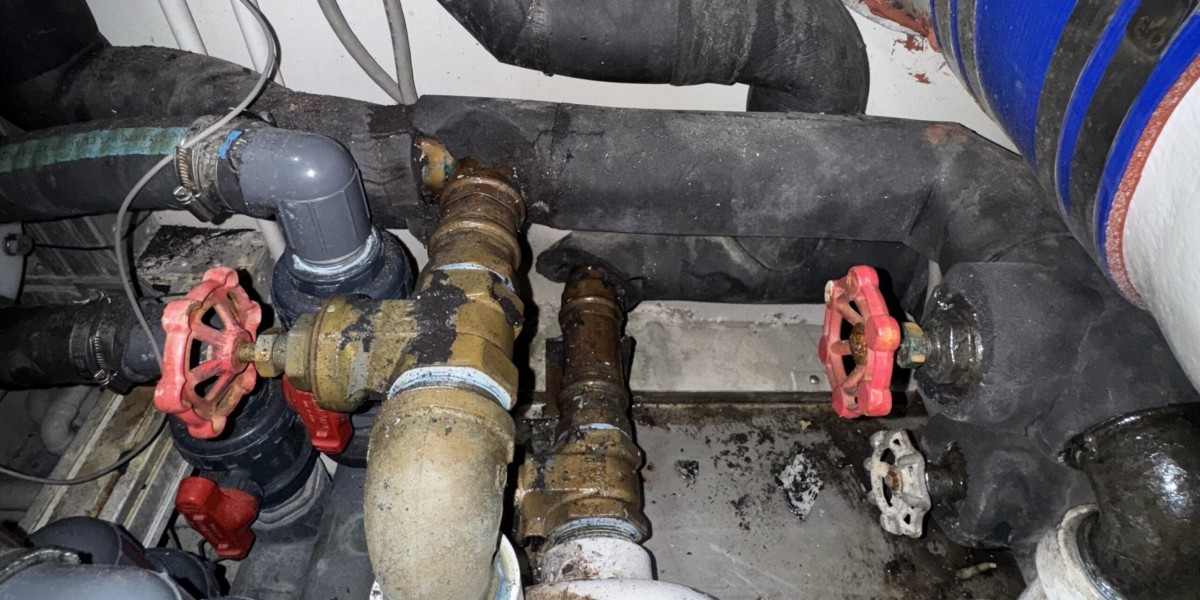

Understanding the Difference Between Marine Soundproofing and Marine Insulation
Marine environments create a unique combination of challenges involving vibration, temperature fluctuations, and mechanical disturbance. Marine soundproofing focuses on reducing unwanted acoustic transmission, while Marine Noise Insulation is designed to control sound movement and improve interior quietness through specialized materials. Although these terms are often used interchangeably, they represent different approaches within vessel construction. A boat owner seeking a refined onboard atmosphere needs to understand how each method functions. Marine soundproofing addresses disruptive noises from engines, generators, and water movement, whereas insulation often manages heat, condensation, and broader environmental conditions affecting the vessel.
The Purpose and Function of Marine Soundproofing
Marine soundproofing is an acoustic enhancement technique created to minimize intrusive sounds produced by machinery, propulsion systems, and operational activities. Boats naturally generate vibrations through engines, exhaust components, pumps, and structural movement. These vibrations travel through hull materials and create uncomfortable sound levels inside cabins and living spaces.
Effective Marine soundproofing uses advanced barriers, damping compounds, acoustic panels, and vibration-resistant layers to interrupt sound pathways. Instead of simply absorbing noise, these systems reduce the energy transferred through structural components. This approach is particularly valuable for luxury yachts, commercial vessels, fishing boats, and recreational crafts where onboard comfort is a priority.
How Acoustic Materials Improve Vessel Performance
The materials selected for acoustic treatment influence the overall efficiency of a noise-control system. Dense barriers can block airborne sound, while flexible layers help reduce vibration transmission. Composite solutions often combine multiple properties to create a balanced acoustic environment.
Marine Noise Insulation takes a broader approach by incorporating sound-control materials that help limit both airborne and structural noise. These solutions are frequently installed around engine compartments, machinery spaces, walls, and flooring areas where sound leakage is most noticeable.
Common Applications in Modern Vessels
Modern marine construction increasingly integrates acoustic solutions during the design phase rather than adding them after completion. Engine rooms, generator sections, and crew areas often receive specialized treatments because these locations produce significant operational disturbances.
Cabin partitions may also include layered materials to create peaceful sleeping areas. Properly designed systems reduce fatigue, improve communication, and create a more enjoyable experience during extended journeys.
What Makes Marine Insulation Different?
Marine insulation serves a wider environmental purpose than pure acoustic treatment. Its primary responsibility is controlling temperature transfer, preventing moisture-related issues, and protecting interior spaces from extreme marine conditions. Vessels encounter intense sunlight, cold water exposure, humidity, and constant temperature variations.
Insulation materials can include fiberglass composites, foam products, reflective barriers, and specialized thermal layers. These materials help maintain stable interior temperatures while reducing energy demands from heating and cooling equipment.
Thermal Protection and Moisture Management
Unlike dedicated noise-control solutions, insulation systems are designed to create a protective boundary between internal and external environments. A properly insulated vessel maintains comfortable conditions while preventing condensation buildup that can damage structural components.
Marine Noise Insulation combines acoustic and protective qualities in many applications, especially when manufacturers require materials that handle both sound reduction and environmental resistance. This combination allows vessel designers to address multiple challenges without excessive material installation.
Comparing Marine Soundproofing and Marine Insulation Approaches
The main distinction between these two systems is their primary objective. Marine soundproofing targets unwanted sound transmission, while insulation focuses on temperature regulation, moisture control, and environmental protection. However, both technologies often overlap because certain materials can provide multiple benefits.
A vessel requiring quieter accommodation areas may prioritize acoustic barriers and vibration damping. A boat operating in extreme climates may require stronger thermal protection. Many advanced marine projects use integrated solutions where sound-control and insulation layers work together.
Material Selection Considerations
Choosing the correct materials depends on vessel type, operational requirements, and installation location. Lightweight boats may require efficient materials that do not add excessive weight. Larger yachts may allow more comprehensive systems featuring multiple acoustic and thermal layers.
Marine soundproofing materials should be evaluated according to density, vibration resistance, durability, and resistance to moisture. Marine insulation materials should be examined for thermal performance, fire resistance, and long-term stability in challenging environments.
Installation Factors That Influence Results
Proper installation is essential for achieving effective results. Even premium materials can perform poorly when gaps, weak connections, or incorrect placement allow sound or temperature transfer. Professional installation considers structural pathways, equipment locations, and the specific behavior of the vessel.
For example, engine compartments require careful treatment because machinery produces both vibration and airborne noise. A combination of damping layers and protective insulation can create a more controlled environment. Similarly, cabin areas benefit from carefully positioned materials that prevent disturbances from reaching sleeping and relaxation spaces.
The Importance of Balanced Marine Design
A successful vessel design considers comfort, efficiency, and durability together. Excessive focus on one element may create limitations elsewhere. Heavy acoustic materials could affect weight distribution, while inadequate insulation may increase energy consumption.
Marine engineers often evaluate the entire vessel environment before selecting solutions. This detailed assessment ensures that noise management, thermal stability, and structural protection complement one another.
Future Trends in Marine Acoustic and Insulation Technology
Marine industries continue to develop innovative materials that provide improved performance with reduced weight. Advanced composites, recycled fibers, and multifunctional barriers are becoming more common in vessel manufacturing.
Future Marine Noise Insulation systems are expected to deliver stronger acoustic control while supporting sustainability goals. Manufacturers are exploring materials that combine sound absorption, thermal regulation, and environmental resistance in compact designs.
As technology advances, marine owners can expect more efficient solutions that improve onboard experiences without compromising vessel performance. The relationship between acoustic control and environmental protection will continue shaping modern marine engineering practices.
Final Thoughts on Choosing the Right Solution
Selecting between insulation and acoustic treatment depends on the specific needs of the vessel. Temperature concerns, machinery noise, passenger comfort, and operating conditions all influence the ideal approach. A carefully planned system can create a quieter, more comfortable, and more resilient marine environment. Marine soundproofing remains an essential component for vessels where peaceful interiors and reduced operational noise are important priorities.