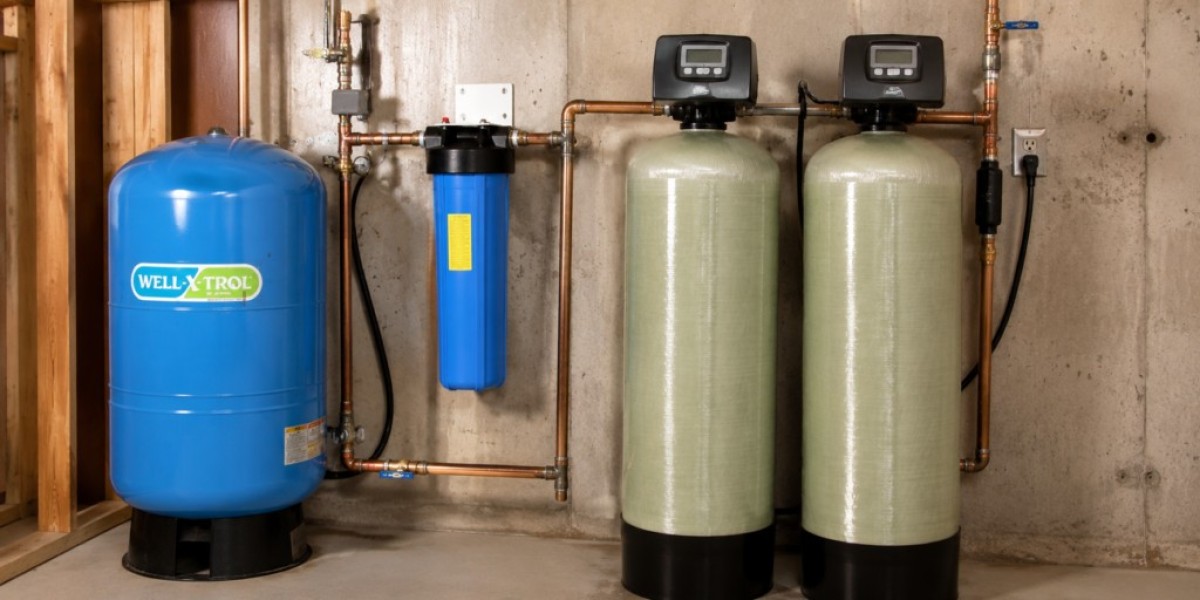

Living in a home supplied by a private well offers incredible independence, but groundwater often carries complex mineral combinations. Beyond typical calcium and magnesium hardness, well water frequently contains dissolved iron and sulfur compounds, which can cause reddish staining, distinct odors, and severe scale accumulation on fixtures. Equipping your home with the best water softener for well water with iron and sulfur allows you to effectively neutralize these ground minerals, protecting your plumbing infrastructure and delivering fresh, crystal-clear water to every faucet in your house.
Modern well water conditioning technology seamlessly combines multi-stage filtration with traditional ion-exchange softening. Understanding how these comprehensive systems operate ensures your home stays clean, comfortable, and completely protected against stubborn mineral buildup.
Understanding Well Water Hardness, Iron, and Sulfur
Well water originates deep underground, filtering naturally through layers of soil, limestone, shale, and mineral beds. As water travels through these subterranean formations, it dissolves various soluble elements that enter your domestic water supply.
Hardness Minerals
Hard water contains elevated concentrations of dissolved calcium and magnesium. When heated or left to evaporate on surfaces, these minerals form dense chalky deposits known as scale. Scale restricts water flow inside pipes, coats heating elements in water heaters, and reduces the effectiveness of household soaps.
Dissolved Iron
Iron in well water generally presents itself as clear-water (ferrous) iron. While water coming straight out of the tap appears completely clear, exposure to air causes the iron to oxidize into rust particles. This results in bright orange or reddish-brown staining on porcelain sinks, bathtubs, and laundry.
Hydrogen Sulfide Gas
Sulfur in well water typically manifests as hydrogen sulfide gas, created by naturally occurring sulfur bacteria underground or geological decay. It gives water a distinct odor and can accelerate tarnishing on silverware and copper plumbing fixtures. Multi-stage conditioning systems neutralize this gas alongside standard mineral treatment.
How Advanced Well Water Conditioning Systems Function
Specialized well water treatment units utilize enhanced multi-stage technology designed to tackle heavy mineral hardness, clear-water iron, and sulfur compounds simultaneously.
┌──────────────────────────────┐ │ WELL WATER TREATMENT │ └──────────────┬───────────────┘ │ ┌───────────────────────────┼───────────────────────────┐ ▼ ▼ ▼┌───────────┐ ┌───────────┐ ┌───────────┐│ Oxidation │ │ Fine Mesh │ │ Automatic ││ & Media │ │ Resin Bed │ │ Backwash │└───────────┘ └───────────┘ └───────────┘Air Injection and Catalytic Filtration
To address iron and sulfur effectively, advanced systems often incorporate air injection oxidation (AIO) or specialized catalytic media. As water enters the system, it passes through a pocket of air or catalytic material that instantly oxidizes dissolved iron and sulfur gas into solid, filterable particles.
Fine-Mesh Ion-Exchange Resin
Following oxidation or primary filtration, the water moves through a high-capacity resin bed made of fine-mesh beads. These smaller resin beads pack tightly together, creating an expanded surface area that captures calcium, magnesium, and remaining iron particles before the water exits into your household pipes.
Automatic Backwash and Regeneration
To maintain peak performance, the system performs periodic automated backwashing and regeneration. A concentrated brine flush removes captured hard minerals from the resin, while a high-flow backwash flushes trapped iron particles and sulfur residue safely down the drain line.
Fantastic Benefits of Treated Well Water
Installing a whole-house water treatment system designed for well water transforms daily living across every room in your home.
1. Elimination of Stains and Odors
Say goodbye to stubborn rust rings in toilet bowls, orange streaks on ceramic sinks, and unpleasant sulfur odors. Comprehensive well water conditioning keeps your bathroom porcelain bright, your fixtures sparkling, and your water smelling clean and fresh.
2. Luxurious Bathing and Healthy Skin
Hard well water strips natural moisture from your skin and leaves a soapy film on your hair. Conditioned water lathers effortlessly into rich, creamy foam and rinses away completely, helping your skin maintain its natural hydration while leaving hair soft, silky, and easy to manage.
3. Spotless, Vibrant Laundry
Iron and hard minerals trap dirt and soap inside clothing fibers, causing white fabrics to turn gray or yellow and giving clothes a stiff, rough feel. Softened, iron-free water allows detergents to dissolve completely, lifting dirt effectively and keeping your clothes, bed linens, and towels soft, plush, and colorful.
4. Comprehensive Appliance and Pipe Protection
Scale accumulation and iron deposits severely restrict water flow inside water heaters, dishwashers, and washing machines. Conditioning your well water keeps heating elements completely free from scale, allowing appliances to heat water faster, operate at maximum energy efficiency, and enjoy a much longer service life.
Key Features to Look for in a Well Water System
Selecting the ideal unit requires evaluating specific water quality details and overall household demand to ensure continuous, high-volume performance.
System Capacity and Flow Rates
Calculate your total household water demand based on family size and peak usage hours. Systems for well water typically range from 32,000 to 64,000+ grains capacity, providing ample strength to handle high hardness levels without requiring constant regeneration cycles. High-flow control valves ensure full water pressure across all taps simultaneously.
Specialized Media Integration
Ensure the system features fine-mesh resin and dedicated iron or sulfur filtration media. Fine-mesh resin handles higher parts-per-million (PPM) concentrations of iron compared to standard resin, ensuring long-term system durability.
Intelligent Demand-Initiated Regeneration
Modern electronic control heads monitor your actual daily water consumption in real time using precise digital sensors. Instead of running on a rigid timer, demand-initiated systems trigger regeneration only when the treatment media is depleted, saving both salt and water.
Simple Maintenance Practices for Long-Term Value
Maintaining a well water conditioning system is straightforward and requires minimal effort:
Use High-Purity Salt: Formulated salt pellets with iron-clearing additives help prevent resin fouling during regeneration cycles.
Maintain Salt Levels: Check your brine tank monthly to ensure the salt level stays at least half full for optimal brine creation.
Perform Periodic Resin Cleaning: Adding a specialized liquid resin cleaner to the brine well occasionally helps strip away stubborn mineral deposits, keeping the resin bed operating at peak capacity.
Evaluating your specific water profile makes choosing the right unit straightforward. Selecting a high-capacity water softener for hard well water guarantees continuous protection against scale, iron staining, and sulfur odors for your entire house.
Conclusion
Upgrading your home with an advanced well water softening and filtration system is one of the most rewarding improvements you can make for your property. From eliminating unsightly rust stains and sulfur odors to protecting expensive appliances, enjoying plush laundry, and indulging in spa-like showers, the advantages are immediate and continuous. By choosing a system equipped with fine-mesh resin and demand-initiated regeneration, you establish a reliable foundation for crystal-clear, high-quality soft water throughout your home for years to come.
Frequently Asked Questions (FAQs)
Can a single system treat hardness, iron, and sulfur together?
Yes, modern multi-stage well water treatment systems combine air injection oxidation or specialized media with fine-mesh ion-exchange resin to neutralize sulfur odors, filter iron particles, and remove hardness minerals all in one unit.
What causes the rotten egg smell in well water?
The smell is typically caused by hydrogen sulfide gas, which occurs naturally from underground bacterial action or geological deposits. Specialized air injection or catalytic filtration media effectively oxidizes and removes this gas from the water supply.
How often should I check the salt level in my brine tank?
It is best to check your brine tank once a month. Keeping the salt reservoir at least half full ensures proper brine concentration for every automated regeneration cycle.
Will a well water softener reduce my home's water pressure?
No, properly sized well water softeners with high-flow control valves maintain full municipal-grade water pressure throughout your home, even when multiple showers or appliances are running at the same time.
How long does fine-mesh resin last in a well water system?
With basic routine care—such as using iron-clearing salt pellets or periodic resin cleaner—a high-quality fine-mesh resin bed typically lasts between 10 to 15 years or more.