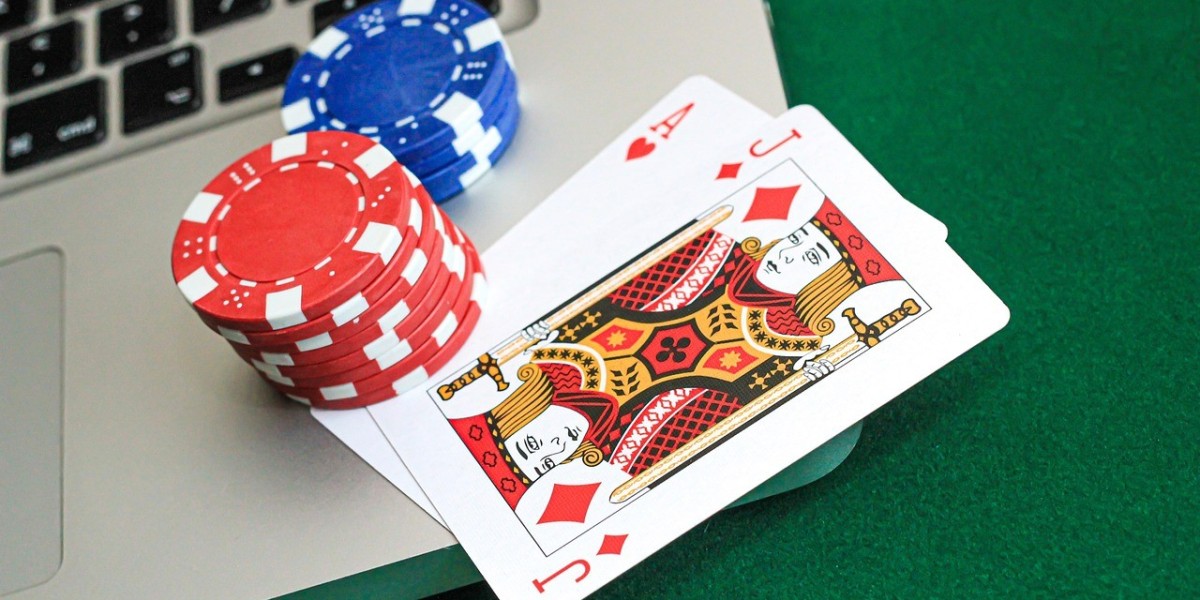

If you wander through the table games section of any major casino, you will eventually discover the slow, methodical game of Pai Gow Poker.
Because the game frequently results in a "push" (a tie), the variance is incredibly low, making it difficult to lose money quickly.
How to Set Your Hands in Pai Gow
After placing a bet, every player at the table, along with the dealer, receives exactly seven cards face down.
If you place a pair of Aces in your two-card hand, but only have King-high in your five-card hand, you automatically forfeit the round.
- The five-card hand is called the "High" hand, the "Back" hand, or the "Big" hand
- The two-card hand is called the "Low" hand, the "Front" hand, or the "Small" hand
- The joker can only be used to complete a straight, a flush, or act as an Ace
Understanding the House Way Strategy
Because players must arrange their own cards, Pai Gow Poker introduces an element of strategic skill not found in baccarat or roulette.
If you are confused about how to split your seven cards, you can simply lay them face up and ask the dealer for help.
Why High Rollers Love the Slow Pace
Furthermore, because approximately 40% of all hands end in a push, your bankroll barely fluctuates over a long session.
It is essentially the ultimate "hangout" game on the casino floor, requiring very little mental energy once you understand the basic mechanics.
| Hand Comparison | Outcome for Player | Financial Result |
|---|---|---|
| Win High, Win Low | Victory | Payout 1:1 (Minus 5% Commission) |
| Win High, Lose Low | Push | Original Bet Returned |
By utilizing the Joker effectively and understanding when to split two pairs, you can enjoy this fascinating game for hours on end.