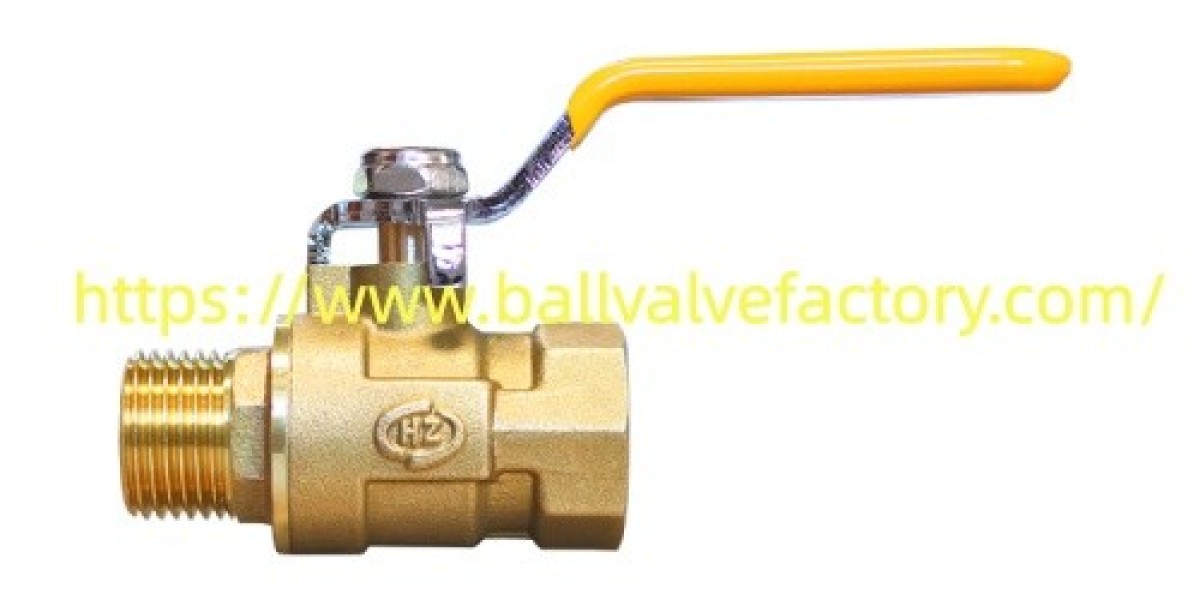

Ball Valve Exporter selection should begin with practical questions rather than price alone. Buyers need to know whether the supplier can match the required material, connection type, dimensions, working conditions, testing requirements, packaging method, and delivery schedule. A clear evaluation at the quotation stage can prevent technical misunderstandings later. For industrial procurement, standards and testing requirements also deserve attention because ISO 5208 addresses pressure boundary integrity and closure tightness for metallic products.
Material selection is one of the first areas worth checking. Brass is commonly used for water, heating, plumbing, and related applications, while different environments may require different material grades or component combinations. Buyers should ask for clear material information for the body, internal components, sealing elements, and connection areas. When the application involves water, gas, heating, or compressed air, the working medium and temperature range should be discussed before the order is confirmed.
Product structure also needs careful review. A buyer should confirm nominal size, connection standard, pressure range, flow path, handle design, installation direction, and available configurations. Threaded connections, compression connections, and other connection methods may suit different piping systems. A product that looks similar to another item may still have different dimensions or installation requirements, so technical drawings and product data sheets are useful during comparison.
Testing procedures provide another important checkpoint. Buyers can ask which tests are performed before shipment and whether inspection records are available. Pressure testing, sealing checks, dimensional inspection, and operating checks may all be relevant depending on the product and application. ISO 5208 provides a framework for pressure and closure testing, while other product standards can add their own requirements. For projects with specific specifications, the requested standard and test criteria should be written clearly into the purchase documentation.
Documentation should receive the same attention as the physical product. Buyers may need material certificates, inspection records, packing lists, commercial invoices, certificates of origin, drawings, or other project documents. Material traceability can also matter when a project requires evidence that pressure carrying components correspond with the specified grade. Clear documentation makes receiving inspection easier and gives both sides a common reference.
Production capability is another useful point of comparison. A manufacturer should be able to explain how incoming materials are handled, how components are machined, how assembly is controlled, and how finished products are inspected. Buyers can also ask about production capacity and customization options when an order involves special dimensions, packaging, branding, or connection requirements.
Packaging and transportation should not be left until the final stage. Products moving through international logistics may experience handling, moisture, vibration, and changes in storage conditions. Suitable protective packaging can help keep surfaces, threads, handles, and connection areas in usable condition. Buyers should confirm carton specifications, pallet arrangements, labeling, quantity per package, and shipment terms before production begins.
Communication is often an overlooked part of supplier evaluation. A responsive supplier should be able to understand drawings, product lists, technical questions, and revisions without creating unnecessary confusion. Clear communication is especially useful when the buyer has several models with different sizes or specifications. Written confirmation of important details gives both parties a stable reference before production starts.
Ballvalvefactory provides product options covering brass products for water, HVAC, gas, and related piping applications, together with customization, production, inspection, and shipment services. Its product range can support buyers reviewing different application requirements and purchasing specifications.
A thoughtful purchasing process does not need to be complicated. Start with the application, confirm the technical requirements, review materials and dimensions, check testing and documentation, then discuss packaging and delivery. Comparing suppliers through these practical points can make procurement clearer and help buyers select products that fit their actual systems.
For buyers reviewing product ranges, specifications, and manufacturing capabilities, the company website provides a convenient place to continue the evaluation: https://www.ballvalvefactory.com/