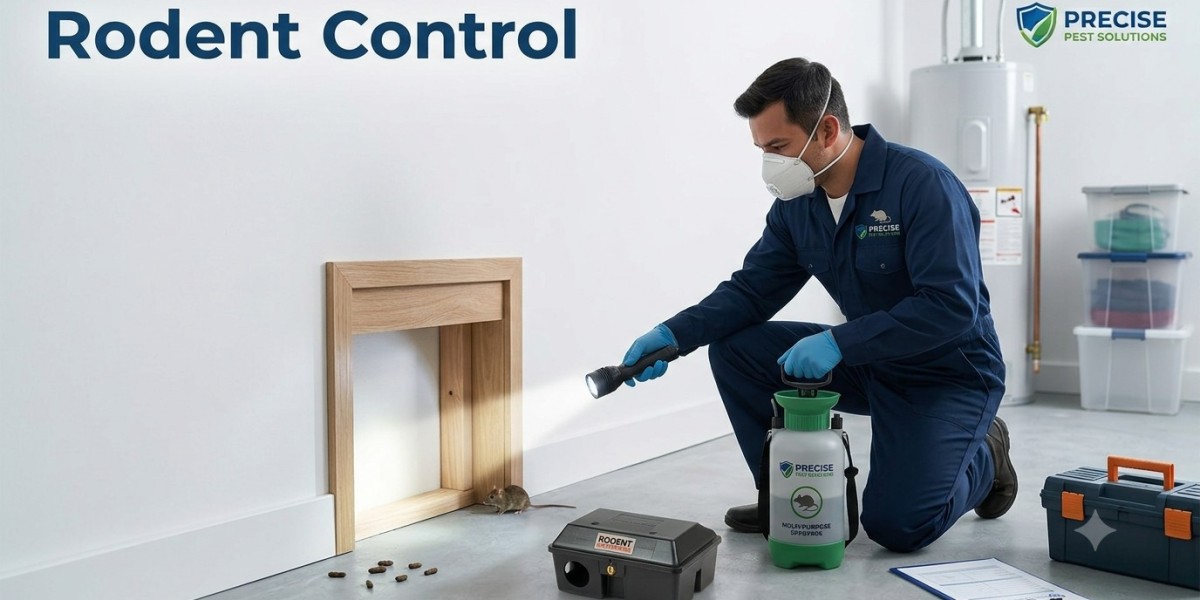

Rodents are among the most common pests affecting homes and businesses. Rats and mice can contaminate food, damage property, and create health concerns if left unchecked. Professional Rodent Control services play an important role in identifying infestations, removing active rodent populations, and preventing future problems. By combining proper sanitation, exclusion methods, monitoring, and targeted treatment strategies, property owners can significantly reduce the risk of rodent activity and maintain a safer environment.
Understanding Rodent Infestations
Rodents are highly adaptable pests that can survive in a wide range of environments. They are attracted to properties that provide food, water, warmth, and shelter. Once rodents find these resources, they can establish nests and multiply quickly.
The most common rodents found around residential and commercial properties include:
House mice
Norway rats
Roof rats
Each species has different habits and nesting preferences. Mice often nest inside walls, attics, and storage areas, while rats may be found in basements, crawl spaces, sewers, roofs, or outdoor burrows.
Early identification of rodent activity is important because a small problem can quickly become a larger infestation.
Why Rodents Enter Homes and Businesses
Rodents are constantly searching for food and shelter. Even small openings in a structure can allow mice and rats to enter.
Common attractants include:
Unsealed food containers
Crumbs and food residue
Garbage and waste
Pet food
Standing water
Cluttered storage areas
Dense vegetation
Structural gaps and cracks
Seasonal changes can also increase rodent activity. During colder months, rodents often move indoors to seek warmth and protection.
Signs of a Rodent Infestation
Recognizing the warning signs early can help prevent extensive damage.
Common signs include:
Rodent droppings
Gnaw marks on wood, plastic, or wires
Scratching noises in walls or ceilings
Grease marks along walls
Shredded nesting materials
Burrows around foundations
Unpleasant odors
Visible rats or mice
Businesses, particularly food-related facilities, should conduct routine inspections to detect these signs before infestations become severe.
The Importance of Rodent Prevention
Prevention is one of the most effective ways to manage rodent problems. Eliminating access to food, water, and shelter can make a property less attractive to rats and mice.
A comprehensive prevention plan should include:
Exclusion
Sanitation
Moisture control
Monitoring
Habitat modification
Combining these strategies can help reduce long-term pest issues.
Seal Entry Points
Rodents can enter through surprisingly small openings. Mice can fit through holes as small as a dime, while rats can squeeze through slightly larger gaps.
Inspect the property for:
Cracks in foundations
Gaps around doors and windows
Utility penetrations
Roof openings
Damaged vents
Holes around pipes
Seal openings using durable materials to prevent rodent access.
Exclusion is one of the most effective long-term rodent prevention techniques.
Proper Food Storage
Food is one of the main reasons rodents enter buildings.
To reduce attraction:
Store food in sealed containers
Clean food preparation areas regularly
Remove crumbs promptly
Keep pet food covered
Avoid leaving food exposed overnight
Businesses should pay special attention to food storage areas, kitchens, and break rooms.
Improve Sanitation
Good sanitation reduces the resources available to rodents.
Important practices include:
Cleaning spills immediately
Emptying garbage regularly
Using tightly sealed waste containers
Removing clutter
Organizing storage areas
Poor sanitation does not always cause rodent infestations, but it can make properties more attractive to pests.
Control Moisture
Rodents need water to survive.
Common moisture sources include:
Leaking pipes
Clogged gutters
Standing water
Condensation
Poor drainage
Repairing leaks and improving drainage can help reduce rodent activity.
Maintain Outdoor Areas
Outdoor conditions often influence indoor infestations.
Property owners should:
Trim vegetation away from buildings
Remove debris piles
Store firewood away from structures
Keep grass maintained
Eliminate outdoor food sources
These steps can reduce nesting opportunities near buildings.
Rodent Monitoring
Monitoring allows property owners to detect activity before infestations become severe.
Routine inspections should focus on:
Basements
Crawl spaces
Attics
Utility rooms
Kitchens
Storage areas
Exterior foundations
Businesses may benefit from scheduled inspections as part of an ongoing pest management program.
Professional Rodent Control
Established infestations often require more than basic prevention measures.
Professional pest management programs typically include:
Inspection
Species identification
Entry point assessment
Treatment planning
Rodent removal
Exclusion recommendations
Follow-up inspections
Professionals focus on addressing the source of the infestation rather than simply removing visible rodents.
Rodent Trapping Strategies
Trapping is a common method for rodent management.
Effective trapping depends on:
Correct trap placement
Understanding rodent behavior
Identifying travel paths
Monitoring activity
Improper trap placement can reduce effectiveness, which is why inspection is an important part of rodent control.
The Role of Integrated Pest Management
Integrated Pest Management (IPM) combines multiple techniques to reduce pest problems while focusing on long-term prevention.
For rodent control, IPM may include:
Inspection
Monitoring
Exclusion
Sanitation
Habitat modification
Targeted treatment
This approach addresses the environmental conditions that support rodent activity.
Residential Rodent Control Strategies
Homeowners can reduce infestations by:
Sealing entry points
Storing food properly
Keeping kitchens clean
Managing moisture
Removing clutter
Inspecting attics and basements
Maintaining outdoor areas
Routine inspections can help identify issues before rodents become established.
Commercial Rodent Control Strategies
Businesses often require more comprehensive prevention plans.
High-risk facilities include:
Restaurants
Warehouses
Grocery stores
Hotels
Food processing facilities
Apartment complexes
Commercial rodent management may involve:
Employee awareness programs
Regular inspections
Sanitation protocols
Waste management
Structural maintenance
Monitoring systems
Protecting business operations often requires ongoing pest prevention.
Health and Property Risks
Rodents can create several concerns:
Food Contamination
Rodents can contaminate food products and storage areas through droppings and urine.
Property Damage
Rodents chew on:
Wood
Plastic
Insulation
Pipes
Electrical wiring
Damaged wiring may increase fire risks.
Structural Damage
Long-term infestations can affect insulation, storage materials, and building components.
Seasonal Rodent Activity
Rodent behavior changes throughout the year.
Fall and Winter
As temperatures drop, rodents seek indoor shelter.
Spring and Summer
Rodents may expand nesting areas and search for additional food sources.
Year-round inspections can help maintain control.
Common Mistakes in Rodent Control
Some common mistakes include:
Ignoring early signs
Focusing only on visible rodents
Leaving food accessible
Failing to seal entry points
Neglecting outdoor maintenance
Effective rodent management requires addressing the root causes of infestations.
When to Contact a Professional
Professional help may be needed if:
Rodents repeatedly return
Multiple rodents are observed
Droppings are widespread
Structural damage is present
Rodent activity occurs in food areas
DIY efforts fail
An inspection can determine the severity of the problem and identify the most appropriate solution.
Long-Term Rodent Prevention
Long-term prevention depends on consistent maintenance.
Property owners should:
Conduct regular inspections
Maintain sanitation
Repair structural gaps
Monitor for activity
Remove food and water sources
Combining prevention with professional Rodent Control services can help reduce recurring infestations and provide more reliable protection.
Conclusion
Rodent infestations can affect homes and businesses by contaminating food, damaging property, and creating ongoing maintenance challenges. Early detection, proper sanitation, moisture control, exclusion, and routine inspections are all important parts of a successful prevention strategy.
Professional Rodent Control services provide a more comprehensive approach by identifying entry points, locating nesting areas, implementing treatment plans, and recommending preventive measures. When combined with Integrated Pest Management practices, these strategies can help property owners maintain cleaner, safer, and more rodent-free environments.