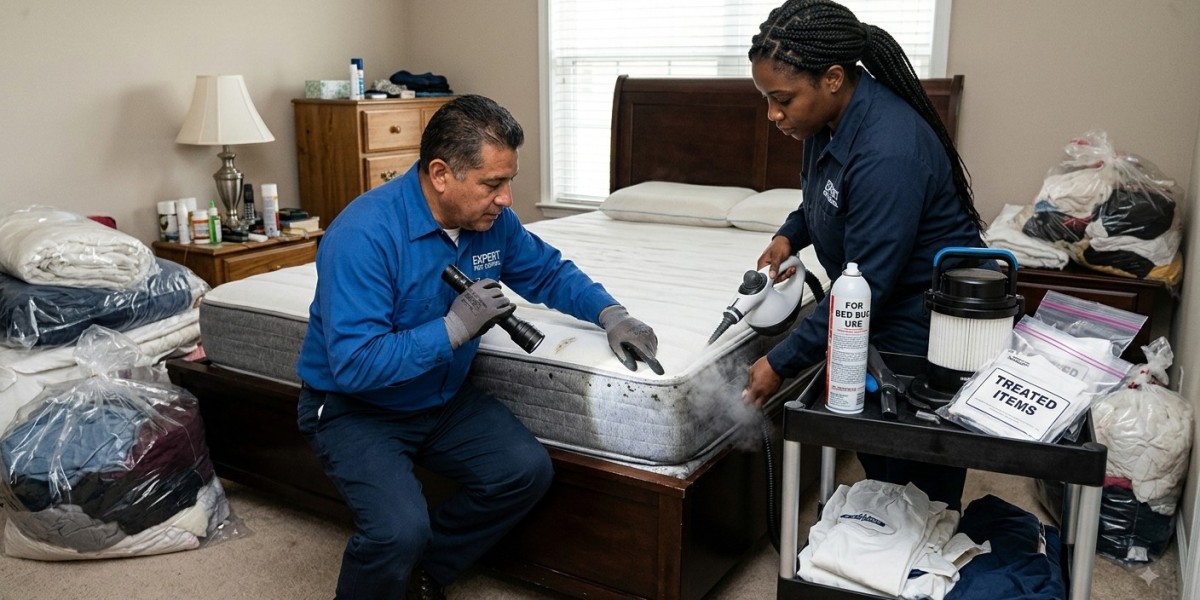

Bed bugs are among the most troublesome household pests. These small, reddish-brown insects feed on human blood and can quickly spread from one room to another. Although bed bugs are not generally known to transmit serious diseases, their bites can cause itching, skin irritation, anxiety, sleeplessness, and considerable discomfort. Because they are excellent at hiding and can survive for long periods without feeding, controlling an infestation requires patience, careful cleaning, and the right treatment approach.
What Are Bed Bugs?
Bed bugs are small, flat, oval-shaped insects that usually hide in cracks, crevices, mattresses, furniture, and other dark areas during the day. They become active primarily at night when people are sleeping. Adult bed bugs are approximately the size of an apple seed, while younger bed bugs, known as nymphs, are much smaller.
BedBug Control do not fly or jump. Instead, they crawl and can travel through luggage, clothing, bedding, furniture, walls, and other objects. A small infestation can therefore become a major problem if it is not detected and treated early.
How to Identify a Bed Bug Infestation
The first step in effective bed bug control is identifying the infestation correctly. Bed bugs are excellent at hiding, so you may not always see the insects themselves.
Some common signs include:
- Small reddish or brown insects around the mattress or bed frame
- Tiny dark spots on mattresses, sheets, or furniture
- Small blood stains on bedding
- Shed skins or eggs near hiding places
- A sweet or musty odor in severe infestations
- Red, itchy bites on exposed areas of the skin
Bed bug bites can look similar to bites caused by other insects, so bites alone are not always enough to confirm an infestation. It is better to inspect the sleeping area and look for physical evidence of bed bugs.
Where Do Bed Bugs Hide?
Bed bugs can hide in many locations. Their flat bodies allow them to enter very small cracks and gaps. The most common hiding places include mattress seams, bed frames, headboards, box springs, furniture joints, carpets, curtains, electrical outlets, and cracks in walls.
They may also hide behind pictures, inside drawers, underneath furniture, and along baseboards. In larger infestations, bed bugs can spread beyond the bedroom into living rooms, offices, and other parts of a property.
Regular inspection is important, especially if someone in the household has recently traveled or purchased second-hand furniture.
Why Bed Bug Control Is Difficult
Getting rid of bed bugs can be challenging because they reproduce quickly and remain hidden during the day. Some eggs can survive treatment, meaning that eliminating visible insects does not always mean the infestation is completely gone.
Bed bugs can also move from one room to another when people move infested clothing, furniture, luggage, or bedding. Using an ineffective treatment may allow the infestation to continue and can make the problem more difficult to manage.
For this reason, successful bed bug control usually requires a combination of methods rather than relying on a single product.
Cleaning and Decluttering
One of the first steps in bed bug control is reducing clutter. Clutter provides additional hiding places and makes inspection and treatment more difficult.
Remove unnecessary items from around the bed and carefully inspect anything that may be carrying bed bugs. Avoid moving potentially infested items from one room to another, as this can spread the infestation.
Vacuuming can help remove bed bugs and eggs from mattresses, floors, carpets, furniture, and cracks. Pay special attention to mattress seams, bed frames, baseboards, and other areas where insects may hide.
After vacuuming, dispose of the vacuum contents carefully according to the manufacturer's instructions and local waste guidelines.
Washing and Heat Treatment
Heat is an important tool for controlling bed bugs. Wash bedding, clothing, and other washable items using the hottest temperature that is appropriate for the fabric. A sufficiently hot dryer cycle can also help kill bed bugs and their eggs.
Items that cannot be washed may sometimes be treated using appropriate heat-based methods. However, homemade heating methods can create fire or property-damage risks, so professional equipment should be considered for specialized treatment.
When dealing with an infestation, keep clean items sealed in bags or containers until the treatment process is complete. This helps prevent treated items from becoming reinfested.
Mattress and Box-Spring Encasements
Specially designed bed bug encasements can be useful as part of an overall control strategy. These covers completely surround mattresses and box springs, preventing bed bugs from entering or escaping.
A high-quality encasement should be designed specifically for bed bug control and should remain securely closed. Do not remove the encasement immediately after installation. Follow the manufacturer's instructions regarding how long it should remain in place.
Encasements also make future inspections easier because there are fewer seams and hiding places to examine.
Chemical Treatments
Insecticides can be part of a professional or carefully planned bed bug control program. However, not every pesticide is effective against bed bugs, and some bed bug populations have developed resistance to certain chemicals.
Always read and follow the product label. Never apply pesticides to mattresses, clothing, skin, or other surfaces unless the product label specifically permits that use.
Using excessive amounts of pesticide does not necessarily make treatment more effective. In fact, improper pesticide use can create health and safety risks.
Professional pest-control technicians can select appropriate treatments and apply them according to safety requirements.
Professional Bed Bug Control
For a significant infestation, professional pest control is often the most reliable option. Experienced pest-control specialists can inspect the property, identify hiding places, determine the severity of the infestation, and create a treatment plan.
Professional treatments may include a combination of inspection, vacuuming, targeted insecticide application, steam, heat treatment, monitoring, and follow-up visits.
A reputable pest-control company should explain the treatment process, preparation requirements, safety precautions, and follow-up procedures before beginning the service.
Because bed bug eggs may survive an initial treatment, follow-up inspections or treatments are sometimes necessary.
Preventing Bed Bug Infestations
Prevention is easier than dealing with an established infestation. When traveling, inspect hotel rooms before unpacking. Check the mattress seams, headboard, bed frame, and nearby furniture for signs of bed bugs.
Keep luggage away from beds and upholstered furniture when possible. After returning home, inspect luggage carefully and wash or heat-dry clothing when appropriate.
Avoid purchasing used mattresses or upholstered furniture unless you can confidently verify that they are free from bed bugs. If you bring second-hand furniture into your home, inspect it carefully before placing it indoors.
Regular cleaning and inspection can also help detect problems at an early stage.
Common Bed Bug Control Mistakes
People often make several mistakes when attempting to eliminate bed bugs.
One common mistake is treating only the mattress. Bed bugs can hide in the bed frame, headboard, furniture, walls, and surrounding areas, so focusing on one location may not solve the problem.
Another mistake is throwing furniture away unnecessarily. Infested furniture can sometimes be treated successfully. If an item must be discarded, it should be handled responsibly so that other people do not accidentally take it home.
Using too much pesticide is another serious mistake. More chemical does not automatically mean better results. Always follow the product label.
Finally, stopping treatment after seeing fewer bugs can allow the infestation to return. Consistent monitoring and follow-up are important.
Bed Bugs and Health
Bed bugs are primarily a nuisance pest. Their bites can cause itching, redness, swelling, and skin irritation. Some people may experience stronger allergic reactions than others.
Constant exposure to bed bugs can also affect sleep and cause significant stress. Scratching bites may lead to secondary skin infections.
If someone develops a severe allergic reaction, signs of infection, or another concerning medical symptom, they should seek advice from a qualified healthcare professional.
How Long Does Bed Bug Control Take?
The time required to eliminate bed bugs depends on several factors, including the size of the infestation, the number of hiding places, the treatment method, and how quickly the problem is discovered.
A small infestation may be easier to control than a widespread infestation. However, even after treatment, continued monitoring is important.
Bed bug control should be viewed as a process rather than a single event. Regular inspections and follow-up treatment can help confirm that the infestation has been eliminated.